

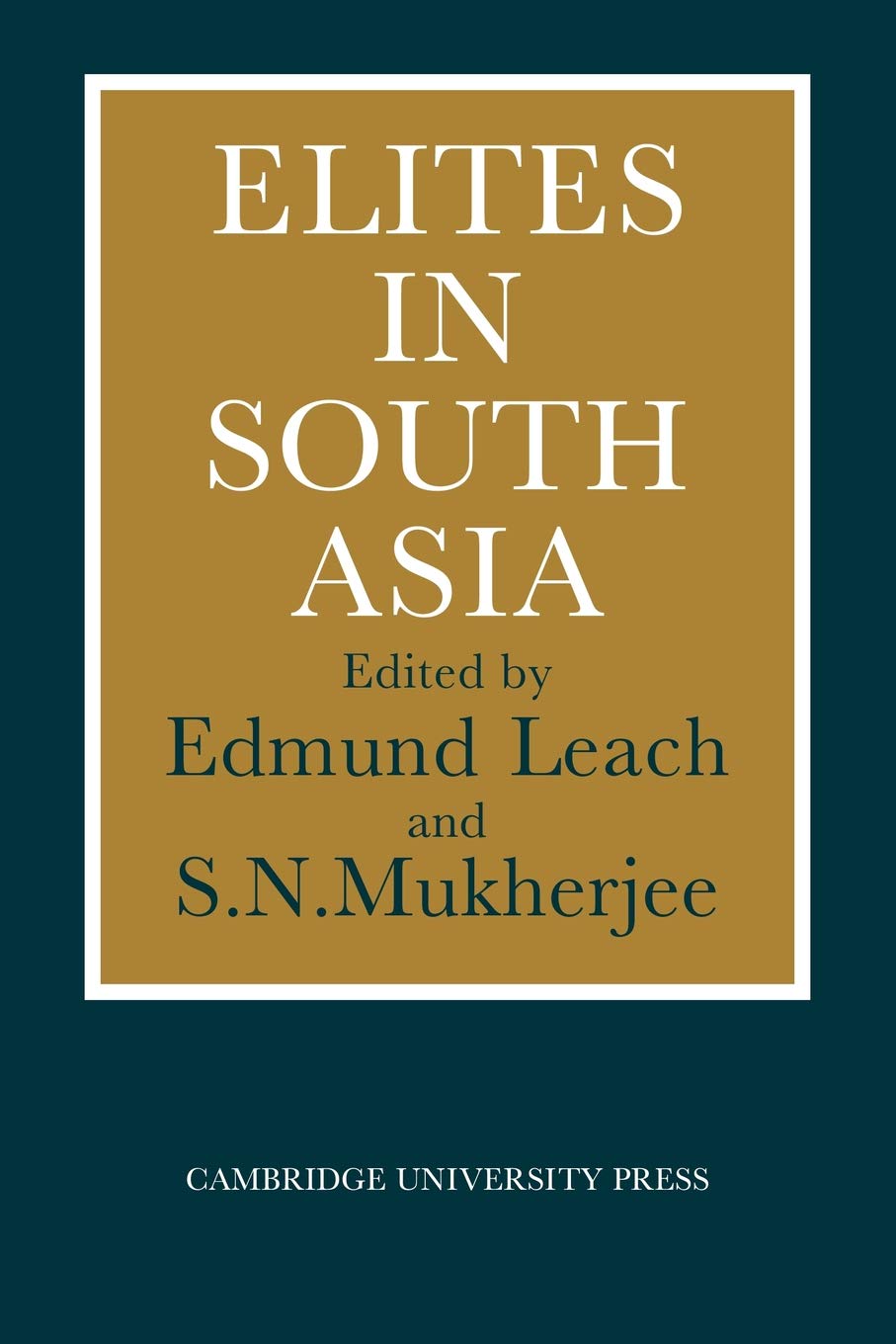
Elites in South Asia - Study of Indian Political Elites
Elites in South Asia - Study of Indian Political Elites
Price subject to change. Tap below for current.
Couldn't load pickup availability
In this review of Elites in South Asia the reviewer finds a focused, academic examination of political and social elites in the Indian subcontinent and their ties to British influence. The book is best suited for readers who want a rigorous, comparative study rather than a casual history, and its single biggest reason to buy is the depth of cross-disciplinary evidence brought to bear on how elites formed, recruited successors and related to colonial institutions. This review outlines what makes the collection valuable for scholars and concerned readers alike.
Key Features
- Comparative scope: The essays place Indian elitism in a broader post-colonial context across Asia, Africa and Latin America, helping readers see shared patterns.
- Interdisciplinary authorship: Contributions from sociologists, economists, anthropologists, political scientists and historians provide varied evidence and perspectives on elites.
- Focus on recruitment: The collection examines how elites attained and maintained positions, which clarifies mechanisms of social reproduction in post-colonial states.
- Historical ties: The chapters interrogate the relationship between Indian elites and the British, offering insight into institutional continuities after independence.
- Evidence-driven: The essays present unfamiliar documentary and ethnographic forms of evidence that challenge simple narratives about power and class.
Who It's For
Scholars and graduate students in political sociology, anthropology and post-colonial studies will find this collection particularly useful as a source of comparative evidence and methodological dialogue. Policy analysts and historians who need grounded accounts of elite formation and continuity across the post-colonial world will also appreciate the book's approach.
Readers seeking a popular narrative or a brief introduction to modern India should look elsewhere; this volume is deliberately academic, with dense argumentation and specialist references rather than a wide-audience overview.
Pros & Cons
Pros
- Interdisciplinary contributions give a rounded, evidence-backed view of elite formation.
- Comparative focus helps readers link Indian developments to broader post-colonial patterns.
- Detailed treatment of recruitment and institutional continuity clarifies long-term political dynamics.
Cons
- The academic tone and depth make it less accessible to casual readers unfamiliar with social science methods.
Specifications
| Title | Elites in South Asia |
| Author / Brand | Edmund Ronald Leach |
| Subject focus | Indian elites and post-colonial political elitism |
| Disciplines included | Sociology, economics, anthropology, political science, history |
| Comparative reach | Asia, Africa and Latin America contexts |
| Evidence type | Documentary, ethnographic and interdisciplinary analyses |
Our Verdict
Elites in South Asia is a valuable, scholarly collection for readers who need a rigorous, comparative account of political elites and colonial continuities. Its interdisciplinary evidence and focused essays make it a good purchase for graduate study and policy research, though casual readers should expect demanding academic prose.
Frequently Asked Questions
Is this book suitable for undergraduate courses?
It can be assigned in upper-level undergraduate courses with supplemental guidance, but the material is primarily aimed at graduate and specialist readers.
Does the book focus only on India?
The primary focus is Indian elites, but essays situate Indian developments within wider post-colonial comparisons across Asia, Africa and Latin America.
What kinds of evidence do the contributors use?
Contributors use interdisciplinary evidence including documentary sources, ethnographic material and political-economic analysis to support their claims.
Editor's Take
Elites in South Asia offers a rigorous, interdisciplinary examination of Indian political elites and their post-colonial continuities, making it a strong choice for scholars and graduate students despite its demanding academic tone.

Recently viewed
Recently viewed products will appear here as customers browse the store.