

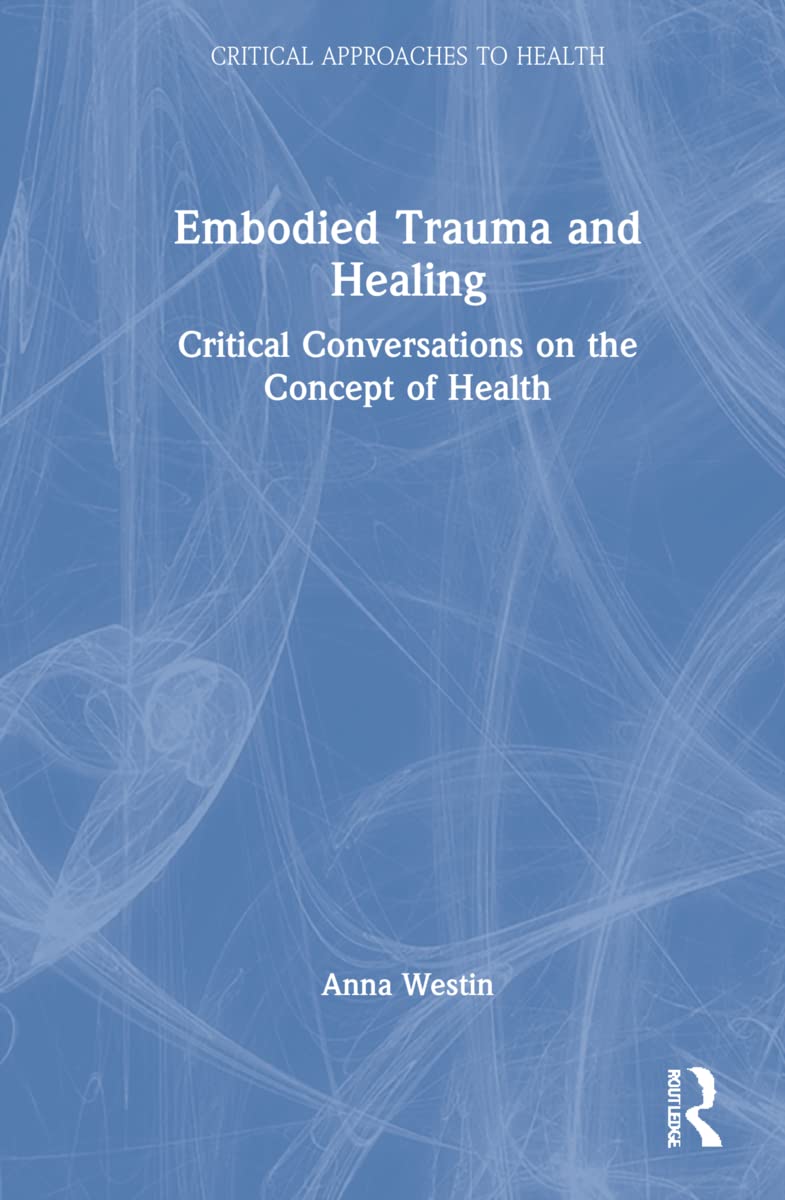
Embodied Trauma and Healing - Phenomenology for Trauma
Embodied Trauma and Healing - Phenomenology for Trauma
Price subject to change. Tap below for current.
Couldn't load pickup availability
In this review of Embodied Trauma and Healing, the author Anna Westin offers a thoughtful bridge between philosophy and clinical understanding, aimed at readers who want a rigorous conceptual framework for trauma that takes the lived body seriously. The bottom line: this book is best for professionals, advanced students and thoughtful clinicians seeking a philosophical lens on trauma, because its primary achievement is to show how phenomenology clarifies the embodied nature of traumatic experience and therapy in ways that standard models often overlook.
Key Features
- Phenomenological framework: Presents a sustained argument that phenomenology supplies tools to understand the body-mind relation relevant to trauma.
- Historical grounding: Traces the body-mind problem from Descartes to twentieth-century thinkers, helping readers situate modern clinical concerns in intellectual history.
- Major thinkers engaged: Draws on Paul Ricoeur, Maurice Merleau-Ponty and Emmanuel Levinas to build a relational account of embodiment that informs therapeutic perspectives.
- Embodied trauma focus: Proposes ways phenomenological methods can address both physical and mental aspects of trauma, making the theory clinically relevant.
- Relational subject: Emphasizes the interpersonal and relational dimensions of trauma and healing rather than treating trauma as purely individual pathology.
Who It's For
This book is best for clinicians, psychotherapists, and graduate students in psychology, philosophy or related fields who want a deeper conceptual vocabulary for understanding how trauma is lived in the body. Readers who appreciate close readings of philosophical texts and conceptual clarity will find embodied approaches particularly rewarding.
It is less suited for lay readers seeking step-by-step self-help tools or a how-to therapy manual; the work is conceptual rather than a pragmatic workbook, so those wanting immediate therapeutic techniques should look elsewhere.
Pros & Cons
Pros
- Strong philosophical synthesis that makes the body-mind problem accessible to trauma discussions.
- Engages major phenomenologists to support an embodied and relational perspective on healing.
- Useful for clinicians seeking conceptual frameworks to inform practice rather than prescriptive protocols.
Cons
- The book is conceptual and dense in places, so it may feel academic rather than practical for casual readers.
- Because it focuses on theory and interpretation, it does not provide detailed clinical techniques or treatment plans.
Specifications
| Title | Embodied Trauma and Healing (Critical Approaches to Health) |
| Author | Anna Westin |
| Approach | Phenomenological analysis of embodied consciousness |
| Main influences | Paul Ricoeur, Maurice Merleau-Ponty, Emmanuel Levinas |
| Focus | Embodied and relational account of trauma and healing |
| Intended audience | Clinicians, graduate students, scholars |
Our Verdict
Embodied Trauma and Healing is a valuable, conceptually rich contribution for anyone who wants to link philosophical reflection with clinical thinking about trauma. Its emphasis on embodied consciousness and relational subjectivity makes it a worthwhile investment for professionals and advanced students, though readers seeking concrete therapy steps may find it limited in direct clinical instruction.
Frequently Asked Questions
Is this book practical for therapists?
It offers conceptual tools that can inform therapeutic perspective but does not function as a step-by-step therapy manual.
Do I need prior philosophy knowledge?
Familiarity with phenomenology helps, but the author explains key ideas and major thinkers used to build the argument.
Who will benefit most?
Graduate students, clinicians and scholars interested in the intersection of philosophy and trauma studies will gain the most.
Editor's Take
Embodied Trauma and Healing offers a conceptually rigorous phenomenological framework that links embodied consciousness to trauma and healing, making it valuable for clinicians and advanced students though not a practical therapy manual.

Recently viewed
Recently viewed products will appear here as customers browse the store.