

Emotion Regulation for Young People with Eating Disorders - Practical
Emotion Regulation for Young People with Eating Disorders - Practical
Price subject to change. Tap below for current.
Couldn't load pickup availability
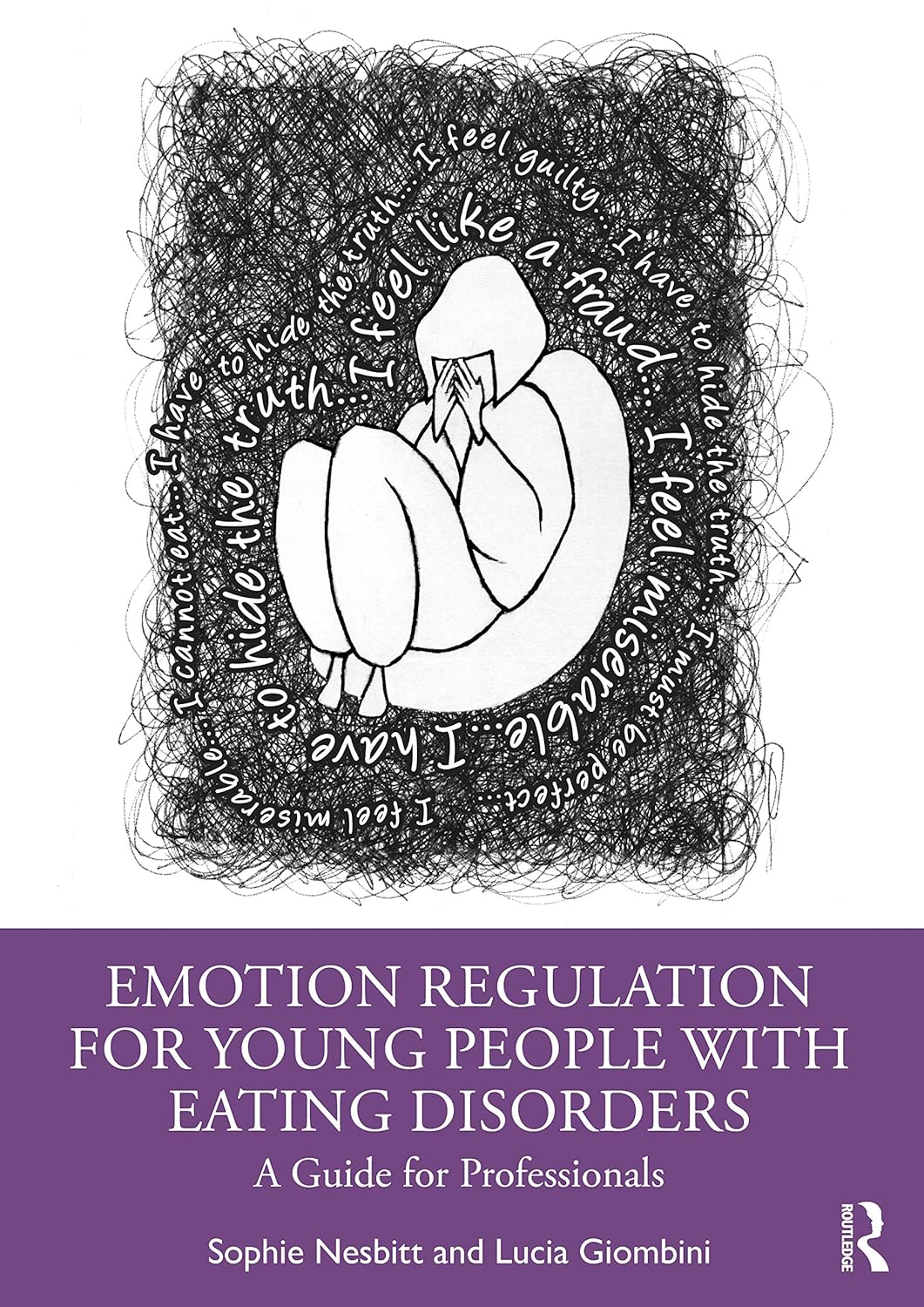
In this review of Emotion Regulation for Young People with Eating Disorders the bottom line is clear: this is a practical, clinically oriented guide for professionals who work directly with adolescents and young adults affected by eating disorders. The book's single biggest reason to buy is its applied focus on helping young people understand how emotions contribute to disordered eating and offering tasks that can be used in therapy to build emotional awareness and regulation. It reads as a field-ready resource rather than a purely theoretical text, making it useful in everyday clinical work.
Key Features
- Applied tasks: Exercises and tasks translate psychological theory into practical activities that help young people explore their emotional experience in therapy.
- Theoretical integration: The book brings together ideas from half a century of psychological work to explain how emotion regulation relates to eating disorders.
- Therapeutic relationship focus: Guidance on building effective relationships with young clients supports clinicians in creating a safe environment for emotional work.
- Cross-spectrum relevance: The approach is designed to be used across the full spectrum of eating disorders rather than being limited to a single diagnosis.
- Professional orientation: Written for practitioners, the material assumes a clinical audience and prioritizes strategies that can be incorporated into existing treatment plans.
Who It's For
This book is best suited to mental health professionals, clinicians, and therapists who treat adolescents and young adults with eating disorders and who want concrete ways to address emotion regulation within therapy. It will be especially helpful for clinicians seeking structured tasks to teach emotional awareness and coping strategies during sessions.
It is less appropriate for people seeking a self-help manual for lay readers or for those who want a purely academic text heavy on research citations; the emphasis here is on applied practice and supporting the therapeutic relationship rather than exhaustive literature review.
Pros & Cons
Pros
- Practical tasks that clinicians can implement in sessions to improve clients' emotional understanding and coping.
- A clear emphasis on the therapeutic relationship that supports engagement with young people.
- Applicable across a range of eating disorder presentations, making it versatile for clinical practice.
Cons
- As a professionally oriented guide, it may not be accessible to non-clinical readers seeking self-help material.
Specifications
| Title | Emotion Regulation for Young People with Eating Disorders |
| Authors | Sophie Nesbitt, Lucia Giombini |
| Audience | Professionals and clinicians working with young people |
| Focus | Role of emotion regulation in eating disorders |
| Approach | Applied tasks and integration of psychological theories |
| Scope | Across the spectrum of eating disorders |
Our Verdict
Emotion Regulation for Young People with Eating Disorders is a concise, practice-focused resource that adds usable tasks and a relational emphasis to clinicians' toolkits. Professionals who want to integrate emotion regulation work into therapy will find good value here, as the book translates theoretical concepts into interventions that can support engagement and change for young clients.
Frequently Asked Questions
Is this book suitable for parents?
While parents may gain insight, the text is written for clinicians and focuses on tasks designed for therapeutic settings.
Can the tasks be used with all eating disorder diagnoses?
Yes, the authors present an approach intended for use across the spectrum of eating disorders rather than a single diagnosis.
Does the book explain the underlying theories?
Yes, it integrates psychological ideas from multiple sources but emphasizes applying those concepts through practical tasks.
Editor's Take
A practice-focused guide for clinicians, offering applied tasks and a relational approach to help young people understand and regulate emotions across the spectrum of eating disorders.

Recently viewed
Recently viewed products will appear here as customers browse the store.