

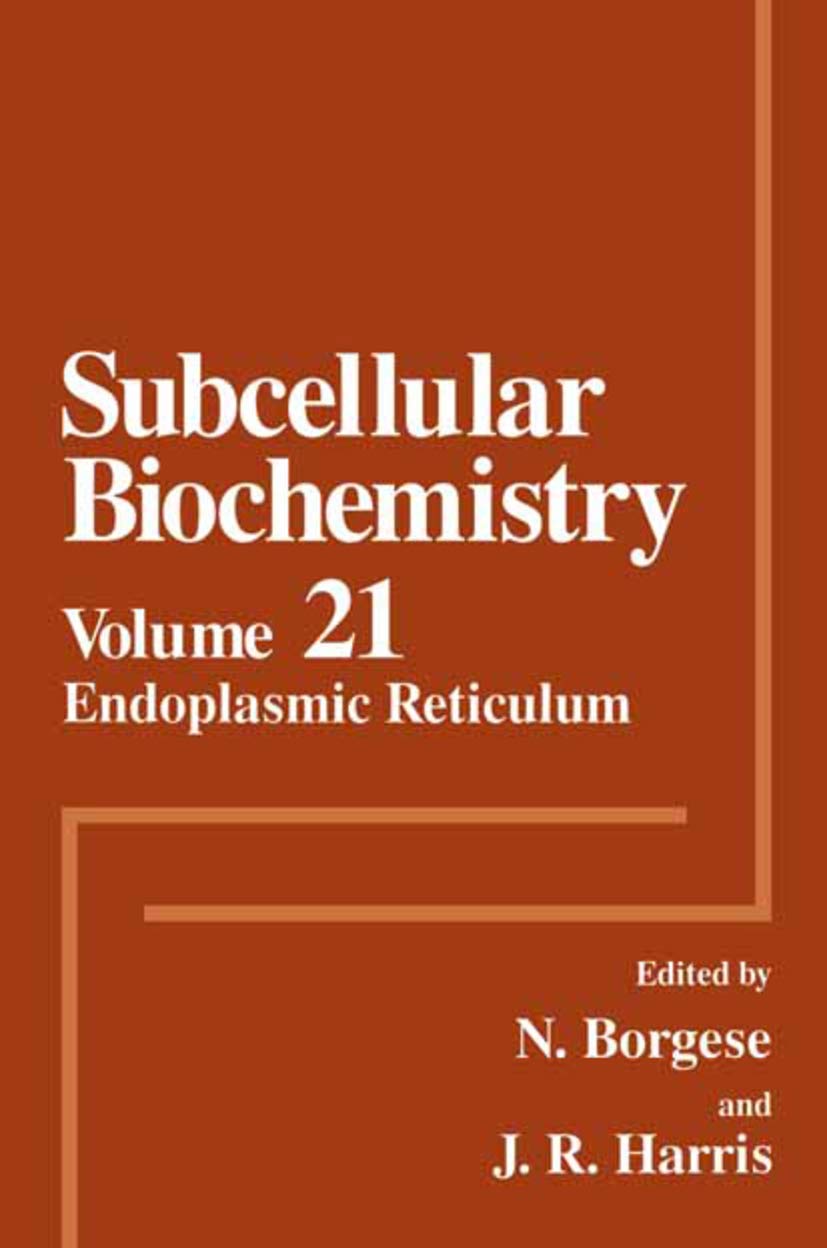
Endoplasmic Reticulum (Subcellular Biochemistry) - Focused Academic
Endoplasmic Reticulum (Subcellular Biochemistry) - Focused Academic
Price subject to change. Tap below for current.
Couldn't load pickup availability
In this review the Endoplasmic Reticulum (Subcellular Biochemistry) is evaluated as a specialized academic volume best suited to researchers, graduate students, and advanced undergraduates who need an integrated perspective on this organelle. The book's single biggest reason to buy is its breadth: it brings together contributions that link endoplasmic reticulum structure to diverse functions such as protein translocation, lipid metabolism, and antigen presentation, making it a useful reference when assembling literature across cell biology, enzymology, and membrane biochemistry.
Key Features
- Integrated coverage: Chapters synthesize findings from cell biology, enzymology, immunology and membrane biochemistry to present a coherent view of endoplasmic reticulum function.
- Functional focus: Detailed discussion of protein translocation and export clarifies how the organelle processes nascent polypeptides and supports secretory pathways.
- Lipid metabolism treatment: Sections on lipid processing explain the ER's central role in membrane biogenesis and cellular lipid homeostasis.
- Immune relevance: Coverage of antigen presentation highlights how ER processes intersect with immunology and cellular defense mechanisms.
- Cross-disciplinary appeal: Material drawn from multiple fields makes the volume useful for researchers bridging signal transduction and membrane studies.
Who It's For
The book is ideal for researchers and advanced students in cell biology or molecular biology who need a thorough, literature-based account of ER roles in protein handling and lipid chemistry. It is particularly useful for those preparing reviews, grant proposals, or designing experiments that depend on understanding ER-associated pathways.
It is less suitable for casual readers or early undergraduates seeking a textbook-style introduction with exercises; readers who need basic cell biology primers or step-by-step lab protocols should look for an introductory textbook or laboratory manual instead.
Pros & Cons
Pros
- Comprehensive, cross-disciplinary chapters provide context across protein translocation and lipid metabolism.
- Useful treatment of antigen presentation connects membrane biochemistry with immunology.
- Well suited as a reference for graduate-level research and literature synthesis.
Cons
- Not a beginner textbook; readers new to cell biology may find the material dense and assume prior knowledge.
Specifications
| Title | Endoplasmic Reticulum (Subcellular Biochemistry) |
| Editors/Authors | N. Borgese, J. Robin Harris |
| Subject focus | Protein translocation, lipid metabolism, antigen presentation |
| Approach | Integrated review across cell biology, enzymology, membrane biochemistry |
| Intended audience | Researchers, graduate students, advanced undergraduates |
| Use case | Reference and literature synthesis in cell and molecular biology |
Our Verdict
For readers who need an integrated, literature-driven account of endoplasmic reticulum function, this volume is a focused and valuable resource that ties together protein handling, lipid metabolism, and immune-relevant processes. It represents good value for researchers and advanced students seeking depth rather than introductory pedagogy.
Frequently Asked Questions
Does this volume cover experimental protocols?
No, the book emphasizes conceptual and literature-based review rather than step-by-step laboratory protocols.
Is prior knowledge required to follow the chapters?
Yes, a background in cell biology or molecular biology will help readers follow detailed discussions on ER functions.
Who edited the volume?
The work is edited by N. Borgese and J. Robin Harris and gathers contributions across related disciplines.
Editor's Take
This integrated volume is a focused, literature-driven resource on endoplasmic reticulum function, valuable to researchers and graduate students who need depth on protein translocation, lipid metabolism, and antigen presentation.

Recently viewed
Recently viewed products will appear here as customers browse the store.