Engineering Project Risk Management: Tools and Procedures
Engineering Project Risk Management: Tools and Procedures
Price subject to change. Tap below for current.
Couldn't load pickup availability
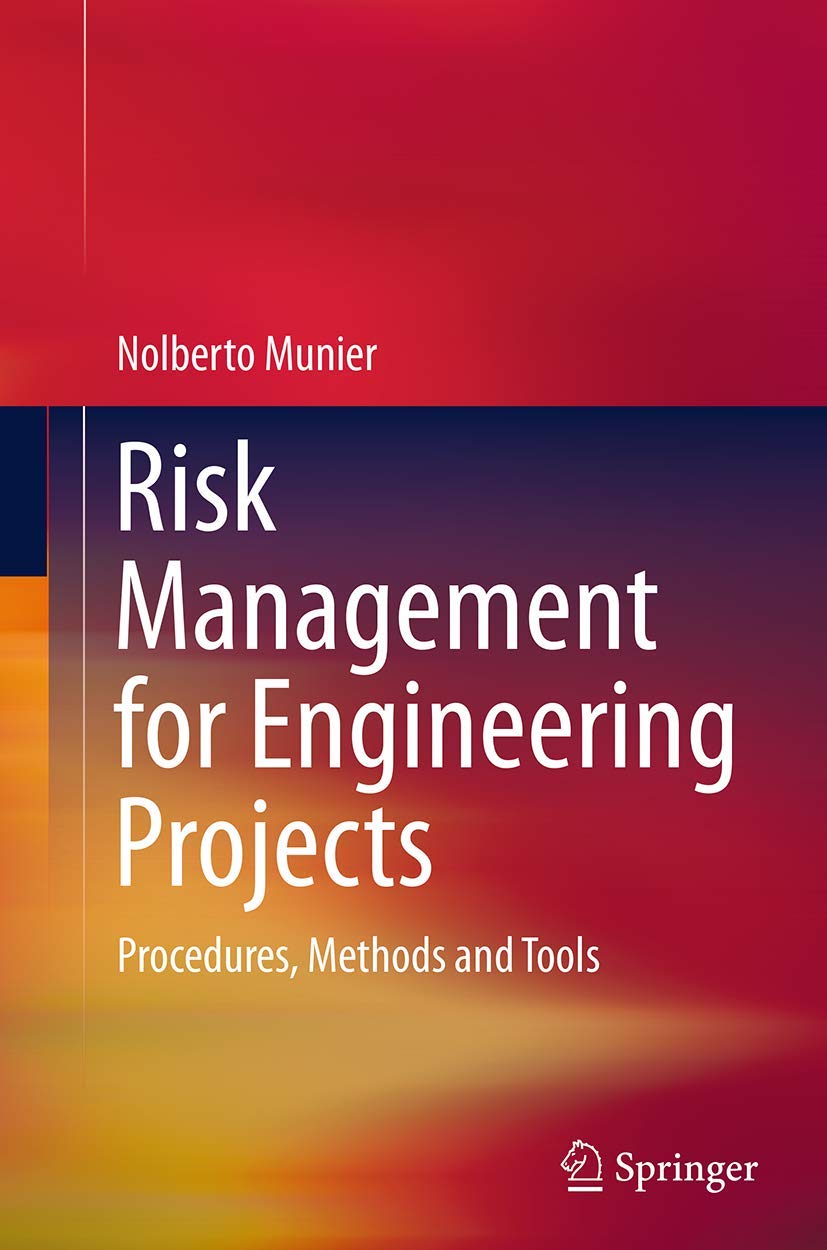
In the realm of engineering, effective risk management is crucial for project success. The book titled Risk Management for Engineering Projects provides a comprehensive guide to understanding and implementing essential procedures, methods, and tools that can significantly enhance project outcomes.
This insightful resource delves into various risk assessment techniques that are vital for identifying potential hazards and uncertainties in engineering projects. By employing these techniques, project managers can proactively address risks before they escalate into more significant issues.
One of the standout features of this book is its focus on practical applications. The author, Nolberto Munier, emphasizes real-world scenarios where risk management tools can be applied effectively. This approach ensures that readers can relate the theoretical concepts to their own projects, making the learning experience more relevant and impactful.
Moreover, the book covers a wide range of risk management strategies tailored specifically for engineering disciplines. Whether you are involved in construction, manufacturing, or any other engineering field, the strategies outlined in this book are designed to be adaptable and applicable.
Readers will appreciate the structured format of the content, which guides them through the entire risk management process. From initial risk identification to the development of mitigation plans, each chapter builds upon the last, creating a cohesive understanding of how to manage risks effectively.
Additionally, the inclusion of case studies throughout the book provides valuable insights into how successful projects have navigated risks. These real-life examples serve as a source of inspiration and practical knowledge for engineers looking to enhance their project management skills.
Furthermore, the author discusses the importance of fostering a risk-aware culture within engineering teams. By promoting open communication and collaboration, teams can better identify and address risks collectively, leading to improved project performance.
In conclusion, Risk Management for Engineering Projects is an essential read for anyone involved in engineering project management. Its thorough exploration of procedures, methods, and tools makes it a valuable addition to any professional's library. Whether you are a seasoned project manager or new to the field, this book will equip you with the knowledge and skills necessary to navigate the complexities of risk management in engineering.
Share