

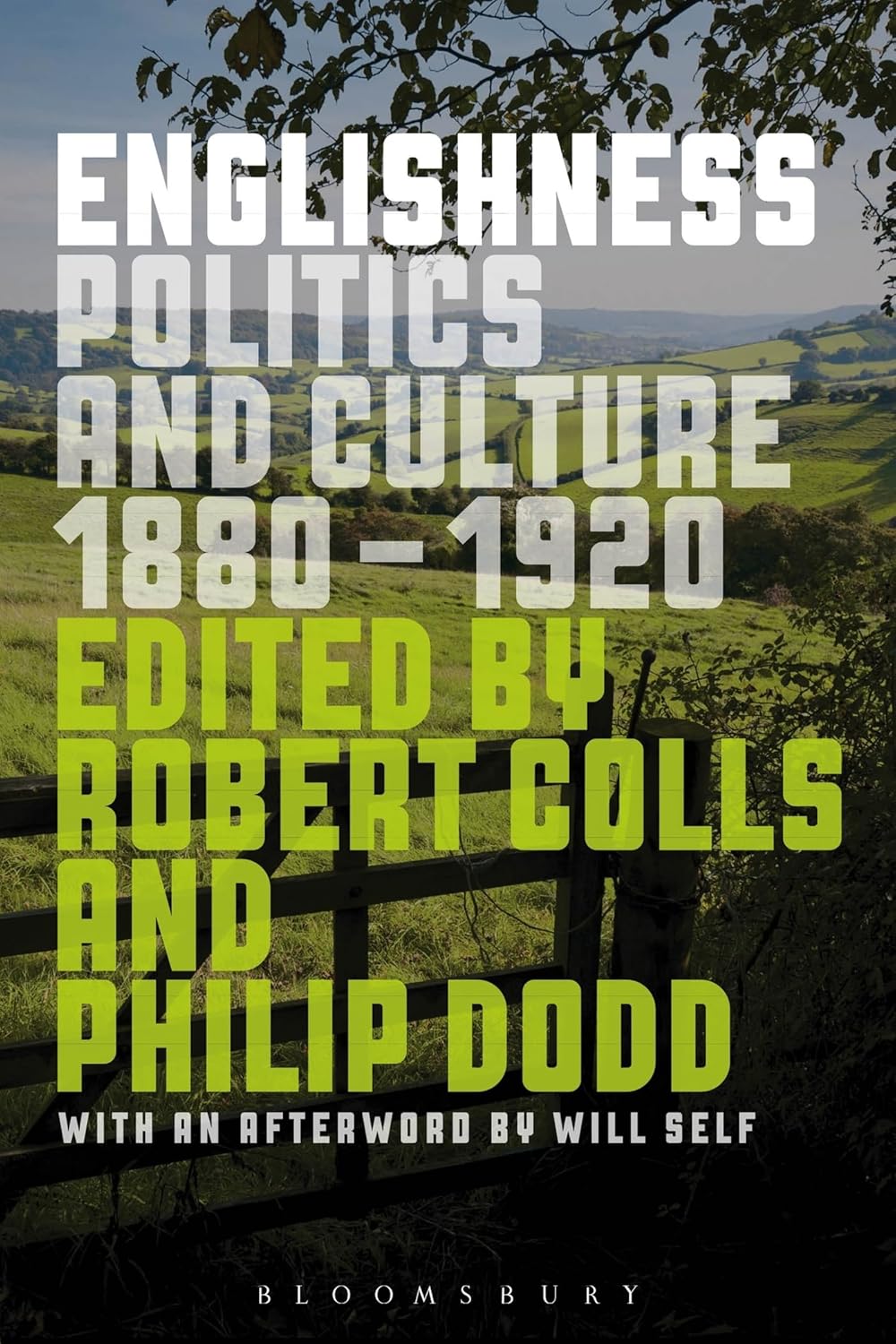
Englishness: Politics and Culture 1880-1920 - Classic Study
Englishness: Politics and Culture 1880-1920 - Classic Study
Price subject to change. Tap below for current.
Couldn't load pickup availability
In this review of Englishness: Politics and Culture 1880-1920 the bottom line is clear: this is an essential, thought-provoking study for students and readers of modern British history who want a sustained analysis of how national identity was shaped in a crucial period. The updated edition brings a new introduction by the original editors and an afterword linking the work to contemporary debates, making it useful both as a historical survey and as a springboard for further research into politics, sociology and literature.
Key Features
- Updated edition: Includes a new introduction by Robert Colls and Philip Dodd that places the essays in the context of research since 1987, helping readers reassess earlier interpretations.
- Historical focus: Concentrates on the period 1880-1920, offering a focused window on the social and political transformations that shaped modern ideas of Englishness.
- Interdisciplinary reach: Connects politics, culture and literature so students in different fields can draw links across disciplines.
- Afterword by Will Self: A contemporary perspective that relates the collection to current debates and invites readers to consider modern resonances.
- Established influence: Regarded since first publication as a major work on national identity, it remains a touchstone for secondary reading lists and graduate study.
Who It's For
This collection is best suited to university students and researchers studying modern British history, politics, sociology or literature who need a historically grounded set of essays on national identity between 1880 and 1920. The essays reward readers willing to engage with historical argument and cultural analysis rather than those seeking a concise textbook overview.
Readers who want a brief, popular history or a heavily illustrated coffee-table book should look elsewhere; this is a text-driven academic work aimed at readers comfortable with scholarly prose and primary-source interpretation.
Pros & Cons
Pros
- Scholarly depth: sustained essays provide careful, historically grounded arguments about national identity.
- Updated commentary: a new introduction re-contextualizes the collection for modern readers and research.
- Cross-disciplinary value: useful to students and lecturers across history, politics and literature courses.
Cons
- Academic tone: the book is not designed for casual readers seeking a light, narrative history.
Specifications
| Title | Englishness: Politics and Culture 1880-1920 |
| Editors/Authors | Robert Colls, Philip Dodd |
| Edition | Updated edition with new introduction and afterword |
| Afterword | Will Self |
| Subject focus | English national identity, 1880-1920 |
| Academic use | Suitable for courses in history, politics, sociology and literature |
Our Verdict
Englishness remains a valuable academic collection for students and scholars who want a measured, interdisciplinary examination of how English national identity was constructed around the turn of the century. The updated introduction and contemporary afterword increase its relevance, making it good value as both a historical source and a provocation for further study.
Frequently Asked Questions
Does this edition include new material?
Yes. It contains a new introduction by Robert Colls and Philip Dodd and an afterword by Will Self that link the original essays to later research and contemporary debate.
Is the book suitable for undergraduate courses?
Yes. It is commonly used on courses in modern British history, politics, sociology and literature, though instructors may pair it with broader overviews for undergraduates.
Is this a readable popular history?
No. The collection is scholarly in tone and best suited to readers prepared for academic analysis rather than casual narrative reading.
Editor's Take
Englishness is a valuable, scholarly collection for students and scholars examining how English national identity formed between 1880 and 1920; the updated introduction and afterword make it relevant and good value for academic study.

Recently viewed
Recently viewed products will appear here as customers browse the store.