Regular price
$118.31 USD
Price subject to change. Tap below for current.
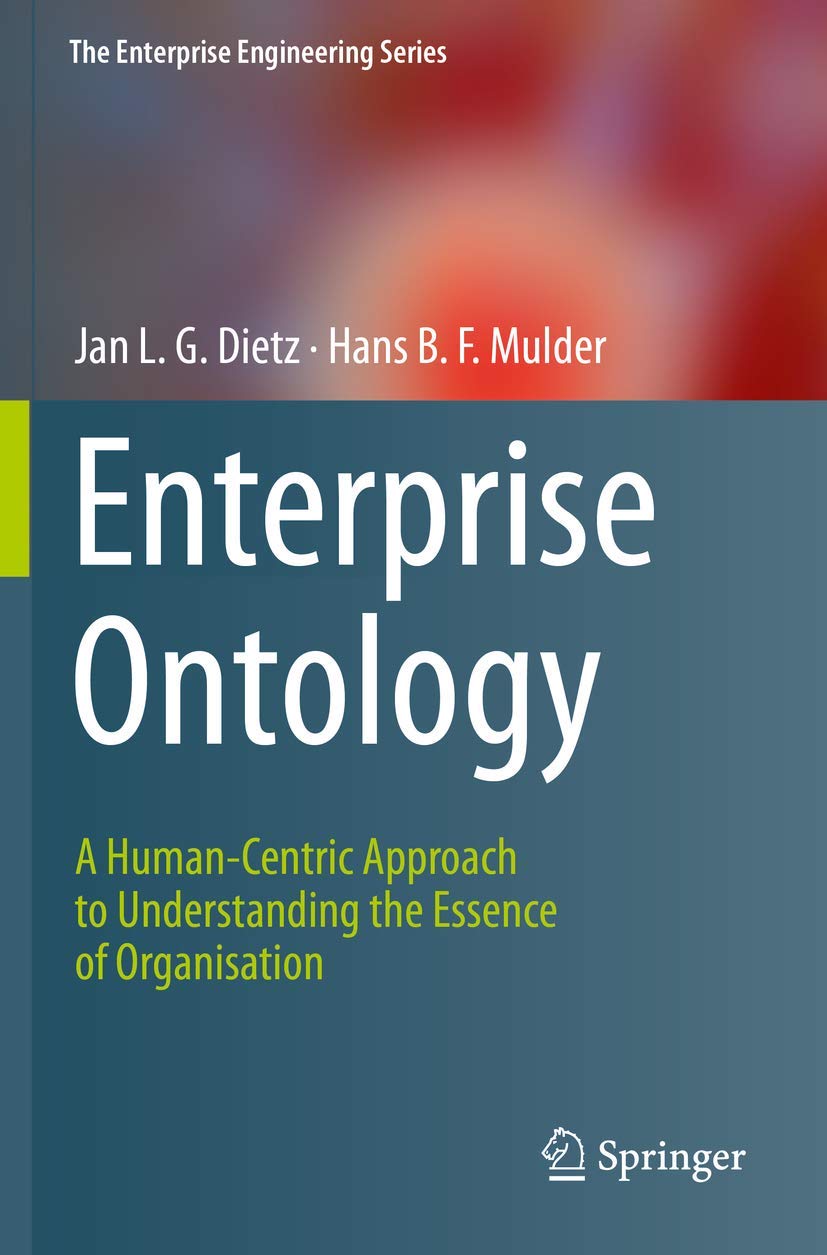
The book Enterprise Ontology offers a profound exploration into the essence of organizations through a human-centric lens. Authored by Jan L.G. Dietz and Hans B. F. Mulder, this insightful work is part of the esteemed Enterprise Engineering Series, making it a vital resource for both academics and practitioners.
In today's complex business landscape, understanding the underlying structures of organizations is crucial. This book delves into the concept of enterprise ontology, providing readers with a framework that emphasizes the importance of human interactions and relationships within organizational settings. The authors argue that traditional approaches often overlook the human element, leading to ineffective organizational designs.
One of the standout features of this book is its comprehensive methodology. The authors present a systematic approach to developing an ontology that captures the essence of an organization. By focusing on the human-centric approach, they guide readers through the process of identifying key components that contribute to the overall functionality of an enterprise.
Moreover, the book is rich with practical examples and case studies that illustrate the application of enterprise ontology in real-world scenarios. These examples not only enhance understanding but also demonstrate the tangible benefits of adopting a human-centric perspective. Readers will find that the insights gained from these case studies can be directly applied to their own organizations, fostering a more collaborative and effective work environment.
Another significant aspect of Enterprise Ontology is its emphasis on communication and shared understanding. The authors highlight how effective communication among stakeholders is essential for the successful implementation of any organizational strategy. By prioritizing human interactions, organizations can create a culture of transparency and trust, which ultimately leads to improved performance.
The book also addresses the challenges organizations face when attempting to implement a human-centric approach. The authors provide practical solutions and strategies to overcome these obstacles, ensuring that readers are well-equipped to navigate the complexities of organizational change. This focus on overcoming challenges is particularly valuable for leaders and managers who are tasked with driving transformation within their organizations.
In conclusion, Enterprise Ontology is a must-read for anyone interested in understanding the intricate dynamics of organizations. Its human-centric approach offers a refreshing perspective that is often missing in traditional organizational studies. Whether you are a student, researcher, or practitioner, this book will provide you with the tools and insights needed to foster a more effective and human-oriented organizational culture.