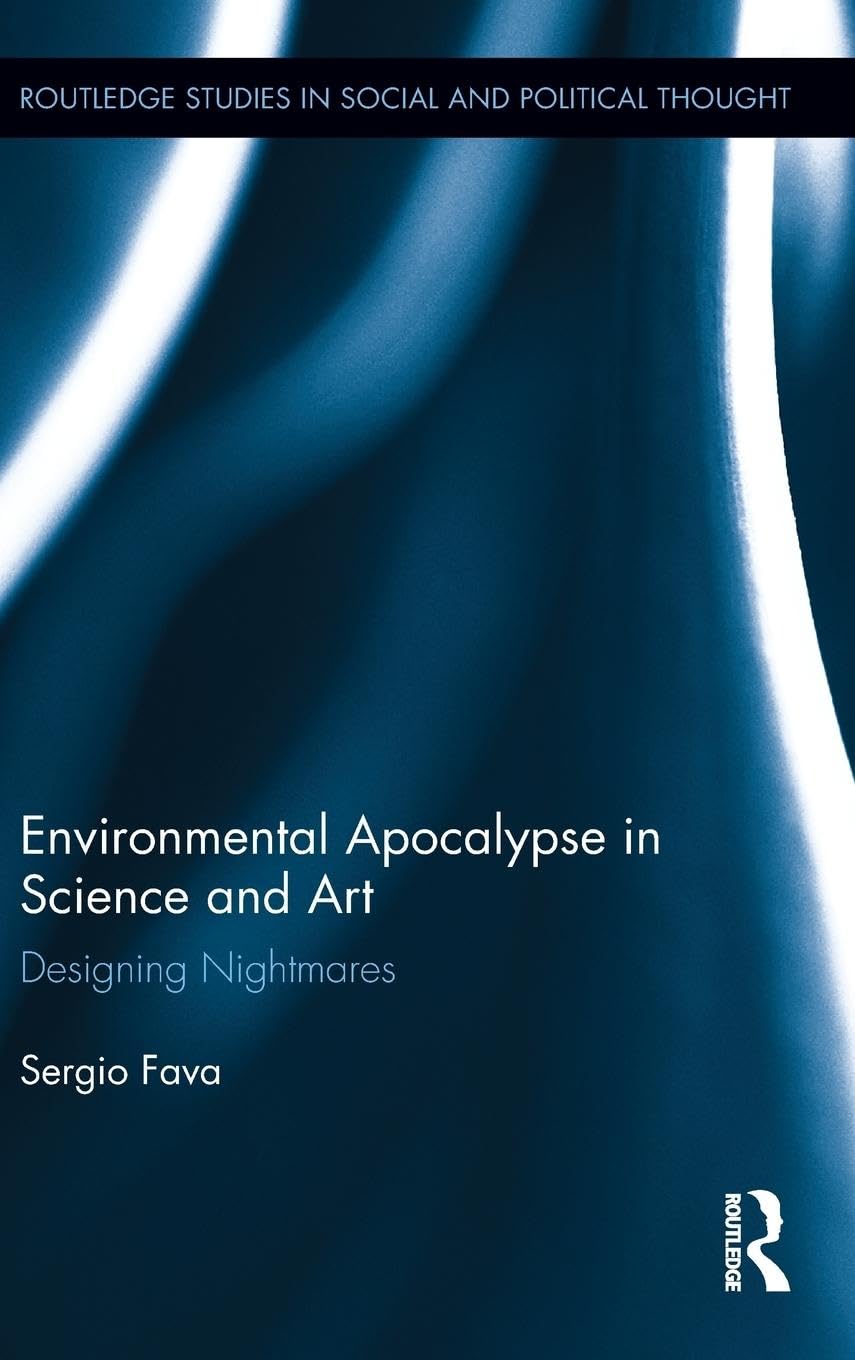
Environmental Apocalypse in Science and Art: A Deep Dive
Environmental Apocalypse in Science and Art: A Deep Dive
Price subject to change. Tap below for current.
Couldn't load pickup availability
The book Environmental Apocalypse in Science and Art offers a profound exploration of the intersection between ecological crises and artistic expression. Authored by Sergio Fava, this work delves into how art reflects and responds to the pressing environmental issues of our time. It is an essential read for anyone interested in the relationship between culture and the environment.
In this insightful text, Fava examines various artistic movements and their responses to environmental degradation. The author argues that art serves as a powerful medium for raising awareness about ecological disasters and inspiring change. Through a series of case studies, the book highlights how artistic expressions can provoke thought and action regarding climate change and sustainability.
One of the key themes in the book is the role of science in art. Fava discusses how scientific findings can inform artistic practices, leading to innovative works that challenge viewers to reconsider their relationship with nature. This synergy between science and art is crucial in understanding the complexities of environmental issues.
The book also addresses the concept of the apocalyptic narrative in contemporary art. Fava explores how artists depict dystopian futures and environmental collapse, using their work to comment on the potential consequences of human actions. This narrative serves not only as a warning but also as a call to action for audiences to engage with environmental challenges.
Fava's writing is both accessible and thought-provoking, making this book suitable for a wide range of readers, from academics to art enthusiasts. The inclusion of various artistic examples enriches the text, providing a visual context that complements the theoretical discussions. The book encourages readers to reflect on their own perceptions of nature and the impact of human activity.
Furthermore, Environmental Apocalypse in Science and Art emphasizes the importance of interdisciplinary approaches to tackling environmental issues. Fava advocates for collaboration between artists, scientists, and policymakers to foster a more sustainable future. This holistic perspective is vital in addressing the multifaceted challenges posed by climate change.
In conclusion, this book is a significant contribution to the field of environmental studies and art criticism. It challenges readers to think critically about the role of art in society and its potential to influence environmental consciousness. Whether you are a student, a professional in the arts, or simply someone passionate about the environment, this book will provide valuable insights and inspire meaningful discussions.
Share