

Environmental Apocalypse in Science and Art - Critical of Climate
Environmental Apocalypse in Science and Art - Critical of Climate
Price subject to change. Tap below for current.
Couldn't load pickup availability
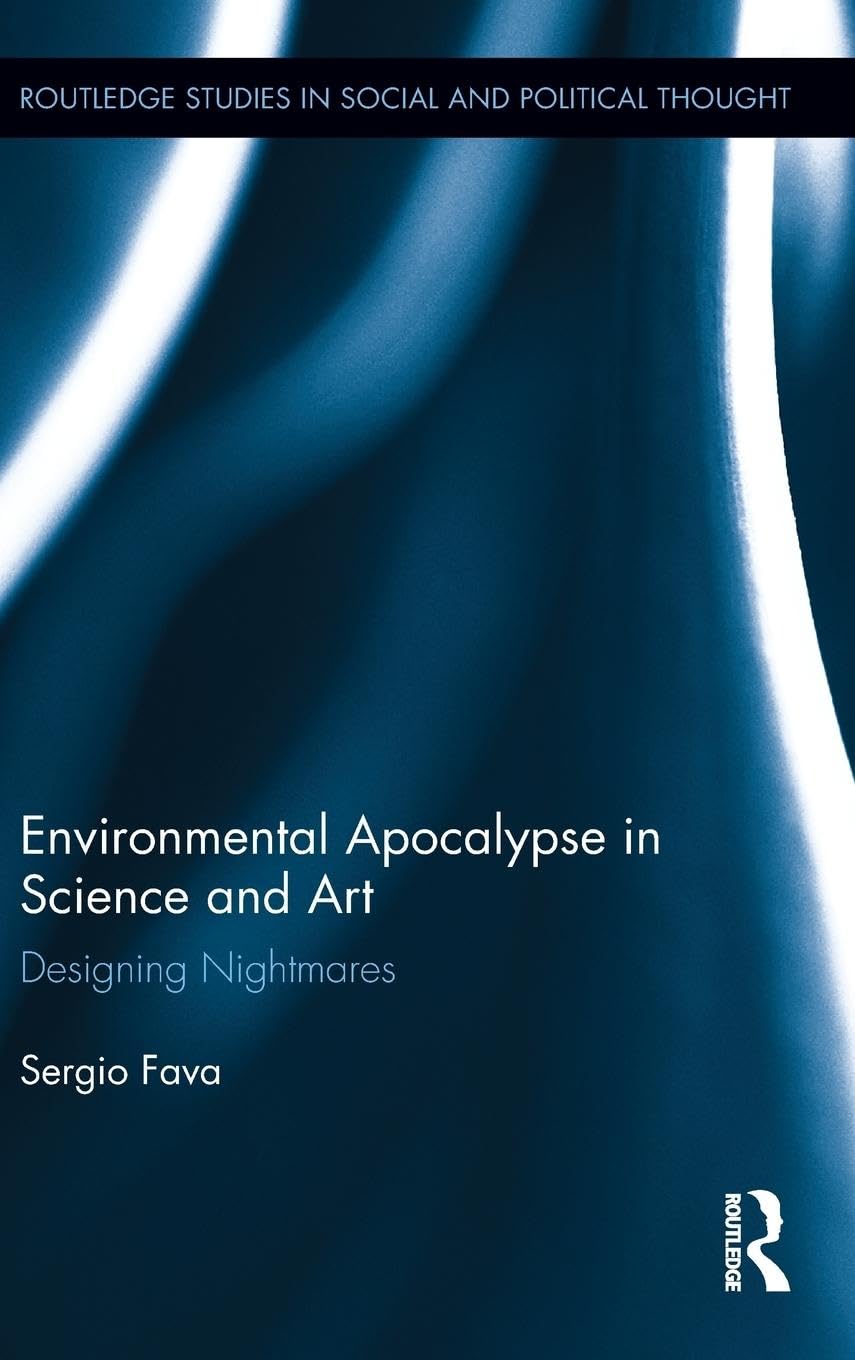
In this review of Environmental Apocalypse in Science and Art, the bottom line is clear: this is a rigorous, cross-disciplinary examination for readers who want to understand why prevailing climate policy keeps failing. Sergio Fava frames a persistent problem-the dominance of models and scenarios-as cultural and epistemological, arguing that our assumptions about valid knowledge shape policy outcomes. The book is best for scholars and practitioners seeking a critical, evidence-based account of how modelling interfaces with politics, religion, food security and artistic practice, and it challenges readers to rethink the science-policy relationship.
Key Features
- Cross-disciplinary analysis: The book connects climate science, policy and cultural history to show how different fields influence practical outcomes for adaptation and mitigation.
- Focus on epistemology: Fava examines assumptions about what counts as valid knowledge, helping readers see why some research fails to translate into effective policy.
- Empirically grounded critique: The narrative uses case-driven analysis to link modelling practices to real-world policy consequences rather than relying solely on abstract theory.
- Attention to modelling and scenarios: The author traces how reliance on models shapes political priorities and public expectations in ways that can hinder action.
- Engagement with art and the apocalyptic: Artistic practices are treated as a vital site for questioning how futures are imagined and for opening alternative public conversations.
Who It's For
This volume is aimed at academics in environmental studies, social and political thought, science and technology studies, and arts scholars interested in climate representation. Policy analysts and climate practitioners who want a critical reflection on how modelling and epistemology shape decision making will also find the arguments challenging and useful.
Readers looking for a primer on climate science methods, step-by-step policy solutions, or a purely technical manual on modelling should look elsewhere, because the book emphasizes cultural history, critique and interdisciplinary interpretation over practical toolkits.
Pros & Cons
Pros
- Provides a clear linkage between modelling practices and policy failures, which helps readers diagnose systemic obstacles to effective climate action.
- Offers a fresh integration of art and criticism, showing how artistic practice can reveal political and epistemic blind spots.
- Grounded in empirical examples and historical context, making its critique concrete rather than purely speculative.
Cons
- The book is interpretive and critical rather than a source of prescriptive policy tools, limiting its immediate practicality for practitioners seeking operational solutions.
Specifications
| Title | Environmental Apocalypse in Science and Art |
| Series | Routledge Studies in Social and Political Thought |
| Author | Sergio Fava |
| Scope | Cross-disciplinary analysis of climate science, policy, modelling and art |
| Focus topics | Prediction, epistemology, politics, food security, religion, art |
Our Verdict
Sergio Fava's book is a thoughtful and well-argued critique for readers interested in why climate policy repeatedly falls short; it is good value for scholars and reflective practitioners because it reframes the problem around knowledge practices and invites more pluralistic, culturally aware approaches to climate decision making.
Frequently Asked Questions
Does the book offer technical modelling guidance?
No. The book critiques the role of models in policy and explores cultural and epistemic implications rather than providing detailed modelling instruction.
Is this suitable for non-academic readers?
Yes, informed non-specialists interested in the politics and cultural history of climate knowledge will find it accessible, though it is intellectually demanding.
Does the book discuss art in relation to climate?
Yes, it treats artistic practice as a critical location for rethinking apocalyptic narratives and public engagement with climate futures.
Editor's Take
Sergio Fava offers a rigorous, cross-disciplinary critique showing how reliance on models and narrow notions of valid knowledge undermines climate policy; essential reading for scholars and reflective practitioners who want to rethink science-policy interfaces.

Recently viewed
Recently viewed products will appear here as customers browse the store.