

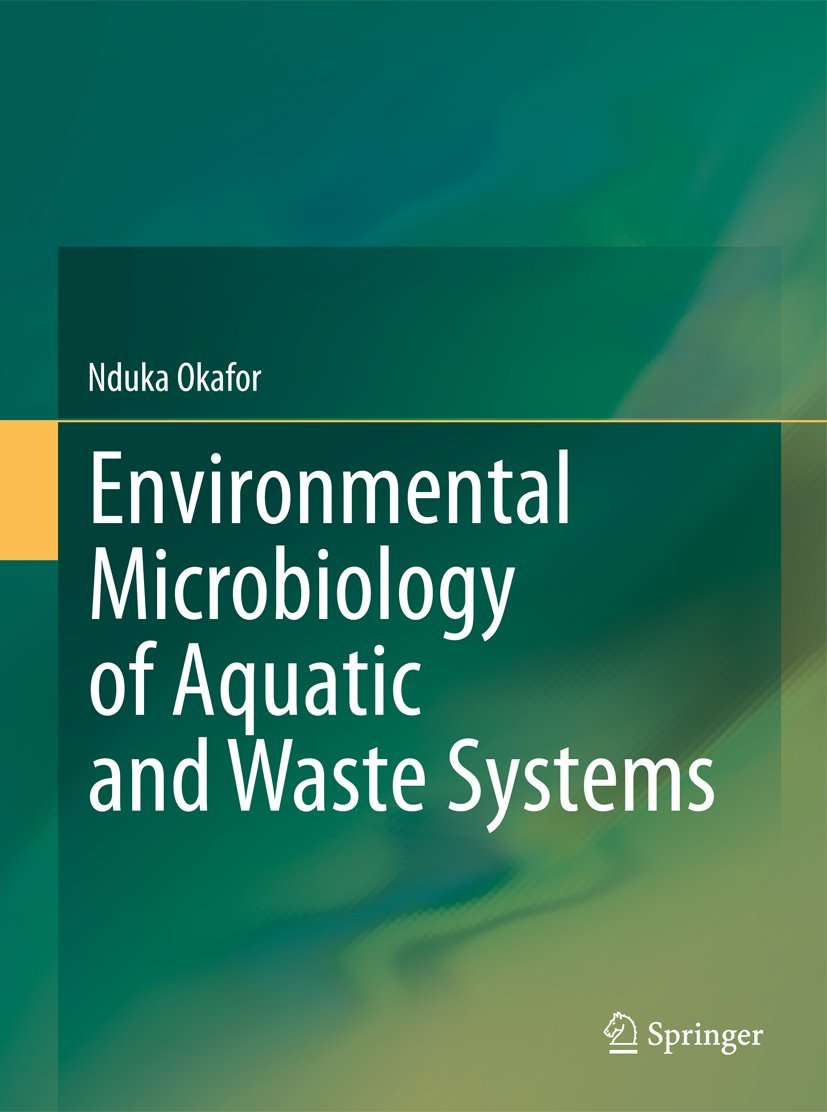
Environmental Microbiology of Aquatic and Waste Systems - Practical
Environmental Microbiology of Aquatic and Waste Systems - Practical
Price subject to change. Tap below for current.
Couldn't load pickup availability
In this review of Environmental Microbiology of Aquatic and Waste Systems, the reviewer finds a focused, methodical reference best suited to students and practitioners who need a modern, organism-centered look at microbes in water. The book places emphasis on molecular taxonomy using 16S ribosomal RNA and metagenomics, and its single biggest reason to buy is its clear linkage between microbial identity and environmental function, especially for water quality, pollution and self-purification. This review highlights how the book balances taxonomy, ecology and applied topics like municipal purification and disease transmission.
Key Features
- Molecular taxonomy focus: The use of 16S ribosomal RNA gives readers a contemporary framework to identify and compare aquatic bacteria and other microorganisms.
- Comprehensive organism coverage: The book treats bacteria, fungi, protozoa, algae, viruses and small animals such as nematodes and rotifers, offering a broad view of aquatic life.
- Metagenomics and unculturable microbes: Practical discussion of metagenomic approaches helps readers understand how to study organisms that cannot be grown in culture.
- Environmental context: Coverage of water as a growth environment explains physical and chemical peculiarities that shape microbial communities.
- Applied pollution and purification: Examination of pollution, self-purification of natural waters and municipal treatment connects theory to real-world water management.
- Climate and biogeochemical cycles: The text links aquatic microbes to global recycling of nitrogen and sulphur and to broader climate influences.
Who It's For
This title is aimed at upper-level undergraduates, graduate students and environmental professionals who need a solid, organism-focused textbook or reference on aquatic microbiology and applied water issues. It is especially useful for those working on water quality, wastewater treatment, microbial ecology and environmental monitoring.
Readers seeking a lab manual with step-by-step protocols or a general popular-audience overview should look elsewhere, as the book prioritizes taxonomy, metagenomic perspective and ecological implications over procedural lab guidance or light introductions.
Pros & Cons
Pros
- Modern 16S rRNA approach gives a rigorous, up-to-date taxonomy framework for aquatic microbes.
- Broad organism coverage ensures fungi, protozoa, algae and small animals are not overlooked.
- Clear connection between microbial communities and applied topics like pollution, self-purification and municipal water treatment.
Cons
- Not a hands-on lab manual, so readers needing protocols or experimental procedures will need additional sources.
Specifications
| Title | Environmental Microbiology of Aquatic and Waste Systems |
| Author | Nduka Okafor |
| Primary methods | 16S ribosomal RNA and metagenomics |
| Organism coverage | Bacteria, fungi, protozoa, algae, viruses, nematodes, rotifers |
| Applied topics | Pollution, self-purification, municipal water purification, disease transmission |
| Environmental focus | Water as a microbial habitat and global nutrient cycles |
Our Verdict
Environmental Microbiology of Aquatic and Waste Systems is a well-focused, contemporary reference for students and professionals who need to link microbial identity to environmental function in freshwater and marine contexts. Its emphasis on 16S rRNA and metagenomics, plus applied sections on pollution and water treatment, make it strong value for those working in water quality, wastewater engineering and microbial ecology.
Frequently Asked Questions
Does this book cover molecular methods?
Yes. It emphasizes 16S ribosomal RNA and metagenomics approaches for studying both culturable and unculturable aquatic microbes.
Is it suitable for lab technicians seeking protocols?
No. The book focuses on taxonomy, ecology and applied issues rather than step-by-step laboratory protocols.
Which organisms are included?
The book covers bacteria, fungi, protozoa, algae, viruses and smaller aquatic animals such as nematodes and rotifers.
Editor's Take
A focused, contemporary reference for students and professionals linking microbial identity to environmental function in freshwater and marine systems, strong for water quality and wastewater topics.

Recently viewed
Recently viewed products will appear here as customers browse the store.