

Equity in English Renaissance Literature - Critical and Analysis
Equity in English Renaissance Literature - Critical and Analysis
Price subject to change. Tap below for current.
Couldn't load pickup availability
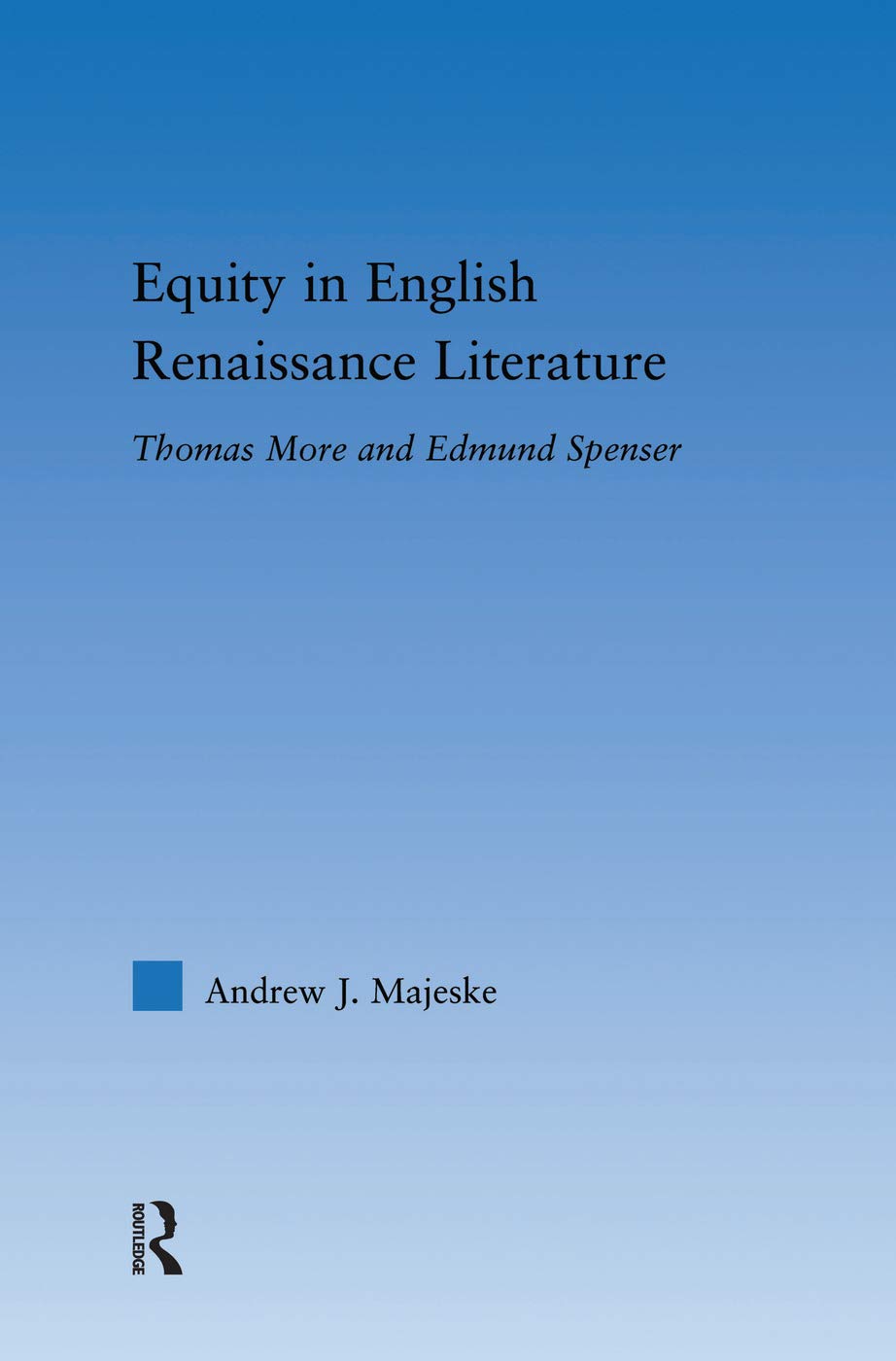
In this review of Equity in English Renaissance Literature, the reviewer argues that this scholarly book is best suited for readers seeking a focused reassessment of how the meaning of equity shifted in sixteenth-century England and for those who want literary evidence to frame legal and cultural change. Andrew Majeske traces the transformation primarily through literary texts rather than legal treatises, and the single biggest reason to read this work is its careful demonstration that key passages in Thomas More's Utopia and Edmund Spenser's Faerie Queene reveal a distinct, previously obscured history of equity rooted in the Greek concept of epieikeia.
Key Features
- Literary focus: The book foregrounds textual analysis of the Utopia and Faerie Queene, showing how literary passages record shifts in meaning before political documents do.
- Historical tracing: It sketches the history of equity back to the Greek notion of epieikeia, offering readers a deeper conceptual lineage rather than a simple legal chronology.
- Close readings: The author illuminates specific, previously puzzling passages in both works, helping scholars and students interpret difficult lines in context.
- Rediscovery of distinctions: The book uncovers distinctions and an esoteric meaning of equity that have been long obscured in existing criticism.
- Interdisciplinary approach: By combining literary criticism with cultural and intellectual history, the book is positioned for readers who value cross-disciplinary insight.
Who It's For
This book is for advanced undergraduates, graduate students, and scholars in Renaissance literature or intellectual history who want a targeted study linking literary texts to changing political and legal concepts. It is especially useful for researchers investigating Thomas More or Edmund Spenser, and for courses that pair literature with legal or cultural theory.
Readers looking for a general history of English law, an introductory textbook, or a broad survey of sixteenth-century politics should look elsewhere; this work assumes familiarity with close textual reading and engages principally with interpretive, rather than procedural, accounts of equity.
Pros & Cons
Pros
- Provides rigorous, text-driven evidence that clarifies how the meaning of equity evolved in literary discourse.
- Recovers important conceptual roots by linking English equity to the Greek epieikeia, enriching scholarly context.
- Offers careful readings of specific passages in Utopia and Faerie Queene that will aid future scholarship and teaching.
Cons
- The focus on literary texts means readers seeking a comprehensive legal history of equity will find the scope deliberately narrow.
Specifications
| Title | Equity in English Renaissance Literature |
| Subtitle/Series | Literary Criticism and Cultural Theory |
| Author | Andrew Majeske |
| Main texts analyzed | Thomas More's Utopia; Edmund Spenser's Faerie Queene |
| Primary concept traced | Equity linked to Greek epieikeia |
| Approach | Close literary readings and intellectual history |
Our Verdict
Equity in English Renaissance Literature is a focused, rewarding read for scholars and advanced students who want to understand how literary language helped reshape the idea of equity in sixteenth-century England. Its careful textual recoveries and cross-disciplinary framing make it good value for anyone studying More, Spenser, or the cultural history of legal concepts.
Frequently Asked Questions
Does the book analyze legal treatises?
The book emphasizes literary texts rather than legal treatises, tracing change mainly through Utopia and Faerie Queene.
Is prior knowledge required?
Some familiarity with Renaissance literature and close reading practices will make the book more accessible and useful.
Will it help law historians?
Law historians interested in conceptual origins may find the linkage to epieikeia valuable, but those seeking procedural legal history should consult dedicated legal studies.
Editor's Take
A focused, scholarly study that links equity to the Greek epieikeia through close readings of Utopia and Faerie Queene; highly recommended for advanced students and scholars of Renaissance literature.

Recently viewed
Recently viewed products will appear here as customers browse the store.