

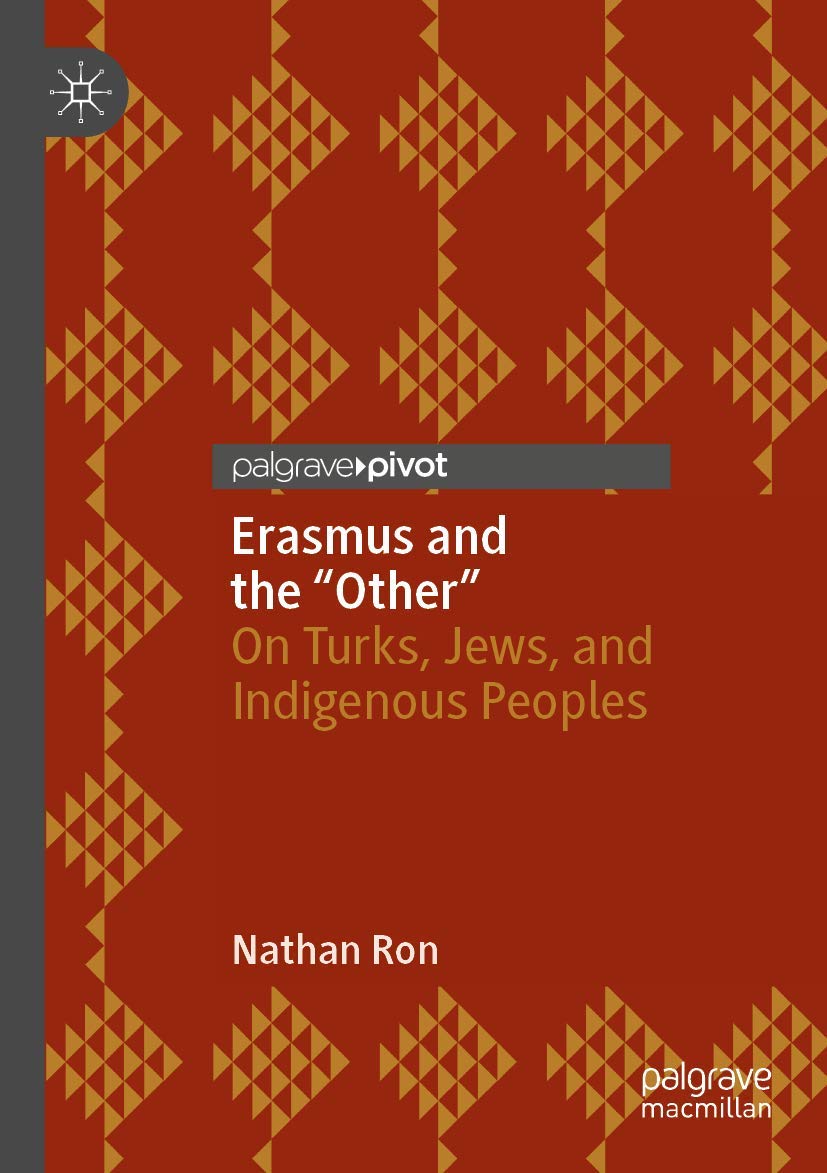
Erasmus and the Other: On Turks, Jews, and Indigenous Peoples
Erasmus and the Other: On Turks, Jews, and Indigenous Peoples
Price subject to change. Tap below for current.
Couldn't load pickup availability
In this review Nathan Ron's Erasmus and the Other is recommended for readers who want a rigorous reappraisal of a major Renaissance humanist. Our review finds the book most valuable because it confronts Erasmus's writings on non-Christians and different races with careful contextual comparison, arguing persuasively that Erasmus upheld a form of Christian Eurocentrism rather than the tolerant humanism often claimed. The book is scholarly in tone but readable, and it will appeal to historians, graduate students, and thoughtful general readers looking for a critical historical study rather than a celebratory biography.
Key Features
- Focused thesis: Argues clearly that Erasmus's views on Muslims, Jews, indigenous Americans, and Africans reflect a commitment to Christian Eurocentrism rather than broad tolerance.
- Comparative analysis: Places Erasmus alongside contemporaries such as Aeneas Sylvius Piccolomini, Nicholas of Cusa, and Bartolome de Las Casas to highlight contrasts in thought and policy.
- Religious and racial scope: Examines Erasmus's stance across a wide set of non-Christian groups to reveal patterns in his rhetoric and argumentation.
- Contextual reading: Situates Erasmus's opinions within Renaissance intellectual debates, helping readers see how his positions fit broader European currents.
- Engagement with dissenters: Compares Erasmus's harsh lines on Islam/Turks with the more moderate attitudes of figures like Michael Servetus, Sebastian Franck, and Sebastian Castellio.
Who It's For
This book is best for academic readers, history enthusiasts, and students of Renaissance intellectual history who want a critical, evidence-driven reassessment of Erasmus's attitudes toward non-Christians and different races. Its comparative approach makes it useful as a seminar text for courses on early modern thought, colonial encounters, or religious history.
Readers seeking a light biography or an uncritical celebration of Erasmus should look elsewhere; this is not a devotional treatment but a challenging critique that foregrounds contradictions in Erasmus's legacy and asks difficult questions about Renaissance humanism.
Pros & Cons
Pros
- Careful scholarly argumentation that reframes Erasmus as invested in Christian Eurocentrism rather than tolerant pluralism.
- Useful comparisons with contemporaries that clarify intellectual alternatives available in the period.
- Broad scope covering Muslims, Jews, indigenous Americans, and Africans, which supports the book's central claim.
Cons
- The tone is academic and dense at times, which may challenge casual readers looking for a breezier narrative.
Specifications
| Title | Erasmus and the Other: On Turks, Jews, and Indigenous Peoples |
| Author | Nathan Ron |
| Subject focus | Erasmus's views on Muslims, Jews, indigenous Americans, and Africans |
| Comparative figures | Aeneas Sylvius Piccolomini, Nicholas of Cusa, Bartolome de Las Casas, Michael Servetus |
| Approach | Critical historical and intellectual analysis |
| Use case | Graduate study, history seminars, scholarly reappraisal |
Our Verdict
Nathan Ron's book is a valuable corrective for readers who want to move beyond the standard, sympathetic accounts of Erasmus. It provides a convincing, well-documented argument that Erasmus's thought was constrained by a form of Christian Eurocentrism, and it is good value for scholars and students seeking a focused critique grounded in Renaissance debates.
Frequently Asked Questions
Does the book argue Erasmus was intolerant?
The book argues Erasmus upheld Christian Eurocentrism and was less tolerant toward non-Christians than commonly portrayed, using evidence from his writings.
Which contemporaries are compared with Erasmus?
Ron compares Erasmus with figures like Aeneas Sylvius Piccolomini, Nicholas of Cusa, Bartolome de Las Casas, and others who held differing views.
Is this accessible to nonacademic readers?
The prose is scholarly and may be dense for casual readers, but informed general readers with interest in Renaissance thought will find it rewarding.
Editor's Take
Nathan Ron's book persuasively reframes Erasmus as committed to Christian Eurocentrism rather than broad tolerance, making it essential reading for scholars and students of Renaissance intellectual history.

Recently viewed
Recently viewed products will appear here as customers browse the store.