

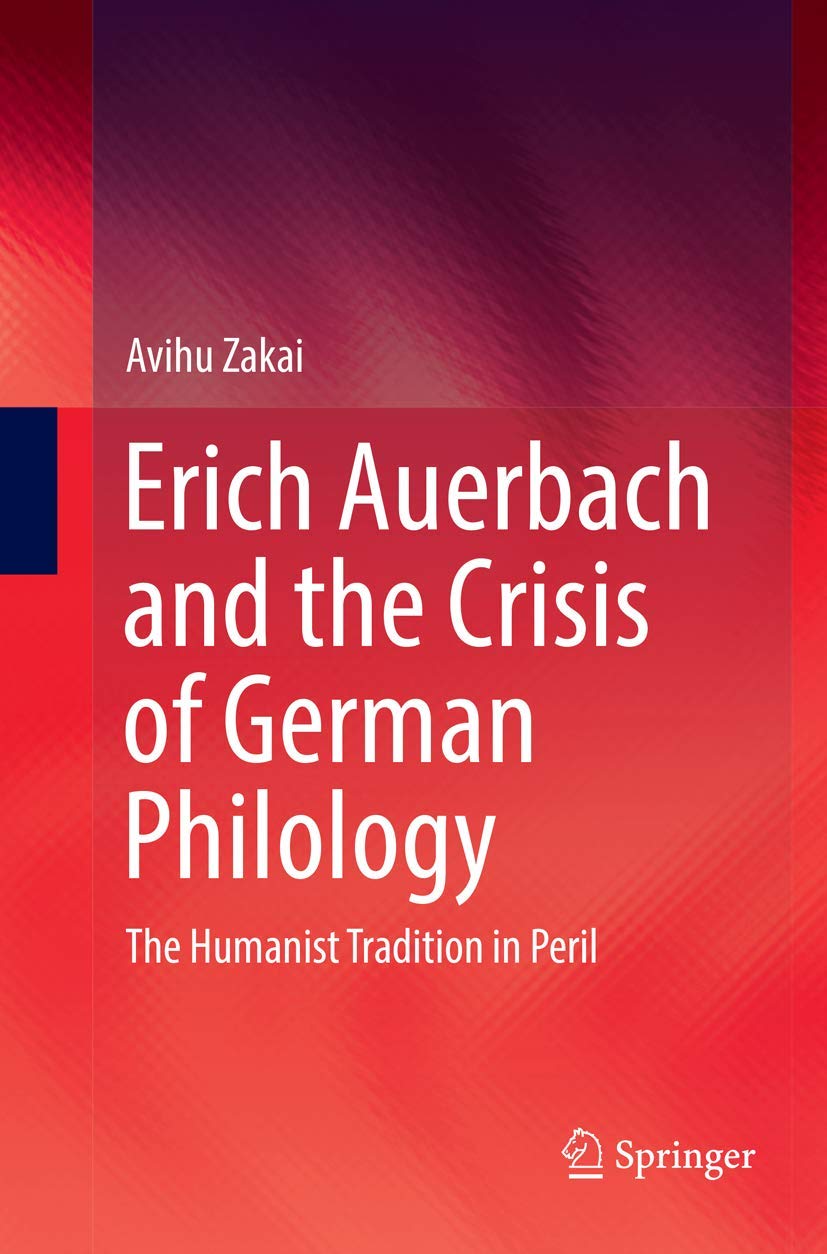
Erich Auerbach and the Crisis of German Philology - Scholarly
Erich Auerbach and the Crisis of German Philology - Scholarly
Price subject to change. Tap below for current.
Couldn't load pickup availability
In this review of Erich Auerbach and the Crisis of German Philology the reviewer finds a focused, scholarly account aimed at readers interested in intellectual history and philology. The book's greatest asset is its contextual analysis of Auerbach's thought amid the rise of Aryan philology and the Nazi Revolution, making it essential for historians who want a deep, interpretive study rather than a general overview. This review will help prospective readers decide if they need a close reading of German intellectual currents and the defense of Western Judaeo-Christian humanist tradition.
Key Features
- Contextual analysis: The book places Auerbach within the wider ideological and historical circumstances of his time, clarifying how philology intersected with politics.
- Focus on Aryan philology: It traces the rise and premises of Aryan philology and explains how volkisch mysticism shaped Nazi historiography.
- Defense of humanism: The text examines Auerbach's defense and justification of Western Judaeo-Christian humanist tradition during an existential crisis.
- Biographical interpretation: The author analyzes Auerbach's life and mind to show how personal intellectual commitments informed his scholarly interventions.
- Detailed argumentation: The book discusses Auerbach's efforts to counter racist tendencies and volkish ideology with sustained textual and historical evidence.
Who It's For
This book is best for graduate students, scholars of literature and history, and readers with prior knowledge of philological debates who want a careful, argument-driven study of Auerbach and his context. It rewards slow, attentive reading and familiarity with terms like volkisch and Kultur.
Readers seeking a general popular history or a brief introduction to German history should look elsewhere, as this is not a sweeping narrative for newcomers but a targeted critical study of intellectual traditions and scholarly resistance.
Pros & Cons
Pros
- Thorough contextualization of Auerbach within the ideological and philological debates of early 20th-century Germany.
- Clear explanation of how Aryan philology and volkisch mysticism affected German Kultur and interpretations of the Old Testament.
- Earnest defense of the Western Judaeo-Christian humanist tradition presented with close textual reading and historical framing.
Cons
- The book assumes prior familiarity with philological and historical terms, which may limit accessibility for general readers.
Specifications
| Title | Erich Auerbach and the Crisis of German Philology |
| Author | Avihu Zakai |
| Subject focus | Auerbach, Aryan philology, Nazi Revolution |
| Central themes | Humanist tradition, volkisch mysticism, historiography |
| Approach | Historical and philological analysis |
| Intended audience | Scholars and advanced students |
Our Verdict
Avihu Zakai's study is a disciplined, well argued contribution for specialists who need a rigorous account of Auerbach's resistance to racist philology and the defense of Western humanism. It offers strong value for readers seeking depth and contextual clarity, though it is best suited to an academic audience rather than casual readers.
Frequently Asked Questions
Does this book explain Aryan philology?
The book traces the rise and premises of Aryan philology and shows how it influenced Nazi historiography and cultural exclusion.
Is prior knowledge required to read it?
Some background in philology, German intellectual history, or literary criticism will help, as the work assumes familiarity with key terms and debates.
Does the book focus on Auerbach's biography?
It analyzes Auerbach's life and mind primarily to illuminate his intellectual responses and his defense of humanist tradition.
Editor's Take
Avihu Zakai's study is a disciplined, well argued contribution for specialists seeking a rigorous account of Auerbach's resistance to racist philology and the defense of Western humanism; it offers strong value for academic readers though it assumes prior knowledge.

Recently viewed
Recently viewed products will appear here as customers browse the store.