

Error and Fraud - A Clear Guide to Research Pitfalls
Error and Fraud - A Clear Guide to Research Pitfalls
Price subject to change. Tap below for current.
Couldn't load pickup availability
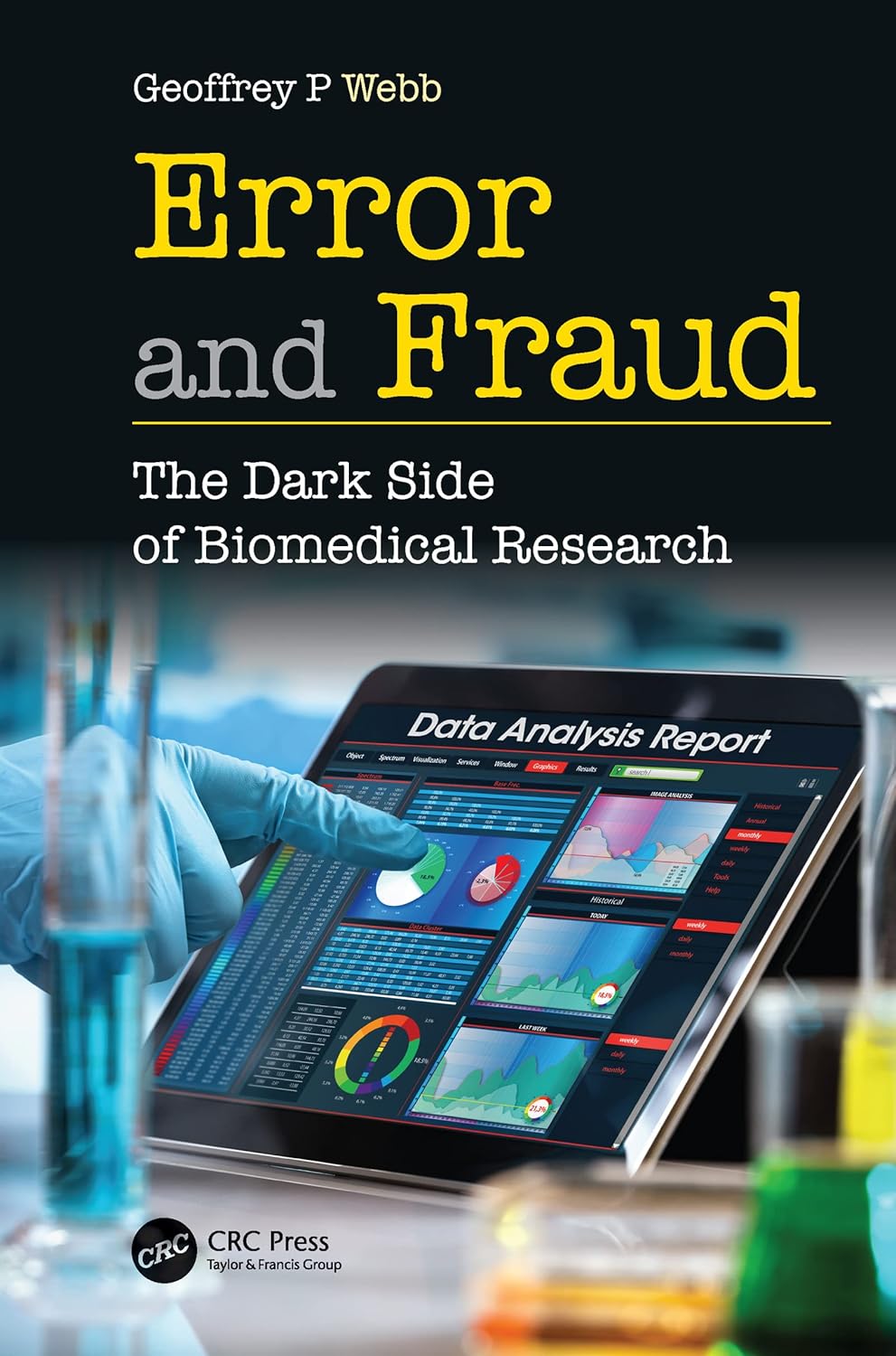
In this review of Error and Fraud the bottom line is simple: this book is for readers who want to understand how biomedical research can mislead as well as inform. Geoffrey Webb writes for thoughtful non-experts and health professionals who need a practical framework to evaluate media claims about lifestyle, diet and disease. The single biggest reason to buy is the book's clear explanation of research logic and the everyday ways results can be distorted, which helps readers separate plausible findings from those that deserve deeper scrutiny.
Key Features
- Explanation of research approaches: The book clarifies the logical basis of different biomedical methods so readers can see why some study types carry more weight than others.
- Focus on real-world flaws: It highlights how research practice often departs from ideal standards, increasing reader awareness of common problems in published studies.
- Discussion of fraud and fudging: Webb explains the characteristics of scientific fraud and the subtler tendency to adjust analyses to reach statistical significance.
- Media-literacy benefit: By teaching how to appraise study design and claims, the book helps readers judge health headlines with more realism.
- Resource for further thinking: The text points readers toward when a reported effect is worth behavior change or merely a prompt for additional research.
Who It's For
This book suits curious lay readers, students and healthcare professionals who want a grounded introduction to the strengths and limits of biomedical research. It is particularly useful for anyone who reads health reporting and wants to learn how study design, statistical choices and researcher conduct shape conclusions.
Those seeking a technical textbook with equations, raw data reanalyses or step-by-step lab protocols should look elsewhere; this is an interpretive, conceptual guide rather than a methods manual or comprehensive academic treatise.
Pros & Cons
Pros
- Clearly explains different research approaches, making complex ideas accessible to non-specialists.
- Raises awareness of both outright fraud and the common practice of tweaking results to achieve significance.
- Improves readers' ability to judge media claims linking lifestyle or diet to health outcomes.
Cons
- Not a technical methods guide, so readers looking for statistical formulas or hands-on research instruction may find it limited.
Specifications
| Title | Error and Fraud |
| Author | Geoffrey Webb |
| Subject focus | Biomedical research methods and integrity |
| Key themes | Research logic, fraud, result fudging, media appraisal |
| Intended audience | Non-experts, students, healthcare professionals |
| Use case | Improving evaluation of health claims and research reports |
Our Verdict
Error and Fraud is a concise, thoughtful guide that helps readers understand how biomedical research should work and why it sometimes fails. It is good value for anyone who wants to read health news more critically and learn the red flags of unreliable studies, though it is not a substitute for technical methodology texts.
Frequently Asked Questions
Is this book technical?
No, the book is conceptual and written for readers without specialist statistical training.
Will it teach me how to spot fraud?
Yes, it describes characteristics of fraudulent science and common practices that lead to misleading results.
Is it useful for health professionals?
Yes, it is helpful for clinicians and students who want a clearer framework to evaluate research and media claims.
Editor's Take
A concise, thoughtful guide that helps readers understand how biomedical research can fail and how to judge health claims; recommended for non-experts and professionals seeking better research literacy.

Recently viewed
Recently viewed products will appear here as customers browse the store.