

Essential Taoism and Kabbalah Guide for Beginners - Concepts
Essential Taoism and Kabbalah Guide for Beginners - Concepts
Price subject to change. Tap below for current.
Couldn't load pickup availability
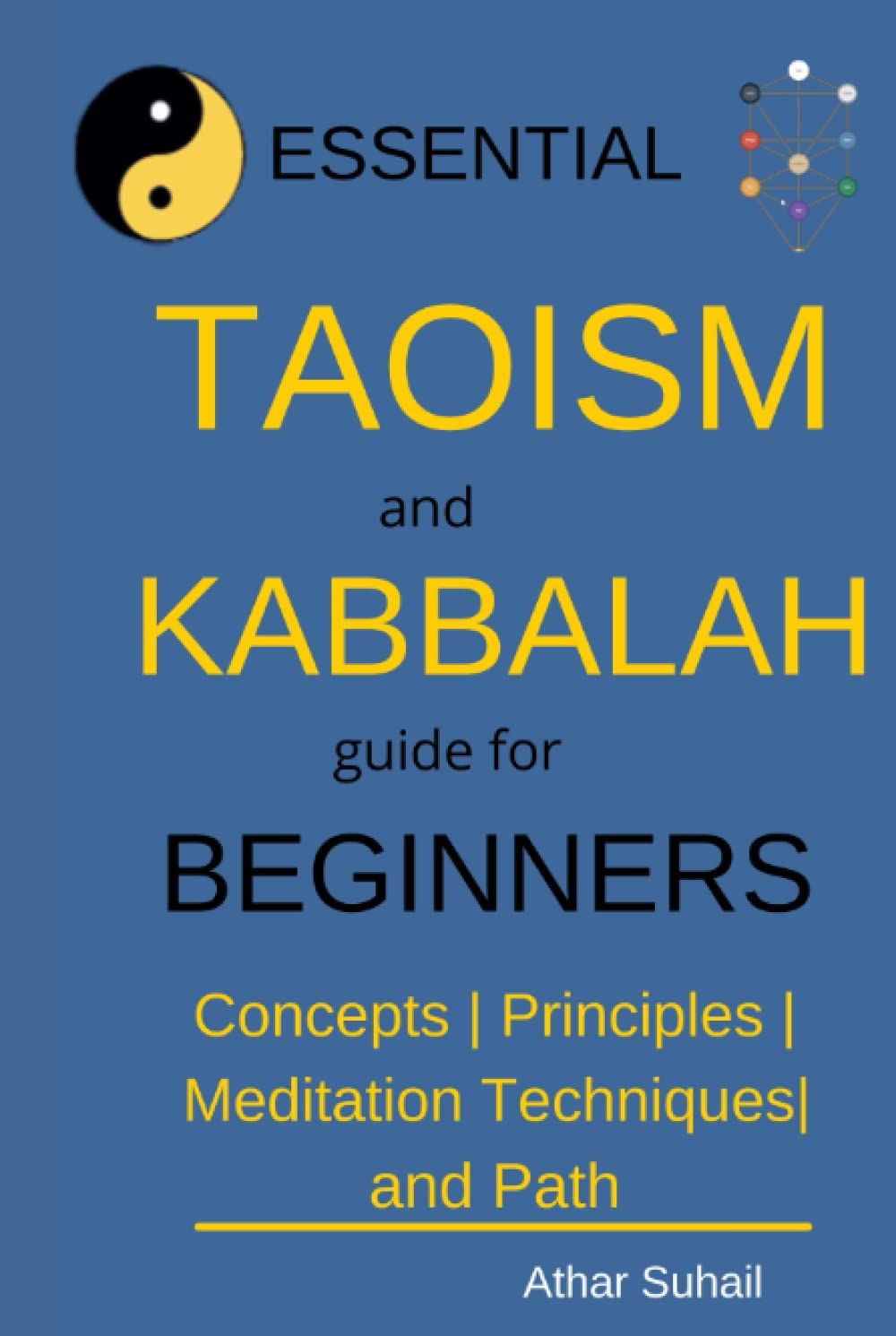
In this review of Essential Taoism and Kabbalah Guide for Beginners the reviewer finds a compact, approachable introduction for readers curious about Eastern and mystical Jewish thought. This book is aimed at newcomers who want clear explanations and practical techniques rather than academic depth. The single biggest reason to buy is its combination of conceptual overview and actionable meditation methods that link Taoist ideas like Wu Wei with Kabbalistic concepts such as the tree of life, making it useful for people seeking applied spiritual practice.
Key Features
- Concise introductions: Each chapter breaks down a core topic such as the origin of Taoism or the meaning of Wu Wei into readable sections that are easy to absorb.
- Practical meditation techniques: The guide includes meditation methods and examples aimed at helping readers put teachings into practice rather than only reading theory.
- Comparative perspective: By covering both Taoism and Kabbalah the book highlights parallels like balance and return, which helps readers see how different traditions address personal growth.
- Beginner-focused language: The author avoids dense jargon so newcomers can understand concepts such as Yin Yang, Wu Chi, and the tree of life without prior study.
- Clear chapter layout: Chapters are organized around single themes (origins, principles, Wu Wei, yin yang, Wu and yu) which makes targeted reading straightforward.
Who It's For
This guide is best for curious beginners and self-directed readers who want an accessible primer on both Taoism and Kabbalah with practical exercises to try at home. It suits people interested in meditation and integrating complementary spiritual principles into daily life.
It is less suitable for scholars or readers seeking an academic history or exhaustive commentary; those looking for deep textual analysis or extensive citations should look to more specialized studies. Readers expecting a long, exhaustive manual may find this book intentionally concise.
Pros & Cons
Pros
- Clear explanations of foundational concepts like Tao, Yin Yang, and Wu Wei make initial learning fast.
- Practical examples and meditation techniques help translate ideas into daily practice.
- The side-by-side treatment of Taoism and Kabbalah offers a fresh comparative lens for spiritual seekers.
Cons
- Coverage is introductory and will not satisfy readers seeking in-depth scholarly analysis.
Specifications
| Title | Essential Taoism and Kabbalah Guide for Beginners |
| Author | Athar Suhail |
| Subject focus | Taoism and Kabbalah concepts and meditation techniques |
| Audience | Beginners and general readers |
| Chapter highlights | Origins of Taoism, Wu Chi, Tao, Yin Yang, Wu Wei, Wu and yu |
| Style | Introductory, practical examples and techniques |
Our Verdict
This compact guide is a practical starting point for readers wanting to explore Kabbalah and Taoist practice together. It offers clear explanations and usable meditation techniques that make spiritual ideas actionable, so beginners and those seeking applied tools will find good value in its focused scope.
Frequently Asked Questions
Is this book suitable for absolute beginners?
Yes. The text is written for newcomers and explains foundational terms and principles in plain language.
Does the book include meditation exercises?
Yes. It provides practical meditation techniques and examples to help readers apply teachings.
Will this replace formal study in either tradition?
No. The book is an introductory guide and complements, rather than replaces, deeper study or mentorship in either tradition.
Editor's Take
This compact guide combines clear introductions to Taoism and Kabbalah with practical meditation techniques, making it a good value for beginners who want usable spiritual practices rather than scholarly depth.

Recently viewed
Recently viewed products will appear here as customers browse the store.