

European Border Regions in Comparison - Comparative History
European Border Regions in Comparison - Comparative History
Price subject to change. Tap below for current.
Couldn't load pickup availability
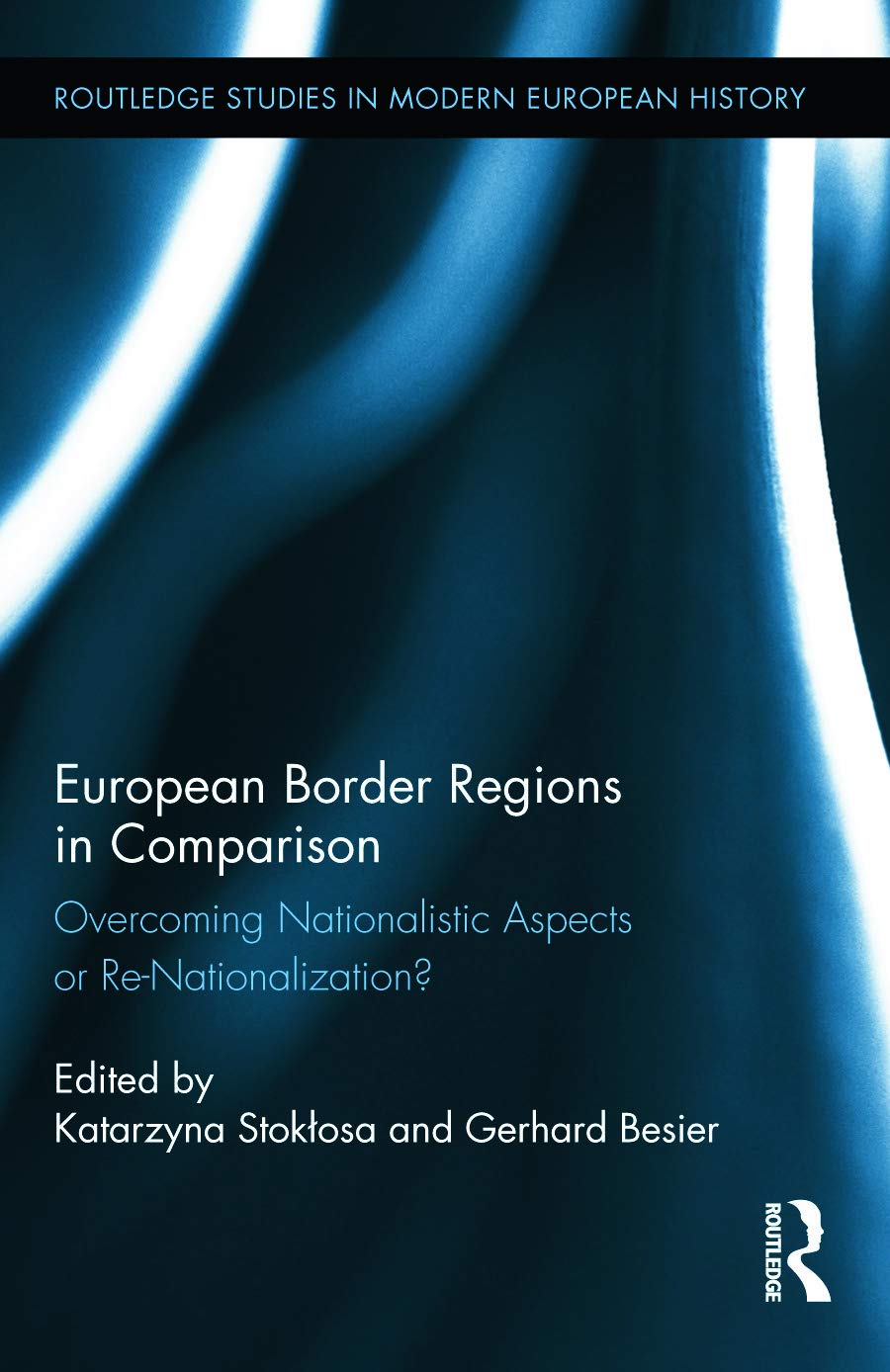
In this review of European Border Regions in Comparison, the authors offer an interdisciplinary examination suited to readers who want to understand how boundaries shape societies. The book is best for scholars and advanced students seeking a comparative, historically grounded perspective on the emergence, meaning and transformation of borders; its single biggest reason to buy is the clear, cross-disciplinary framing that ties historical narratives to present debates about national identity. The review finds the volume most valuable for academic reading and course use rather than casual overview.
Key Features
- Interdisciplinary approach: The book brings together history, sociology and political science to illuminate how borders operate in multiple spheres of life, offering readers a broader analytical toolbox.
- Comparative perspective: Contributors compare different European border regions so readers can see patterns of re-nationalization and cross-border cooperation across contexts.
- Historical depth: Emphasis on nation-building and changing narratives provides lengthy historical context that clarifies why borders gained strong cultural meanings.
- Mental and factual borders: The text distinguishes between symbolic, mental borderlines and material frontiers, helping readers separate cultural perceptions from administrative realities.
- Scholarly contributors: Edited by Katarzyna Stokosa and Gerhard Besier, the collection gathers specialists whose essays support critical reflection rather than polemic.
Who It's For
This volume is for historians, political scientists, sociologists and graduate students interested in European regional studies, nation-building and border dynamics. It is especially appropriate for seminar reading where comparative chapters can stimulate cross-disciplinary discussion and coursework on Scandinavia, Denmark and wider European border cases.
Readers seeking a short popular introduction or a policy manual for border management should look elsewhere, as the book assumes familiarity with academic discourse and prioritizes analytical essays over practical prescriptions.
Pros & Cons
Pros
- Interdisciplinary essays provide multiple lenses for understanding border phenomena.
- Comparative chapters highlight recurring themes in re-nationalization and cross-border interaction.
- Strong historical grounding helps explain contemporary national narratives and myths.
Cons
- Scholarly focus and dense analysis make it less accessible to casual readers.
Specifications
| Title | European Border Regions in Comparison |
| Subtitle/Series | Routledge Studies in Modern European History |
| Editors/Authors | Katarzyna Stokosa, Gerhard Besier |
| Subject areas | History, political science, sociology, European studies |
| Geographic focus | Europe (including Scandinavia and Denmark references) |
| Approach | Interdisciplinary and comparative |
Our Verdict
European Border Regions in Comparison is a worthwhile purchase for scholars and advanced students who need a rigorous, comparative treatment of how borders are constructed and reimagined. Its interdisciplinary essays and historical perspective deliver strong analytical value for academic courses, though the dense scholarly style limits appeal for casual general readers.
Frequently Asked Questions
Does this book focus on a single country?
Answer. No; it takes a comparative European approach that includes regional cases such as Scandinavia and Denmark rather than a single-country study.
Is this book suitable for undergraduate courses?
Answer. It works best at upper-level undergraduate or graduate seminars where students can engage with interdisciplinary essays and historical theory.
Does the volume offer policy recommendations?
Answer. The emphasis is analytical and historical; it presents frameworks and interpretations rather than detailed policy prescriptions.
Editor's Take
A rigorous, interdisciplinary collection that offers strong comparative and historical insight into how borders and national narratives evolve; ideal for scholars and advanced students, less so for casual readers.

Recently viewed
Recently viewed products will appear here as customers browse the store.