

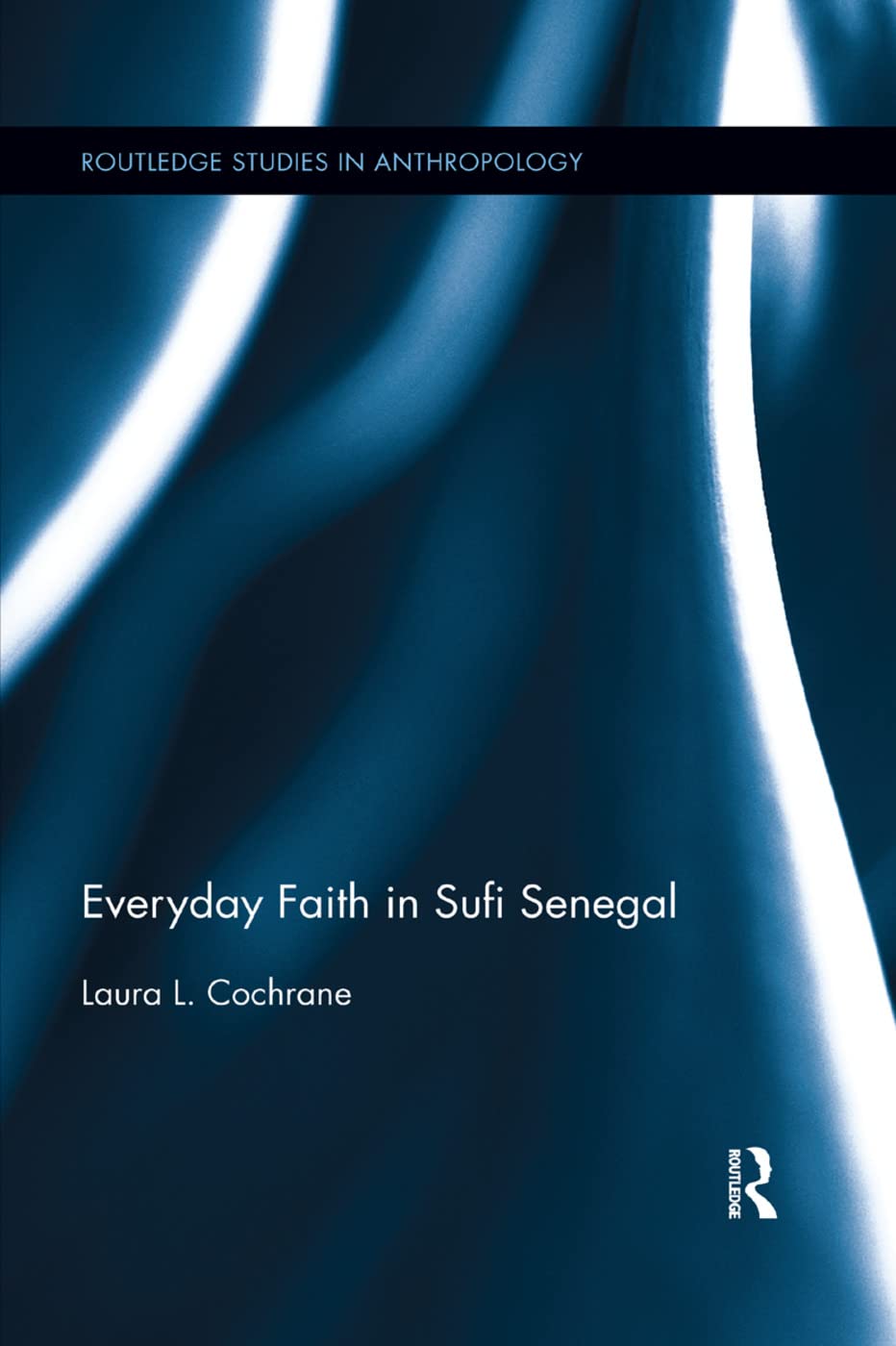
Everyday Faith in Sufi Senegal - Ethnographic Laura
Everyday Faith in Sufi Senegal - Ethnographic Laura
Price subject to change. Tap below for current.
Couldn't load pickup availability
Our review of Everyday Faith in Sufi Senegal finds it essential for readers who want an on-the-ground understanding of Islam in contemporary Senegal; the book stands out because it is built from seven years of ethnographic fieldwork and first-hand interviews that foreground everyday practitioners. Laura Cochrane writes with attention to religious diversity and social context, so scholars and students seeking a grounded, human-centred study of Sufism and local Islamic practices will find real value here.
Key Features
- Ethnographic depth: Seven years of fieldwork provide sustained, detailed observation that brings everyday religious practices to life for the reader.
- First-hand accounts: Interviews with men and women in both rural and urban settings give a wide range of personal perspectives on faith and ritual.
- Religious diversity: The book critically addresses the variety of Islamic beliefs and practices in Senegal rather than treating the faith as monolithic.
- Interdisciplinary relevance: Material is presented in a way that is useful to anthropology, Islamic studies, African studies and development scholars.
- Contextual analysis: Historical, cultural and economic contexts are woven into explanations, helping readers connect practice to broader social forces.
Who It's For
This book is best for graduate students, researchers and instructors in the anthropology of religion, African studies and Islamic studies who need a nuanced, field-based account of how Sufi beliefs are enacted in daily life. It will also suit policy analysts and development practitioners who want qualitative insight into local religious dynamics rather than abstract theory.
Readers looking for an accessible popular history or a short primer on Islam may find the book denser than expected; likewise, those wanting a comparative global survey of Sufism beyond Senegal should look for broader regional syntheses alongside this text.
Pros & Cons
Pros
- Rich, long-term fieldwork offers depth and credibility to the ethnographic narrative.
- Balanced presentation of voices from both rural and urban communities gives a broad social picture.
- Useful cross-disciplinary relevance makes it a helpful resource for multiple academic fields.
Cons
- The focus on detailed interviews and context can make the book challenging for casual readers seeking a brief overview.
Specifications
| Title | Everyday Faith in Sufi Senegal |
| Author | Laura Cochrane |
| Approach | Ethnographic fieldwork and interviews |
| Geographic focus | Senegal (rural and urban sites) |
| Subject areas | Anthropology, Islamic studies, African studies, development |
| Perspective | Everyday practitioners and lived religion |
Our Verdict
Everyday Faith in Sufi Senegal is a rigorous, well-grounded contribution that scholars and advanced students will value for its long-term ethnography and attention to local voices. It is good value for those seeking depth and qualitative detail on Islamic practice in Senegal, though casual readers should expect a dense, scholarly style.
Frequently Asked Questions
Does this book include interviews with both men and women?
Yes, the author draws on interviews from men and women across rural and urban settings to capture diverse perspectives.
Is the focus exclusively theological?
No, the book situates religious practice within historical, cultural and economic contexts rather than treating it as pure theology.
Who benefits most from reading this book?
Graduate students and researchers in anthropology, Islamic studies and African studies will gain the most from its ethnographic depth.
Editor's Take
A rigorous, field-based study that offers deep insight into everyday Islamic practice in Senegal; highly recommended for scholars and advanced students who need ethnographic depth.

Recently viewed
Recently viewed products will appear here as customers browse the store.