Exploring Animism in Southeast Asia: A Cultural Perspective
Exploring Animism in Southeast Asia: A Cultural Perspective
Price subject to change. Tap below for current.
Couldn't load pickup availability
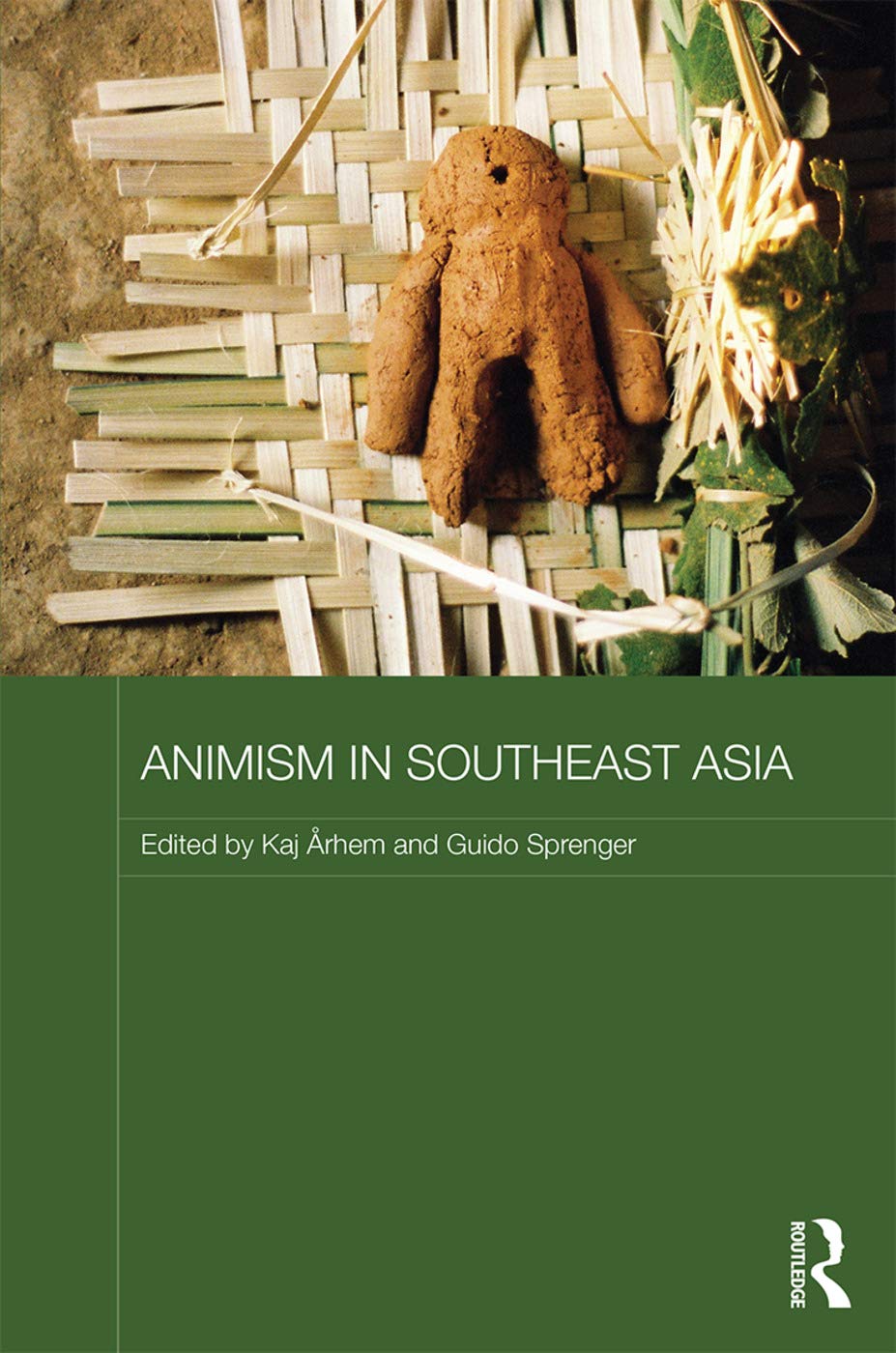
The book Animism in Southeast Asia offers a profound exploration of the intricate belief systems that shape the lives of many communities in the region. Authored by Kaj Arhem and Guido Sprenger, this insightful work delves into the rich tapestry of animistic traditions that have persisted through centuries.
One of the key themes of this book is the interconnection between nature and spirituality. The authors meticulously examine how various cultures perceive the natural world as imbued with spiritual significance. This perspective is crucial for understanding the cultural practices and rituals that are prevalent in Southeast Asian societies.
Furthermore, the book highlights the diversity of animistic beliefs across different ethnic groups. Each chapter provides a detailed account of how these beliefs manifest in daily life, from agricultural practices to social interactions. Readers will gain insights into the unique ways in which different communities honor their ancestors and the spirits of the land.
Another significant aspect covered in this work is the impact of modernization on traditional animistic practices. The authors discuss how globalization and urbanization have influenced these age-old beliefs, leading to both adaptations and resistances. This examination of the challenges faced by animistic traditions in contemporary society is particularly relevant in today's rapidly changing world.
In addition to theoretical discussions, Animism in Southeast Asia is rich with case studies that illustrate the practical implications of these beliefs. Through vivid storytelling and ethnographic research, the authors bring to life the experiences of individuals who navigate the complexities of maintaining their cultural heritage in a modern context.
The book also addresses the role of animism in environmental conservation. The authors argue that understanding these belief systems can lead to more effective strategies for preserving biodiversity. By recognizing the spiritual significance of nature, conservation efforts can be more culturally sensitive and impactful.
Overall, Animism in Southeast Asia is an essential read for anyone interested in anthropology, cultural studies, or Southeast Asian history. It provides a comprehensive overview of how animistic beliefs continue to shape identities and communities in the region. This book not only enriches our understanding of Southeast Asia but also invites readers to reflect on the broader implications of spirituality and nature in their own lives.
Share