

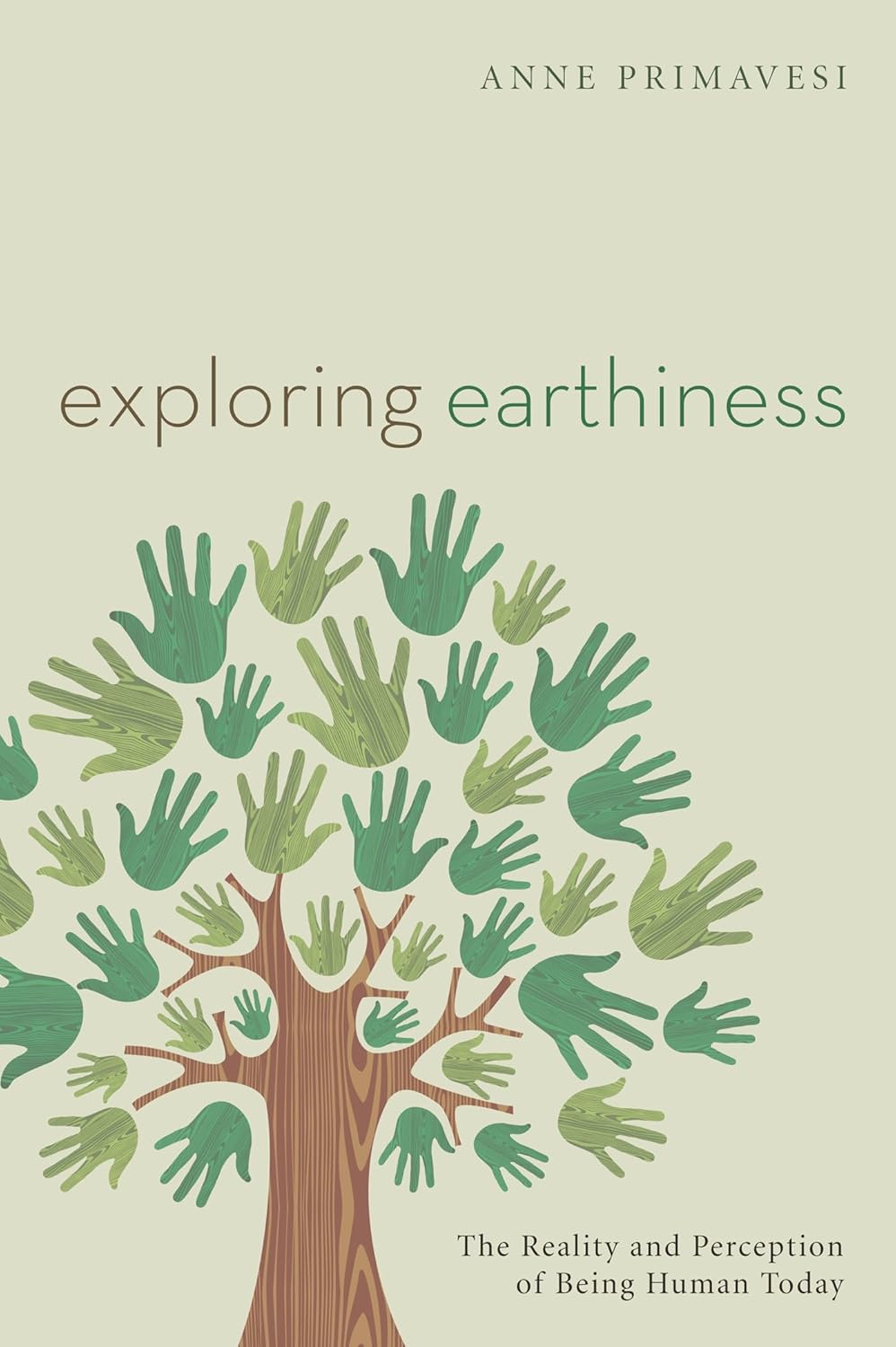
Exploring Earthiness: The Reality and Perception of Being Human Today
Exploring Earthiness: The Reality and Perception of Being Human Today
Price subject to change. Tap below for current.
Couldn't load pickup availability
In this review of Exploring Earthiness: The Reality and Perception of Being Human Today, the authors' central claim reshapes how readers think about identity, ethics, and stewardship by asking them to see themselves as part of Earth rather than masters of it. This book is for thoughtful readers of religion, philosophy, and environmental ethics who want an argument-driven, reflective text that challenges assumptions inherited from thinkers like John Locke. The single biggest reason to read it is its steady reframing of human identity in light of contemporary science and the moral consequences that follow.
Key Features
- Perspective shift: The book offers a sustained argument that seeing humans as part of Earth transforms familiar religious and cultural self-perceptions, prompting readers to reassess ethical priorities.
- Historical critique: It traces how John Locke's doctrine treating Earth as human property has shaped modern attitudes toward resources and other-than-human life, helping readers understand present dilemmas.
- Interdisciplinary approach: By combining religious, philosophical, cultural, and political lenses, the text provides a multifaceted account useful to readers from different backgrounds.
- Scientific grounding: Contemporary findings about evolution and earthly life are used to remind readers that humans belong to Earth, not the other way around, strengthening the book's practical claims.
- Ethical implications: The authors draw clear connections between worldview and action, making the book a resource for those seeking stewardship-oriented perspectives.
Who It's For
This book is best suited for readers engaged with religion and environmental ethics, including clergy, students, and lay readers who value reflective, argument-based writing rather than quick devotional material. It is also useful for people curious about how philosophical doctrines influence ecological policy and practice.
Those looking for a technical scientific textbook, hands-on conservation manual, or devotional Christian living guide should look elsewhere, because this work emphasizes conceptual reframing and ethical critique over procedural instructions or scripture-based how-to content.
Pros & Cons
Pros
- Thought-provoking reframing of human identity that encourages readers to rethink stewardship and responsibility.
- Clear critique of historical ideas like Locke's property doctrine, which illuminates how cultural assumptions affect environmental outcomes.
- Interdisciplinary use of religious, philosophical, and scientific perspectives gives the argument broader relevance.
Cons
- The book focuses on conceptual and ethical argument more than practical guidance, so readers seeking step-by-step policy or action plans may find it limited.
Specifications
| Title | Exploring Earthiness: The Reality and Perception of Being Human Today |
| Authors | Anne Primavesi, Pui-Lan Kwok |
| Subject | Religion & Spirituality; Environmental Ethics |
| Focus | Human identity, stewardship, and critique of property doctrine |
| Approach | Interdisciplinary (religious, philosophical, cultural, scientific) |
| Recommended readers | Clergy, students, and reflective readers interested in ethics |
Our Verdict
Exploring Earthiness is a rewarding read for anyone who wants a thoughtful, interdisciplinary critique of how Western ideas about property and human exceptionality have shaped environmental harm. It is good value for readers seeking conceptual clarity and ethical urgency, though those needing practical conservation steps should supplement it with policy or action-focused works.
Frequently Asked Questions
Does the book argue from a religious perspective?
The book engages religious traditions as part of its interdisciplinary critique but combines those with philosophical and scientific arguments rather than offering a single theological position.
Is this a scientific text?
No, it is not a technical science book; it uses contemporary scientific findings to support ethical and philosophical claims about belonging to Earth.
Will this help with practical stewardship?
It clarifies ethical foundations for stewardship and responsibility but does not provide detailed practical how-to guidance, so pair it with practical resources for action.
Editor's Take
Exploring Earthiness offers a thoughtful interdisciplinary critique of human exceptionalism and Locke-inspired property doctrine, urging readers to adopt an Earth-centered ethic; it is ideal for those seeking conceptual clarity though not a how-to guide.

Recently viewed
Recently viewed products will appear here as customers browse the store.