

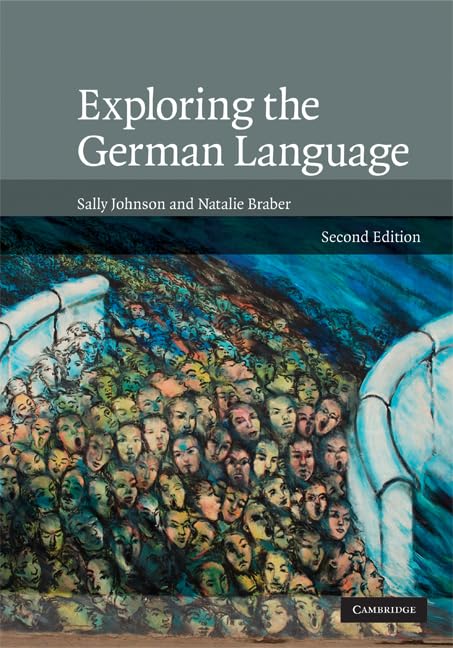
Exploring the German Language - Clear Introductory Study
Exploring the German Language - Clear Introductory Study
Price subject to change. Tap below for current.
Couldn't load pickup availability
In this review of Exploring the German Language, the bottom line is straightforward: this revised edition is best for students and general readers who want a methodical, social-context approach to German without prior linguistic training. The book's single biggest selling point is its combination of accessible explanations and practical exercises that ground each topic; the updated sections on gender, purism and German unification give contemporary relevance while the refreshed geography chapter helps readers understand language variation in place. Overall, it reads like a classroom-friendly reference that also works for self-study.
Key Features
- Systematic approach: The text presents language topics in a logical order so readers can build an understanding of German structure step by step.
- Social context: Chapters link linguistic description to social aspects, including dialects and modern uses, helping learners see language in living context.
- Updated content: New material on gender, purism and German unification keeps the edition relevant to current scholarly and cultural discussions.
- Practical exercises: Each chapter includes exercises that let students practice analysis and reinforce concepts introduced in the chapter.
- No prior linguistics required: Explanations assume no background, making the book accessible to undergraduates and curious readers.
Who It's For
Exploring the German Language is ideal for undergraduate students in language, linguistics, or German studies who need a readable introduction that ties structure to social meaning. It also suits adult learners and teachers looking for classroom materials with exercises ready to assign.
Those seeking an advanced, technical reference on phonology or syntax may want a specialist textbook instead; similarly, readers who need a phrasebook or beginner conversation guide should look for resources focused on spoken practice rather than linguistic analysis.
Pros & Cons
Pros
- Accessible explanations make core concepts of German linguistics approachable for newcomers.
- Updated sections on gender and unification provide contemporary context for language change and attitudes.
- Chapter exercises offer practical reinforcement useful for coursework and self-study.
Cons
- The book is introductory in scope and does not replace specialist monographs for in-depth theoretical work.
Specifications
| Title | Exploring the German Language |
| Authors | Sally Johnson, Natalie Braber |
| Edition | Fully revised and updated edition |
| Content focus | Systematic study with social aspects, dialects, history, geography |
| Audience | Students and general readers; no prior linguistics required |
| Includes | Practical exercises with each chapter |
Our Verdict
This revised edition of Exploring the German Language is a solid, classroom-ready introduction that balances structural description with social context. Students and teachers will find it good value for study and assignments, while self-learners benefit from the clear writing and chapter exercises that make abstract points concrete.
Frequently Asked Questions
Do I need previous linguistics experience?
No. The book is written for readers without prior linguistic training and explains concepts accessibly.
Does this cover modern German issues?
Yes. The edition adds sections on gender, purism and German unification to address current social and linguistic topics.
Are there exercises for classroom use?
Yes. Each chapter includes practical exercises designed for study and classroom assignments.
Editor's Take
This revised edition is a classroom-ready, accessible introduction that links German structure to social context; ideal for students and self-learners who want practical exercises and contemporary coverage.

Recently viewed
Recently viewed products will appear here as customers browse the store.