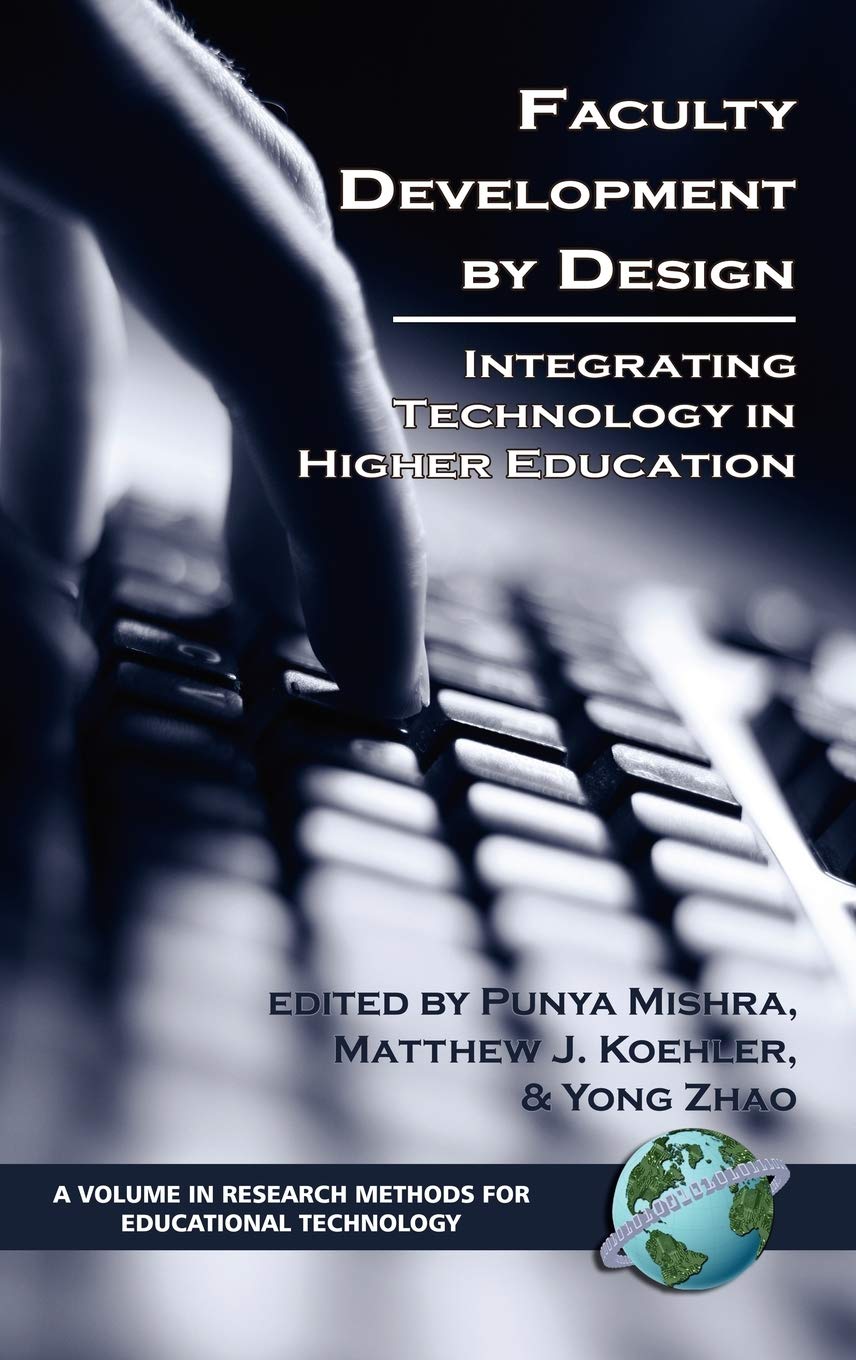
Faculty Development by Design: Tech Integration in Higher Ed
Faculty Development by Design: Tech Integration in Higher Ed
Price subject to change. Tap below for current.
Couldn't load pickup availability
In today's rapidly evolving educational landscape, Faculty Development by Design emerges as a crucial resource for educators aiming to enhance their teaching methodologies. This comprehensive guide focuses on the integration of technology in higher education, providing valuable insights for faculty members at all levels.
The authors, Punya Mishra, Leslie David Burns, Matthew J Koehler, and Yong Zhao, bring a wealth of experience and knowledge to the table. Their collaborative effort results in a book that not only addresses the challenges faced by educators but also offers practical solutions for effective technology integration.
One of the standout features of this book is its emphasis on research-based practices. The authors delve into various educational technology methods that have been proven to enhance student engagement and learning outcomes. By grounding their recommendations in solid research, they provide a trustworthy framework for faculty development.
Moreover, the book is structured to facilitate easy navigation through its key concepts. Each chapter is designed to build upon the last, ensuring that readers can follow along without feeling overwhelmed. This thoughtful organization makes it an ideal resource for both new and experienced educators looking to refine their skills in higher education technology.
Another significant aspect of the book is its focus on innovation. The authors encourage educators to embrace new technologies and pedagogical approaches, fostering a culture of innovation in teaching. This mindset is essential for educators who wish to remain relevant in an increasingly digital world.
Additionally, the book includes case studies and real-world examples that illustrate the successful application of the strategies discussed. These practical illustrations help to bridge the gap between theory and practice, making it easier for educators to implement the ideas presented. The inclusion of such real-world applications enhances the book's value as a practical guide.
Furthermore, the authors address the importance of collaboration among faculty members. They highlight how working together can lead to more effective faculty development programs and ultimately improve the educational experience for students. This collaborative approach is vital in fostering a supportive learning environment.
In conclusion, Faculty Development by Design is an essential read for anyone involved in higher education. Its focus on integrating technology, fostering innovation, and promoting collaboration makes it a standout resource. Whether you are a seasoned educator or just starting your journey, this book will equip you with the tools and knowledge necessary to thrive in the modern educational landscape.
Share