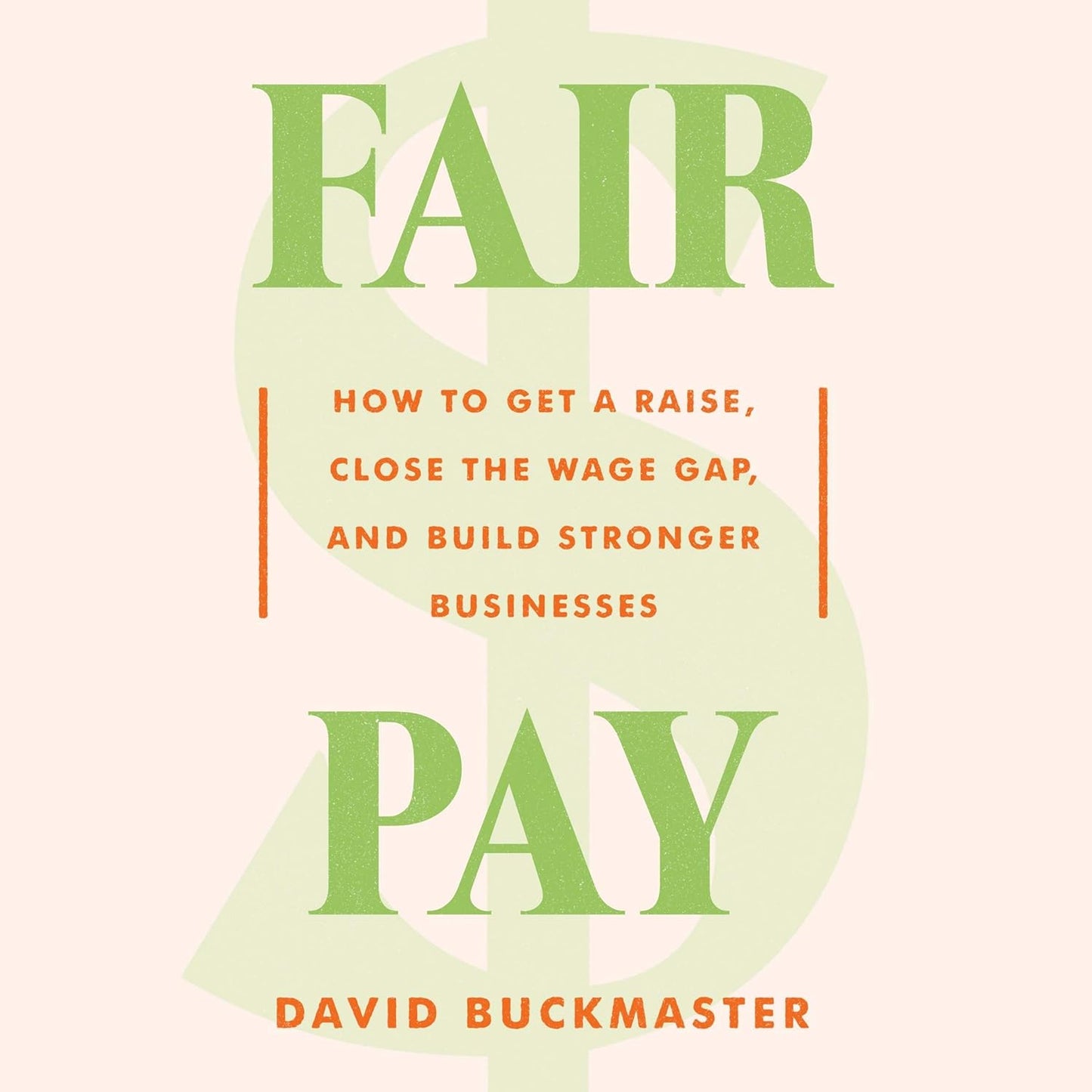
Fair Pay: How to Get a Raise and Close the Wage Gap Effectively
Fair Pay: How to Get a Raise and Close the Wage Gap Effectively
Price subject to change. Tap below for current.
Couldn't load pickup availability
In today's competitive job market, understanding how to achieve fair pay is crucial for professionals at all levels. David Buckmaster's insightful book, Fair Pay: How to Get a Raise, Close the Wage Gap, and Build Stronger Businesses, provides readers with the tools and strategies necessary to navigate the complexities of salary negotiations and wage disparities.
This comprehensive guide delves into the intricacies of wage gap issues, offering practical advice on how to advocate for yourself in the workplace. Buckmaster emphasizes the importance of research and preparation, encouraging readers to gather data on industry standards and salary benchmarks before entering negotiations.
One of the standout features of this book is its focus on building stronger businesses through equitable pay practices. Buckmaster argues that organizations that prioritize fair compensation not only foster a more inclusive work environment but also enhance employee satisfaction and retention. This perspective is essential for both employees seeking raises and employers aiming to attract top talent.
Throughout the book, readers will find actionable tips on how to approach conversations about pay with confidence. Buckmaster shares real-world examples and case studies that illustrate successful negotiation tactics, making it easier for readers to apply these strategies in their own careers. The emphasis on getting a raise is particularly relevant for those who feel undervalued in their current roles.
Moreover, Buckmaster addresses the emotional aspects of discussing salary, helping readers to overcome the fear and anxiety often associated with these conversations. By reframing the narrative around salary discussions, he empowers individuals to advocate for themselves effectively.
The book also explores the broader implications of wage inequality, shedding light on how systemic issues contribute to the wage gap. Buckmaster encourages readers to not only focus on their personal situations but also to consider how they can contribute to a more equitable workplace culture.
In conclusion, Fair Pay is an essential read for anyone looking to improve their financial standing and contribute to a fairer work environment. David Buckmaster's expertise and practical advice make this book a valuable resource for navigating the often challenging landscape of salary negotiations and wage equity.
Share