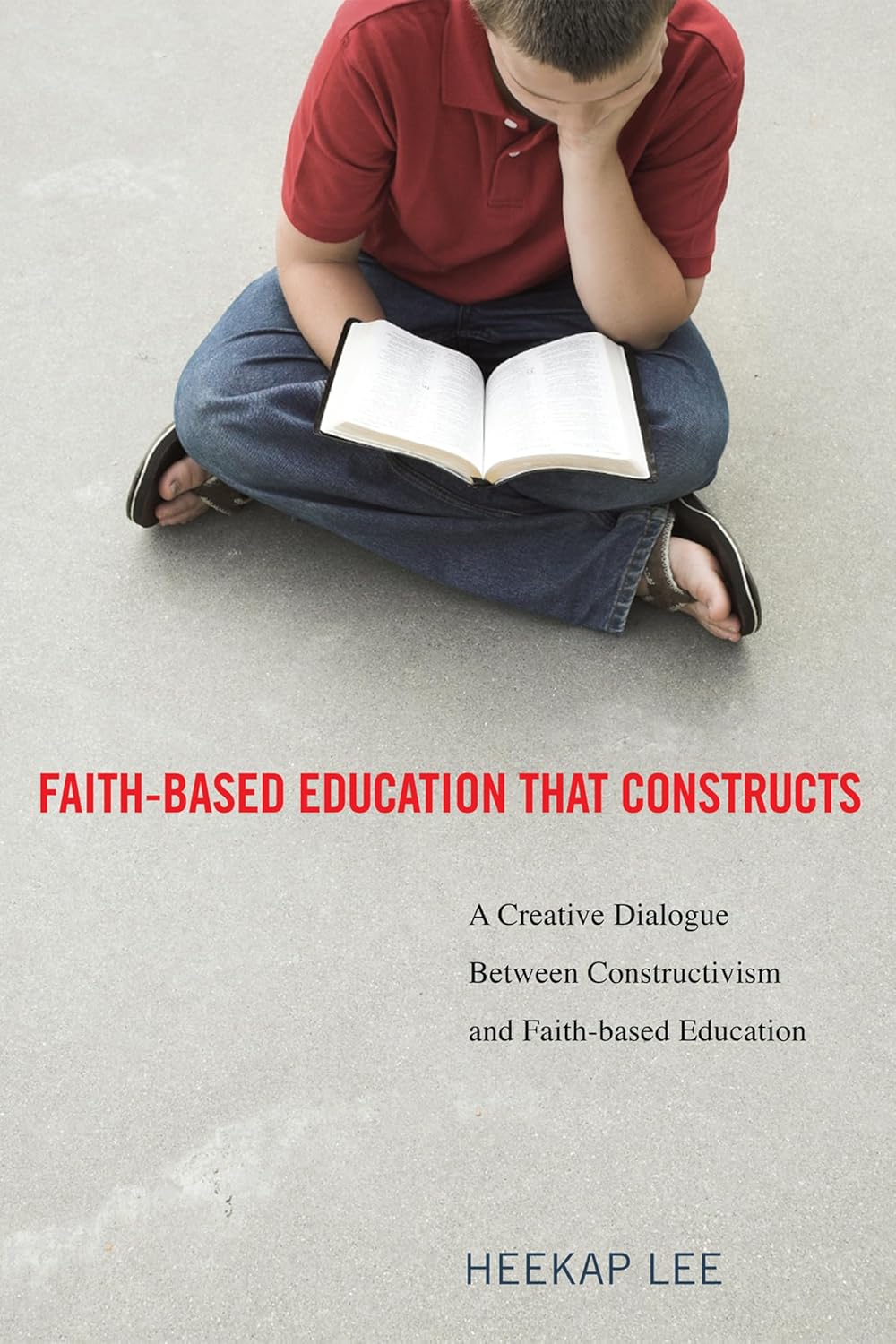
Faith-Based Education That Constructs: A Creative Dialogue on Learning
Faith-Based Education That Constructs: A Creative Dialogue on Learning
Price subject to change. Tap below for current.
Couldn't load pickup availability
The book Faith-Based Education That Constructs by Heekap Lee offers a unique perspective on the intersection of faith and education. It delves into the principles of constructivism and how they can be harmoniously integrated with faith-based learning. This innovative approach encourages educators to rethink traditional methods and embrace a more holistic view of teaching.
In today's diverse educational landscape, the need for creative dialogue between different pedagogical approaches is more crucial than ever. Lee's work emphasizes the importance of understanding how faith can enrich the learning experience, providing a framework that supports both spiritual and intellectual growth.
One of the standout features of this book is its practical application. Lee provides educators with tools and strategies to implement constructivist principles in faith-based settings. This includes engaging students in meaningful discussions, fostering critical thinking, and encouraging collaborative learning environments.
Moreover, the book addresses common challenges faced by educators in faith-based institutions. It offers insights into how to navigate the complexities of integrating faith and education without compromising the integrity of either. Lee's thoughtful analysis helps educators find balance and create a nurturing atmosphere for their students.
Another key aspect of the book is its emphasis on the role of community in education. Lee argues that a strong sense of community can enhance the learning experience, making it essential for educators to cultivate relationships among students, parents, and faculty. This community-oriented approach is vital for fostering a supportive environment where students can thrive.
Additionally, the book explores the impact of spiritual development on academic success. Lee presents compelling evidence that when students' spiritual needs are met, they are more likely to excel academically. This connection between faith and learning is a central theme throughout the book, making it a valuable resource for educators seeking to enhance their teaching practices.
In conclusion, Faith-Based Education That Constructs is a thought-provoking read that challenges conventional educational paradigms. Heekap Lee's insights into the relationship between constructivism and faith-based education provide a fresh perspective that is both practical and inspiring. This book is a must-read for educators, administrators, and anyone interested in the future of faith-based learning.
Share