Regular price
$228.14 USD
Price subject to change. Tap below for current.
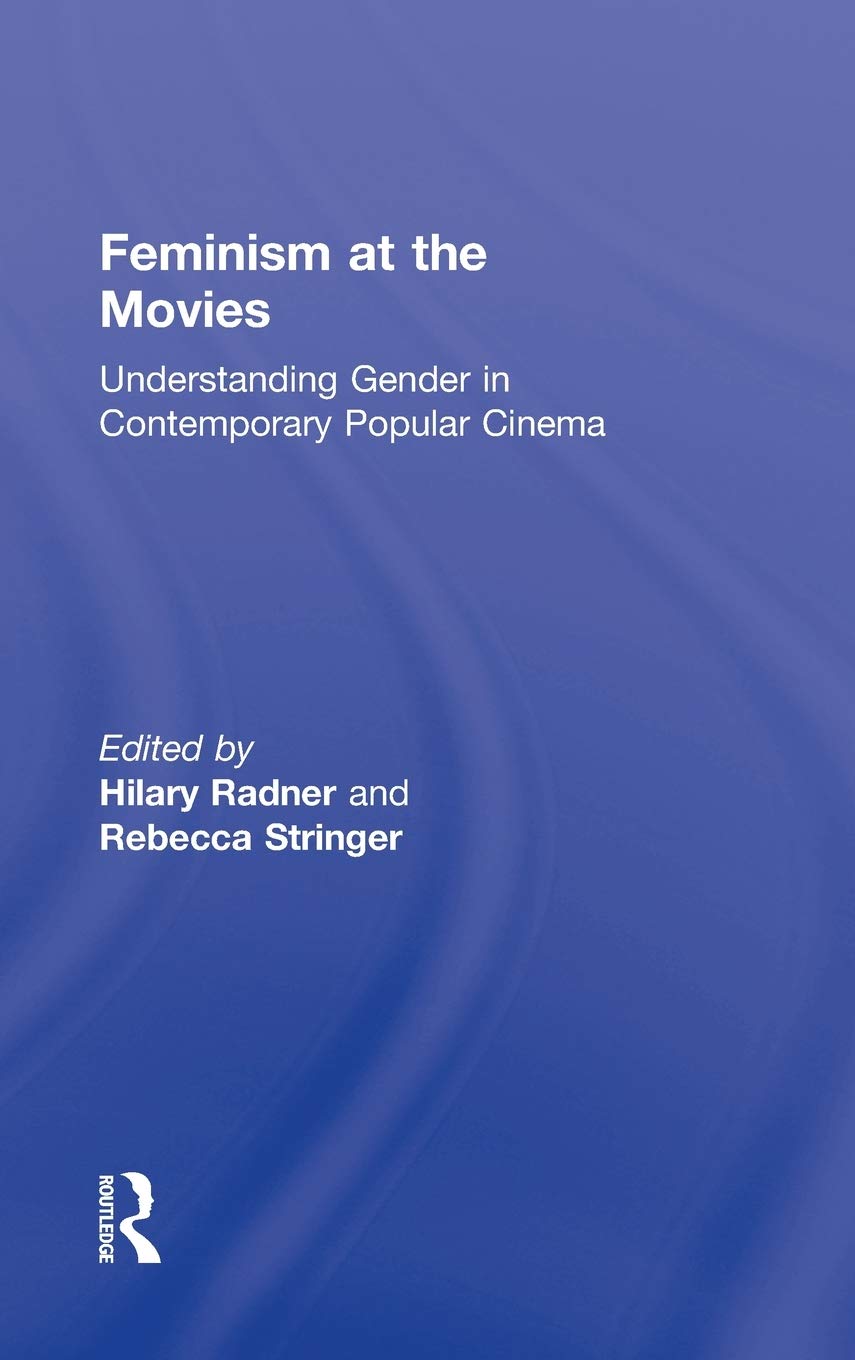
Feminism at the Movies is an insightful exploration of how gender is represented in contemporary popular cinema. This book, authored by Hilary Radner and Rebecca Stringer, delves into the intricate relationship between film and feminism, offering readers a comprehensive understanding of the evolving portrayal of women on screen.
In today's cinematic landscape, the depiction of gender roles has become a critical topic of discussion. Radner and Stringer analyze various films, highlighting how they reflect and challenge societal norms. The authors provide a thorough examination of key films that have shaped feminist discourse, making this book a valuable resource for both film enthusiasts and scholars.
One of the standout features of this book is its ability to connect theoretical frameworks with practical examples from popular cinema. Readers will appreciate how the authors weave together academic insights with accessible language, making complex ideas easy to grasp. This approach not only enriches the reading experience but also encourages critical thinking about the films we watch.
The authors also address the impact of intersectionality on film narratives, emphasizing how race, class, and sexuality intersect with gender in cinematic representations. This nuanced perspective allows readers to understand the multifaceted nature of identity and its portrayal in film, fostering a deeper appreciation for the art form.
Additionally, the book includes a variety of case studies that showcase iconic female characters and their significance in the context of feminist theory. By analyzing these characters, Radner and Stringer reveal how they challenge traditional stereotypes and pave the way for more diverse representations in cinema.
Feminism at the Movies is not just for academics; it is also a must-read for anyone interested in popular culture and its implications on gender discourse. The authors encourage readers to engage with films critically, fostering a sense of awareness about the messages conveyed through visual storytelling.
In conclusion, this book serves as an essential guide for understanding the complexities of gender in contemporary cinema. With its engaging writing style and thorough analysis, Feminism at the Movies is a significant contribution to the field of film studies and feminist theory. Whether you are a student, a film buff, or simply curious about the intersection of gender and cinema, this book is sure to enlighten and inspire.