

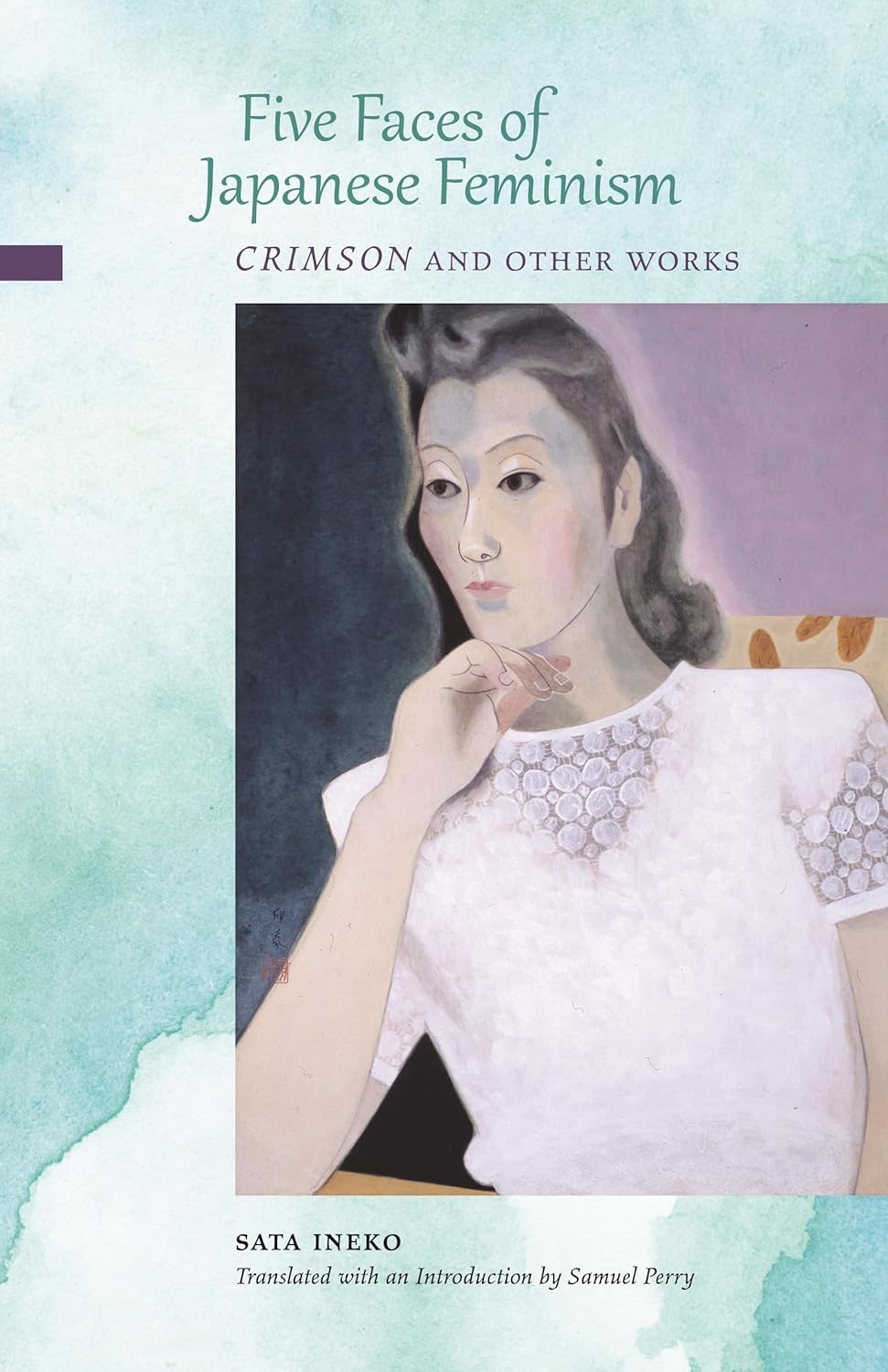
Five Faces of Japanese Feminism: Crimson and Other Works - Short
Five Faces of Japanese Feminism: Crimson and Other Works - Short
Price subject to change. Tap below for current.
Couldn't load pickup availability
Our review of Five Faces of Japanese Feminism: Crimson and Other Works finds it a quietly powerful collection for readers interested in 20th century Japanese social history and women's perspectives. This volume gathers stories by Sata Ineko that center women often left out of sympathetic fiction - cafe waitresses, activists, a novelist, a soldier's wife and single women in Korea - and the most compelling reason to buy is the author's empathetic realism, which replaces tired erotic tropes with complex, lived dilemmas. For readers seeking literary portraits that double as historical witness, this book delivers consistent emotional and cultural insight.
Key Features
- Author focus: The collection showcases Sata Ineko's short fiction across two decades, offering a broad view of her development and recurring concerns.
- Diverse protagonists: Stories center on women in varied roles, allowing readers to see the social pressures faced by cafe workers, activists and spouses in different settings.
- Historical range: The translations span key twentieth-century events and themes, grounding personal stories in larger historical change.
- Thematic depth: The writing challenges cliche9d images such as the geisha and schoolgirl, presenting more nuanced, authentic female experiences.
- Representative novella: The inclusion of works like Cafe Kyoto (1929) provides a longer narrative that captures the era's economic and social fallout.
Who It's For
This collection is ideal for readers of literary fiction and cultural history who want character-driven stories that illuminate women's lives in modernizing Japan and its colonies. Translational readers and scholars of Asian literature will appreciate the span of decades and the way personal narrative intersects with political and economic change.
Readers seeking plot-driven genre fiction, light entertainment, or contemporary settings may want to look elsewhere; this book rewards patient reading and attention to social nuance rather than fast-paced action.
Pros & Cons
Pros
- The portraits are empathetic and counter common eroticized stereotypes, giving historically underrepresented women fuller humanity.
- The stories cover a long time span, making the collection useful for readers interested in thematic continuity and historical context.
- Inclusion of a notable novella like Cafe Kyoto gives readers both short and longer forms to engage with.
Cons
- The tone is often reflective and restrained, which may feel slow to readers expecting overt drama or fast pacing.
Specifications
| Title | Five Faces of Japanese Feminism: Crimson and Other Works |
| Author | Sata Ineko (1904-1998) |
| Editor/Translator | Samuel Perry (brand associated) |
| Content | Collection of short fiction and a novella spanning two decades |
| Notable story | Cafe Kyoto (1929) |
| Themes | Women's lives, activism, labor, colonial Korea, artistic struggle |
Our Verdict
Five Faces of Japanese Feminism offers thoughtful, well-translated portraits that push back against stereotyping and illuminate women's social dilemmas across a turbulent historical period. It is well worth buying for readers of literary and regional fiction who value character-driven insight and cultural context; its depth and thematic consistency make it good value for study and close reading.
Frequently Asked Questions
Is this a single-author collection?
Yes. The book collects short fiction and a novella by Sata Ineko spanning roughly two decades of her work.
Does it include longer works as well as short stories?
Yes. The volume includes both shorter stories and a longer novella, with Cafe Kyoto (1929) highlighted.
Is this collection suited for historical study?
Yes. The stories engage with major twentieth-century events and themes, making the collection useful for readers interested in history and criticism of the region.
Editor's Take
Five Faces of Japanese Feminism is a thoughtful collection of Sata Ineko stories that replaces stereotype with empathetic, historically grounded portraits; recommended for readers of literary and regional fiction.

Recently viewed
Recently viewed products will appear here as customers browse the store.