FMEA with Uncertainty Theories and MCDM for Analysis
FMEA with Uncertainty Theories and MCDM for Analysis
Price subject to change. Tap below for current.
Couldn't load pickup availability
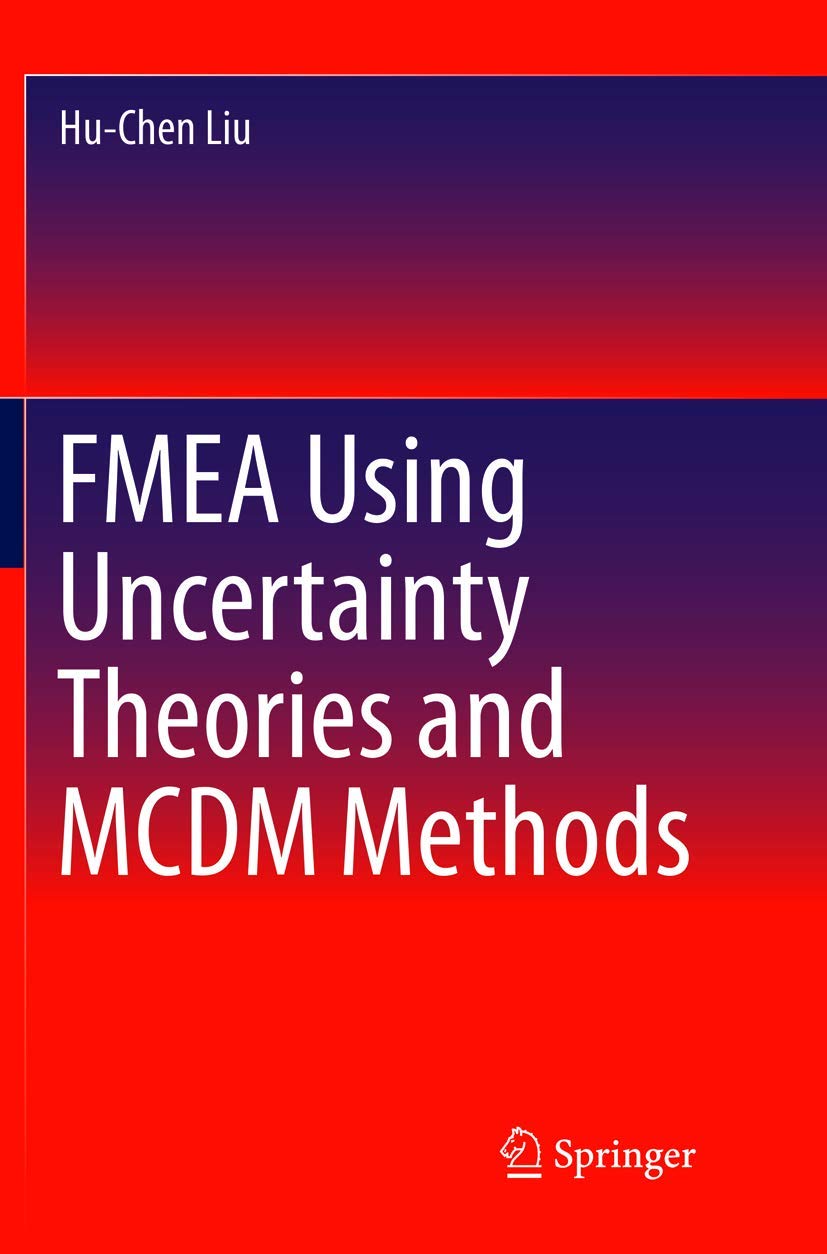
The book FMEA Using Uncertainty Theories and MCDM Methods is a comprehensive guide that delves into the intricate world of Failure Mode and Effects Analysis (FMEA). This text is essential for professionals seeking to enhance their understanding of risk assessment in various industries. The author, Hu-Chen Liu, presents a unique approach that integrates uncertainty theories with Multi-Criteria Decision Making (MCDM) methods, making it a valuable resource for engineers and managers alike.
One of the standout features of this book is its focus on uncertainty theories, which are crucial for accurately assessing risks. Traditional FMEA often overlooks the complexities introduced by uncertainty, but this book addresses these gaps effectively. Readers will appreciate the detailed explanations and practical examples that illustrate how to apply these theories in real-world scenarios.
The integration of MCDM methods into FMEA is another highlight. This combination allows for a more nuanced analysis of potential failures, enabling decision-makers to prioritize risks based on multiple criteria. The author provides step-by-step guidance on implementing these methods, ensuring that readers can apply the concepts with confidence.
Throughout the book, Liu emphasizes the importance of a systematic approach to risk management. The chapters are well-structured, making it easy for readers to follow along and grasp complex concepts. Each section builds on the previous one, culminating in a comprehensive understanding of how to conduct effective FMEA using modern techniques.
Additionally, the book includes numerous case studies that demonstrate the practical application of the theories discussed. These real-life examples help to solidify the reader's understanding and showcase the effectiveness of the FMEA process when combined with uncertainty theories and MCDM methods. The insights gained from these case studies are invaluable for anyone looking to implement these strategies in their own work.
Moreover, the author addresses common challenges faced during the FMEA process and provides practical solutions. This proactive approach equips readers with the tools needed to navigate potential pitfalls and enhance their analysis. The emphasis on continuous improvement and adaptation is a key takeaway from this book.
In conclusion, FMEA Using Uncertainty Theories and MCDM Methods is an essential resource for professionals in risk management and engineering. Its innovative approach and practical insights make it a must-read for anyone looking to improve their FMEA processes. Whether you are a seasoned expert or new to the field, this book will provide you with the knowledge and skills needed to excel in risk analysis.
Share