

Food Safety after Fukushima - Scientific Citizenship and Risk Politics
Food Safety after Fukushima - Scientific Citizenship and Risk Politics
Price subject to change. Tap below for current.
Couldn't load pickup availability
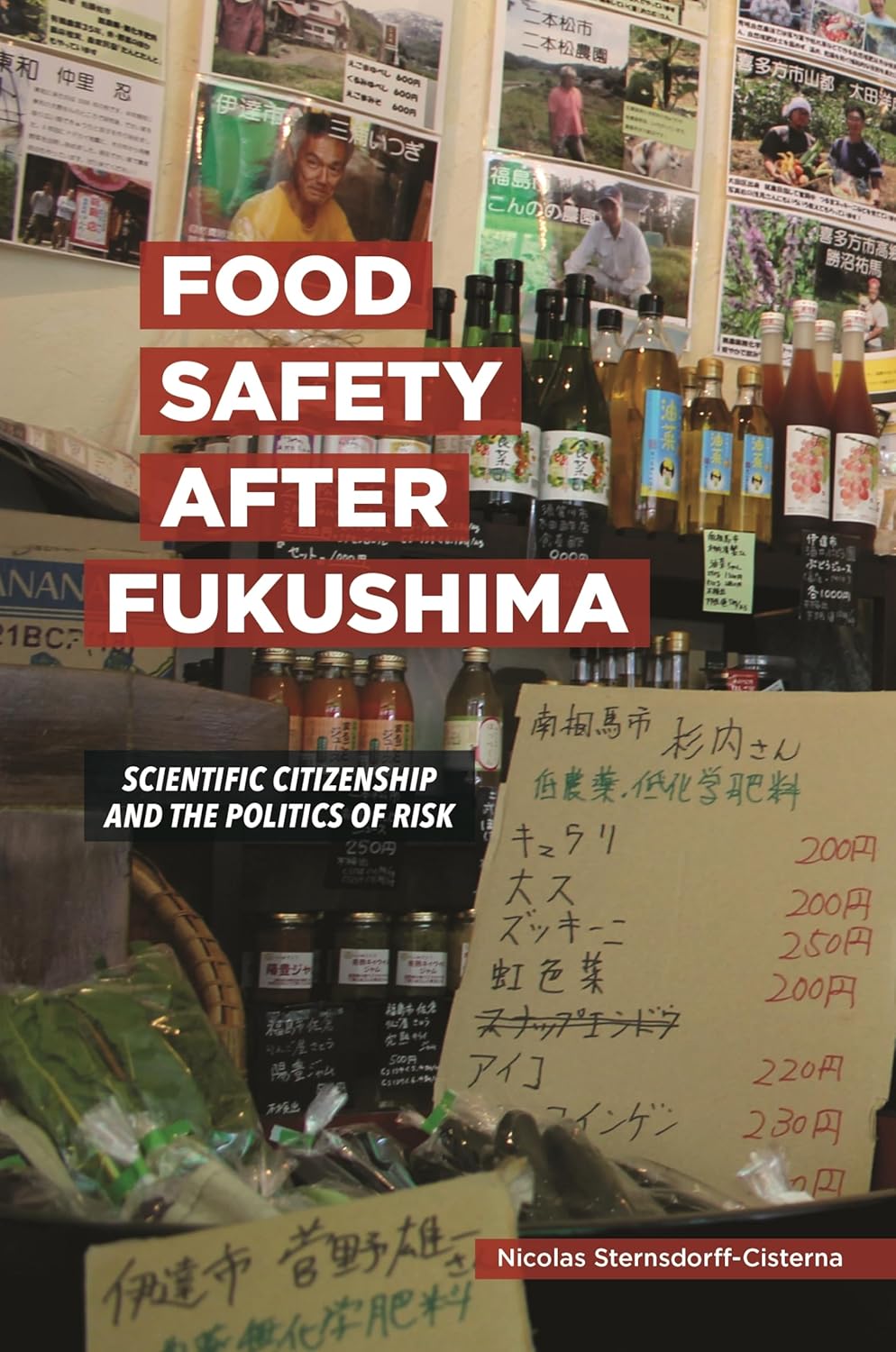
In this review of Food Safety after Fukushima, readers who follow environmental policy, public health, or Japanese politics will find a thoughtful, research-driven account of how ordinary citizens responded to the 2011 nuclear crisis. Nicolas Sternsdorff-Cisterna traces how food became the primary arena where people sought to control exposure to radiation, and the book offers a clear explanation of how public trust and scientific literacy shaped everyday decision making. The bottom line: this is a focused, evidence-based study that benefits students and professionals wanting a case study of scientific citizenship in action.
Key Features
- Focus on food: The book examines how food emerged as the central site where citizens evaluated and limited risks after the Fukushima meltdown.
- Citizen perspective: It documents how residents informed themselves and made independent assessments about safety, illustrating grassroots engagement with science.
- Political context: The narrative evaluates the relationship between government reassurances and public skepticism, showing the politics behind risk communication.
- Case study approach: By concentrating on post-2011 Japan, the book supplies a concrete example useful for comparisons with other environmental crises.
- Accessible analysis: The prose presents complex interactions between science, policy, and everyday choices in a way readable for non-specialists.
Who It's For
This book is best for students and scholars of public policy, science and technology studies, and contemporary Japanese politics who need a concise case study of how publics respond to technological risk. It will also suit public health practitioners interested in community-level responses to contamination and how trust in institutions influences behavior.
Readers looking for a technical manual on radiation measurement or a broad history of the Fukushima disaster may want to look elsewhere; the book is specialized on the social processes around food safety rather than on technical radiological detail or comprehensive disaster chronology.
Pros & Cons
Pros
- Clear emphasis on how ordinary people exercised agency around food choices, illustrating risk perception in practice.
- Well-argued link between governmental communication and citizen responses, useful for policy analysis.
- Concentrated case study format makes it a manageable read for classroom use or seminars.
Cons
- Limited technical detail on radiation measurement may frustrate readers seeking scientific procedures rather than social analysis.
Specifications
| Title | Food Safety after Fukushima: Scientific Citizenship and the Politics of Risk |
| Author | Nicolas Sternsdorff-Cisterna |
| Subject focus | Food safety and public response after the 2011 nuclear meltdown |
| Geographic focus | Japan, post-March 2011 |
| Perspective | Social and political analysis of citizen behavior |
| Intended audience | Students, scholars, and practitioners in policy and public health |
Our Verdict
Food Safety after Fukushima is a focused, evidence-driven study that excels at showing how citizens navigated risk through food choices; it is good value for readers who want a sociopolitical lens on the crisis and a compact case study useful in courses or policy discussions.
Frequently Asked Questions
Does the book explain radiation science?
The book emphasizes social responses to risk and does not serve as a technical primer on radiation measurement.
Who authored the analysis?
Nicolas Sternsdorff-Cisterna is the author and frames the work around citizen reactions and political communication after Fukushima.
Is the focus national or local?
The analysis centers on post-2011 Japan and uses food safety debates to explore national and local dynamics of trust and action.
Editor's Take
Food Safety after Fukushima is a focused, evidence-driven sociopolitical study showing how citizens navigated risk through food choices; recommended for students and practitioners seeking a compact case study.
Recently viewed
Recently viewed products will appear here as customers browse the store.