

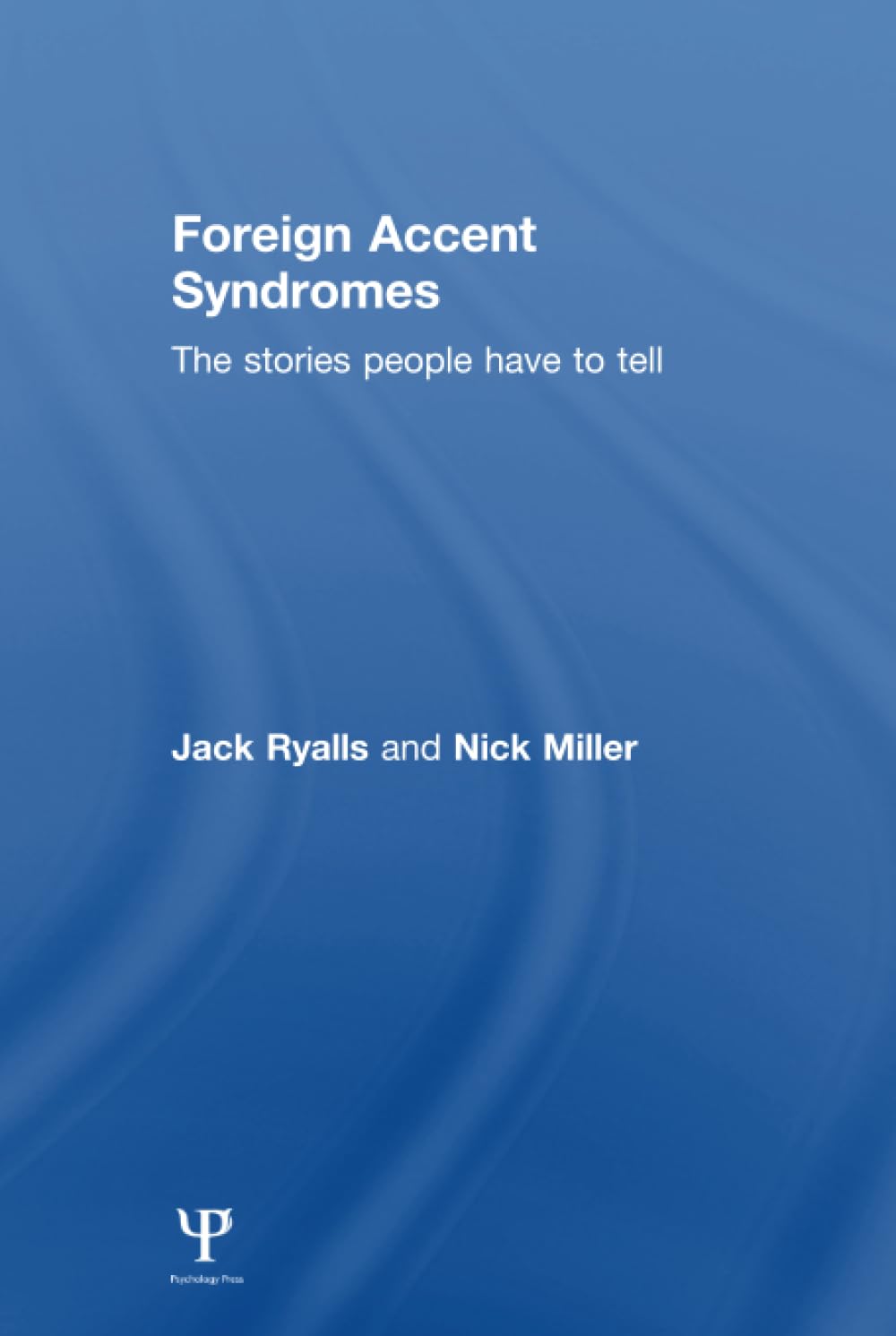
Foreign Accent Syndromes - Insightful Neuropsychology
Foreign Accent Syndromes - Insightful Neuropsychology
Price subject to change. Tap below for current.
Couldn't load pickup availability
In this review of Foreign Accent Syndromes, the reviewer recommends the book for readers seeking a careful, human-centered exploration of a rare neurological speech disorder. The book offers a unique blend of first-person testimony and scientific commentary that makes the subject accessible without oversimplifying the neuroscience. For clinicians, students and curious general readers the single biggest reason to read it is its rare combination of lived experience and explanatory context that clarifies how changes in brain function can alter accent and identity.
Key Features
- First-person testimony: Multiple personal accounts give vivid, varied perspectives on how FAS affects daily life and self-perception.
- Scientific commentary: Expert chapters place those testimonies within current neuropsychological understanding of speech production and perception.
- Comprehensive introduction: The book covers definition, phenomenology and a clear history of research so newcomers can follow the topic.
- Interdisciplinary approach: By linking brain mechanisms with listener perception, the text bridges neuroscience, linguistics and social psychology.
- Readable structure: The combination of narratives and explanation makes complex ideas accessible to non-specialists without losing depth.
Who It's For
Foreign Accent Syndromes is best suited to clinicians, speech-language pathologists, neuropsychology students and researchers who want a compact but thorough entry to the topic that combines clinical detail with patient voices. It will also appeal to informed general readers curious about how brain injury or neurological change can reshape speech and identity.
Readers seeking a clinical handbook with step-by-step treatment protocols or a heavily technical neuroscience monograph should look elsewhere; the book prioritizes explanation and lived experience over procedural rehabilitation manuals.
Pros & Cons
Pros
- Combines patient testimony with expert analysis to illuminate both experience and mechanism.
- Provides a clear definition and historical overview useful for newcomers to the field.
- Bridges perception and production, helping readers understand social and identity consequences of FAS.
Cons
- Not a treatment manual, so clinicians seeking protocols may need supplementary resources.
Specifications
| Title | Foreign Accent Syndromes |
| Authors | (Professor) Nick MillerJohn H. Ryalls |
| Subject | Foreign Accent Syndrome, neuropsychology |
| Content focus | Personal testimony and scientific commentary |
| Coverage | Definition, phenomenology and history of research |
| Intended audience | Clinicians, students, general readers |
Our Verdict
Foreign Accent Syndromes is a thoughtful, well-structured introduction that delivers rare first-person perspectives alongside competent scientific explanation. It is good value for clinicians and students who want to understand both how FAS presents and why it matters socially and neurologically, though those needing clinical protocols should supplement it.
Frequently Asked Questions
Does the book explain what causes FAS?
The text explains current thinking about neurological changes that alter speech production and perception while presenting cases that illustrate diverse causes.
Is this a clinical treatment guide?
No, the book focuses on description, testimony and scientific context rather than step-by-step rehabilitation protocols.
Who contributed the personal stories?
Individuals with foreign accent changes provide first-person testimony alongside expert commentary to illuminate lived experience.
Editor's Take
Foreign Accent Syndromes is a thoughtful, well-structured introduction combining first-person perspectives with scientific explanation; recommended for clinicians and students who want context and lived experience, though not a treatment manual.

Recently viewed
Recently viewed products will appear here as customers browse the store.