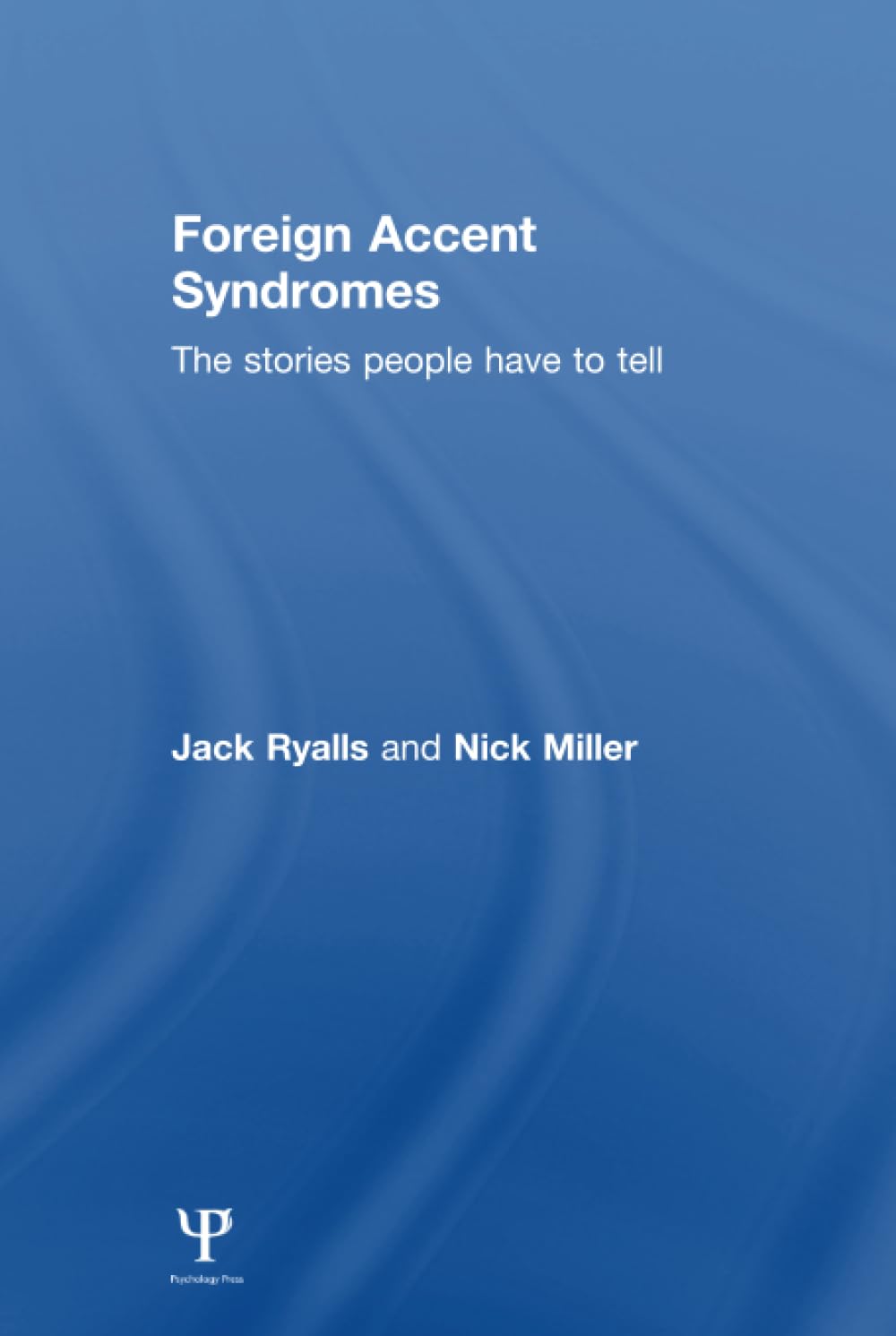
Foreign Accent Syndromes: Understanding Speech Disorders and More
Foreign Accent Syndromes: Understanding Speech Disorders and More
Price subject to change. Tap below for current.
Couldn't load pickup availability
The book Foreign Accent Syndromes by Professor Nick Miller and John H. Ryalls offers a fascinating exploration into the world of speech disorders. This comprehensive guide delves into the complexities of foreign accent syndromes, a rare condition that can alter a person's speech patterns unexpectedly. Readers will find a wealth of information that demystifies this intriguing phenomenon.
One of the standout features of this book is its thorough examination of the causes of foreign accent syndromes. The authors provide insights into how neurological conditions, trauma, and other factors can lead to this unexpected change in speech. This section is particularly enlightening for those interested in the intersection of language and brain function.
In addition to the scientific explanations, the book also includes numerous case studies that illustrate the real-life implications of foreign accent syndromes. These narratives help to humanize the condition, showcasing the challenges faced by individuals who experience this disorder. The authors do an excellent job of weaving in personal stories that highlight the emotional and psychological impact of speech disorders.
The writing style is accessible, making it suitable for both professionals in the field and lay readers. The authors have a knack for breaking down complex concepts into understandable terms, ensuring that the content is engaging and informative. This approach makes Foreign Accent Syndromes a valuable resource for anyone looking to deepen their understanding of speech and language issues.
Moreover, the book discusses the various treatment options available for those affected by foreign accent syndromes. From speech therapy techniques to innovative approaches, readers will gain insight into how professionals work to help individuals regain their original speech patterns. This section is particularly beneficial for practitioners seeking to expand their knowledge on treatment for speech disorders.
Another noteworthy aspect of the book is its exploration of the cultural implications of foreign accent syndromes. The authors examine how accents can influence identity and perception, shedding light on the social dynamics at play. This discussion adds depth to the understanding of language and identity, making it a thought-provoking read.
In conclusion, Foreign Accent Syndromes by Professor Nick Miller and John H. Ryalls is a must-read for anyone interested in the complexities of speech disorders. With its blend of scientific research, case studies, and cultural insights, this book provides a comprehensive overview that is both informative and engaging. Whether you are a student, a professional, or simply curious about the subject, this book is sure to enhance your understanding of foreign accent syndromes.
Share