

Forensic DNA Analysis - Practical Guide to Current Practices
Forensic DNA Analysis - Practical Guide to Current Practices
Price subject to change. Tap below for current.
Couldn't load pickup availability
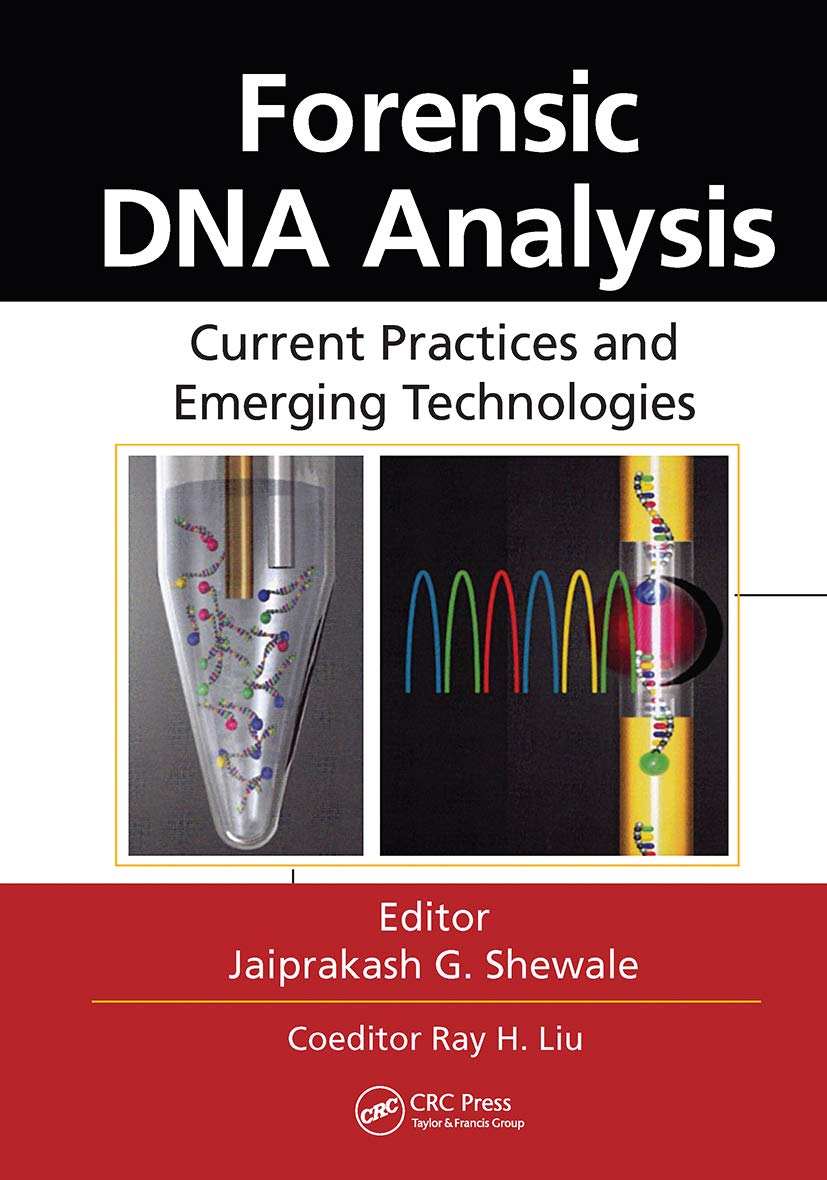
Our review of Forensic DNA Analysis finds it best suited to laboratory scientists, forensic practitioners, and advanced students seeking a detailed, method-focused reference. The book's biggest asset is its comprehensive coverage of how to recognize, collect, preserve, and genotype forensic biological samples, making it a practical companion for human identification work. Readers will appreciate clear explanations of routine applications such as paternity testing, DNA databasing, and identification of human remains alongside emerging technologies that impact laboratory workflows.
Key Features
- Coverage of DNA evidence handling: Explains how to properly recognize, document, collect, and store biological evidence to preserve integrity for downstream genotyping.
- DNA isolation methods: Describes widely adopted methods and best practices for isolating DNA from a variety of forensic samples and degraded human remains.
- Applications in HID laboratories: Details routine forensic uses including paternity testing, forensic casework, and DNA databasing to inform laboratory decision-making.
- Emerging technologies: Surveys newer approaches and technologies that laboratories should consider when updating workflows and expanding capabilities.
- Focus on practical principles: Balances fundamental principles with applied guidance to support both training and operational implementation in forensic settings.
Who It's For
The book is ideal for forensic scientists, laboratory managers, and advanced students in forensic biology who need a thorough reference on genotyping workflows and evidence handling. It also benefits practitioners involved in paternity testing, family lineage studies, and human remains identification who require reliable, practice-oriented guidance.
Those seeking an introductory textbook for non-technical audiences or a quick procedural manual without in-depth methodological context may find the coverage more detailed than needed and should consider more concise primers instead.
Pros & Cons
Pros
- Comprehensive discussion of evidence recognition, collection, and storage supports robust chain-of-custody practices.
- Practical descriptions of DNA isolation techniques help translate theory into laboratory protocols.
- Covers a range of applications from paternity testing to DNA databasing, useful across forensic disciplines.
Cons
- Intended audience is technical; readers without laboratory background may find sections dense and detailed.
Specifications
| Title | Forensic DNA Analysis |
| Authors | Jaiprakash G. Shewale, Ray H. Liu |
| Subject | Forensic DNA genotyping and human identification |
| Application areas | Paternity, forensic casework, lineage studies, human remains identification |
| Focus | Current practices and emerging technologies in HID laboratories |
| Intended readers | Forensic laboratory personnel, students, and practitioners |
Our Verdict
Forensic DNA Analysis is a solid, practice-focused reference for professionals and advanced students who need detailed guidance on collecting, preserving, and genotyping forensic samples. It is good value for laboratories updating protocols or individuals seeking a comprehensive treatment of forensic DNA applications and emerging methods.
Frequently Asked Questions
Does this book cover evidence collection procedures?
Yes; it explains how to recognize, document, collect, and store biological evidence to maintain integrity for genotyping.
Is it suitable for non-technical readers?
Not ideal; the text is technical and geared toward laboratory personnel and advanced students rather than casual readers.
Are emerging technologies discussed?
Yes; the book explores newer approaches and technologies relevant to forensic DNA workflows.
Editor's Take
Forensic DNA Analysis is a practical, method-focused reference for forensic lab professionals and advanced students, offering comprehensive guidance on evidence handling, DNA isolation, and HID applications.

Recently viewed
Recently viewed products will appear here as customers browse the store.