

Forensic Interventions for Therapy and Rehabilitation - Clinical Case
Forensic Interventions for Therapy and Rehabilitation - Clinical Case
Price subject to change. Tap below for current.
Couldn't load pickup availability
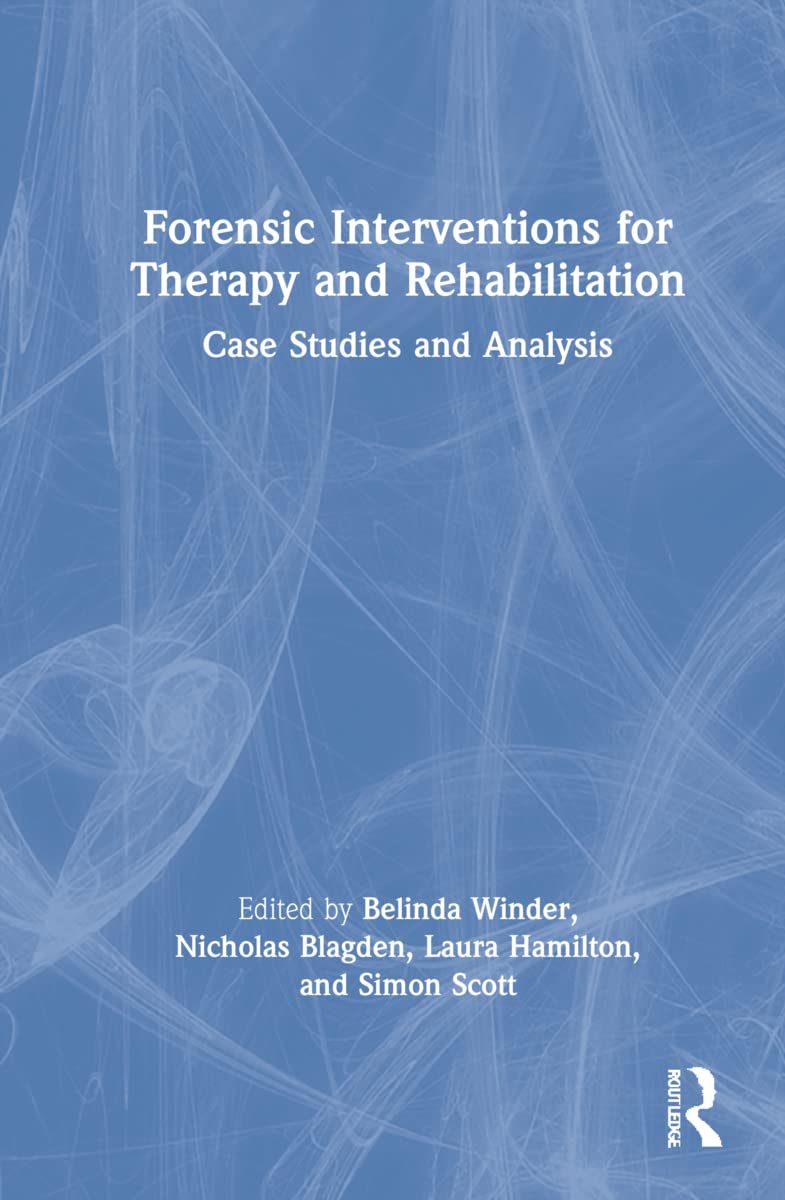
In this review of Forensic Interventions for Therapy and Rehabilitation, the book is presented as a practical, case-focused text for clinicians and services working with forensic populations. The bottom line: this volume collects current models and real-world case studies that make it directly useful for therapists, clinical leads and rehabilitation teams seeking applied perspectives on reducing reoffending. Our review finds the book strongest where it links therapeutic ideas to policy and the realities of custodial and community settings, offering concrete frameworks for intervention rather than abstract theory.
Key Features
- Case-based approach: Uses case studies to illustrate how specific therapeutic models are applied with forensic service users, helping readers translate ideas into practice.
- Contemporary policy context: Reflects current policy and practice, so clinicians can align interventions with modern forensic service priorities.
- Broad therapeutic perspective: Covers individual, group and systemic interventions to give practitioners multiple angles on treatment planning.
- Settings covered: Addresses both custodial and community settings, making it relevant across the pathway from prison-based care to community rehabilitation.
- Targeted chapters: Includes sections on therapeutic models and issues for specific groups, supporting clinicians who work with diverse forensic populations.
Who It's For
This book suits clinical psychologists, forensic psychiatrists, probation officers, prison-based clinicians and multidisciplinary team members who need applied examples of therapy and rehabilitation in forensic settings. The emphasis on case studies and policy alignment makes it especially useful for those responsible for designing or evaluating interventions aimed at reducing reoffending.
Readers looking for a basic introduction to general psychotherapy without forensic focus should look elsewhere; the material assumes familiarity with clinical concepts and is oriented toward practice within forensic and custodial contexts rather than introductory textbook theory.
Pros & Cons
Pros
- Practical case studies make therapeutic concepts tangible and easier to implement in forensic services.
- Integration of policy and practice helps teams ensure interventions are relevant to current service priorities.
- Coverage of individual, group and systemic work provides a well-rounded toolkit for multidisciplinary teams.
Cons
- Not an introductory text; clinicians new to forensic work may need supplementary general psychotherapy resources.
Specifications
| Title | Forensic Interventions for Therapy and Rehabilitation |
| Authors / Editors | Belinda Winder, Nicholas Blagden, Laura Hamilton, Simon Scott |
| Focus | Therapeutic models, case studies, rehabilitation in forensic settings |
| Settings discussed | Custodial and community settings |
| Approach | Individual, group and systemic interventions |
| Audience | Forensic clinicians, rehabilitation teams, policy practitioners |
Our Verdict
Forensic Interventions for Therapy and Rehabilitation is a valuable, practice-focused resource for professionals working in forensic and custodial services. Its case-study format and attention to policy make it a good investment for teams aiming to reduce reoffending and improve therapeutic delivery, though it is best used by clinicians with some existing clinical background.
Frequently Asked Questions
Does this book cover both prison and community care?
Yes. The text explicitly addresses therapeutic work in custodial and community settings to support continuity of care.
Is this suitable for beginners in psychotherapy?
Not as a primary introduction; it assumes familiarity with clinical concepts and focuses on forensic applications.
Are practical examples included?
Yes. The book uses case studies and chapter examples to show how interventions work in real forensic practice.
Editor's Take
Forensic Interventions for Therapy and Rehabilitation is a practice-focused, case-based resource for forensic clinicians; its policy alignment and coverage of individual, group and systemic work make it valuable for teams aiming to reduce reoffending.

Recently viewed
Recently viewed products will appear here as customers browse the store.