Framing Languages and Literacies: A Comprehensive Guide
Framing Languages and Literacies: A Comprehensive Guide
Price subject to change. Tap below for current.
Couldn't load pickup availability
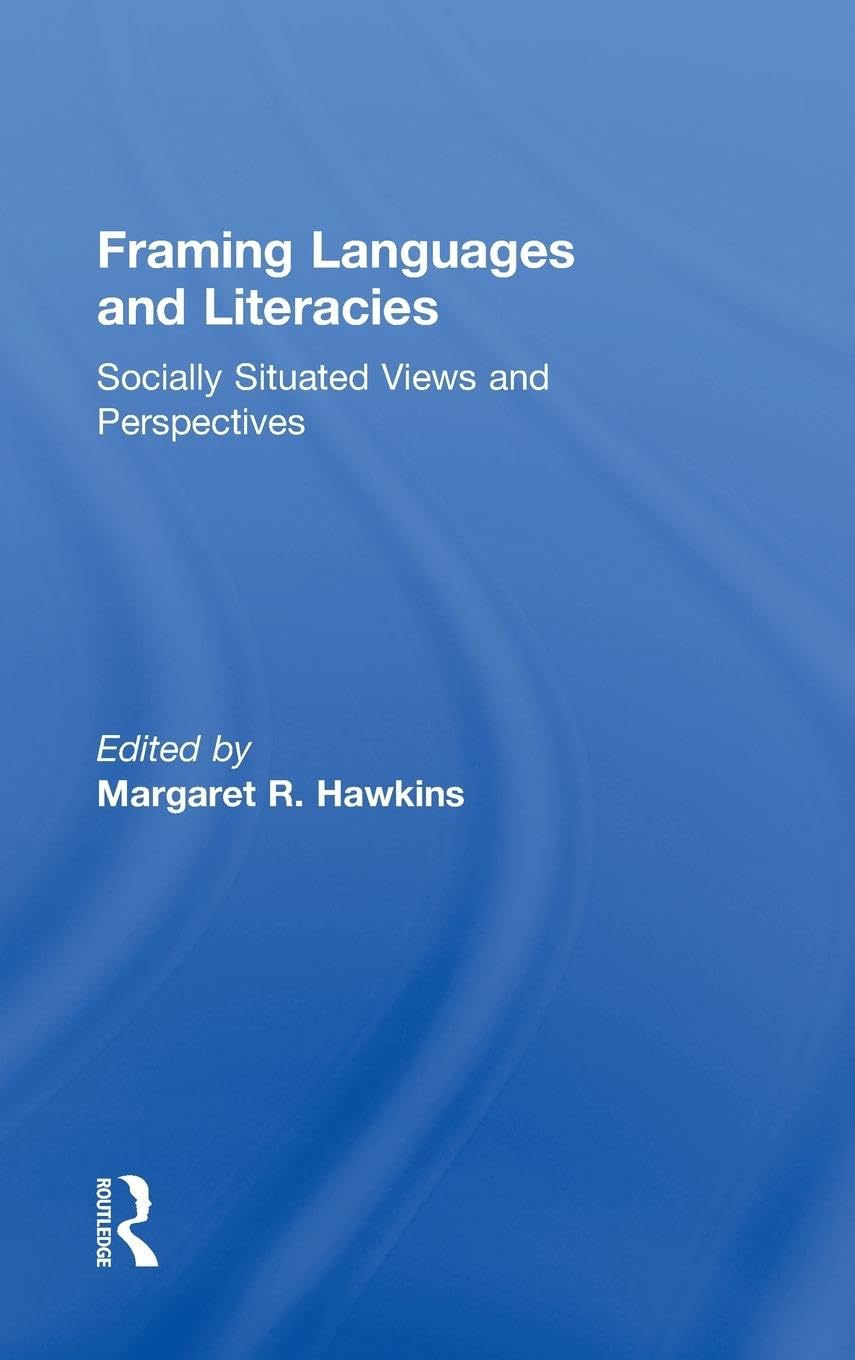
The book Framing Languages and Literacies by Margaret R. Hawkins offers a profound exploration into the intricate relationship between language and literacy. This comprehensive guide delves into various frameworks that shape our understanding of how languages function in different contexts. It is an essential read for educators, linguists, and anyone interested in the dynamics of communication.
One of the standout features of this book is its ability to bridge theory and practice. Hawkins presents a variety of language frameworks that are not only academically rigorous but also applicable in real-world scenarios. This makes it a valuable resource for teachers looking to enhance their instructional strategies.
The author emphasizes the importance of cultural contexts in language acquisition and literacy development. By examining how different cultures approach language, readers gain insights into the diverse ways in which people communicate. This perspective is crucial for educators working in multicultural environments.
Moreover, the book discusses the role of technology in shaping modern literacy practices. With the rise of digital communication, understanding how technology influences literacy is more important than ever. Hawkins provides practical examples of how educators can integrate technology into their teaching to foster better learning outcomes.
Another significant aspect of Framing Languages and Literacies is its focus on assessment. Hawkins outlines various methods for evaluating language proficiency and literacy skills, offering readers tools to effectively measure progress. This is particularly beneficial for educators who need to assess their students' abilities accurately.
Throughout the book, Hawkins encourages critical thinking and reflection on the part of the reader. Each chapter includes thought-provoking questions and activities designed to stimulate discussion and deepen understanding of the material. This interactive approach makes the book not just a reading experience but a learning journey.
In conclusion, Framing Languages and Literacies is a must-have for anyone interested in the fields of language education and literacy. Its comprehensive coverage, practical insights, and engaging writing style make it an invaluable addition to any educator's library. Whether you are a seasoned professional or just starting in the field, this book will enhance your understanding of the complexities of language and literacy.
Share