

Francesca Woodman and the Kantian Sublime - Critical Reader
Francesca Woodman and the Kantian Sublime - Critical Reader
Price subject to change. Tap below for current.
Couldn't load pickup availability
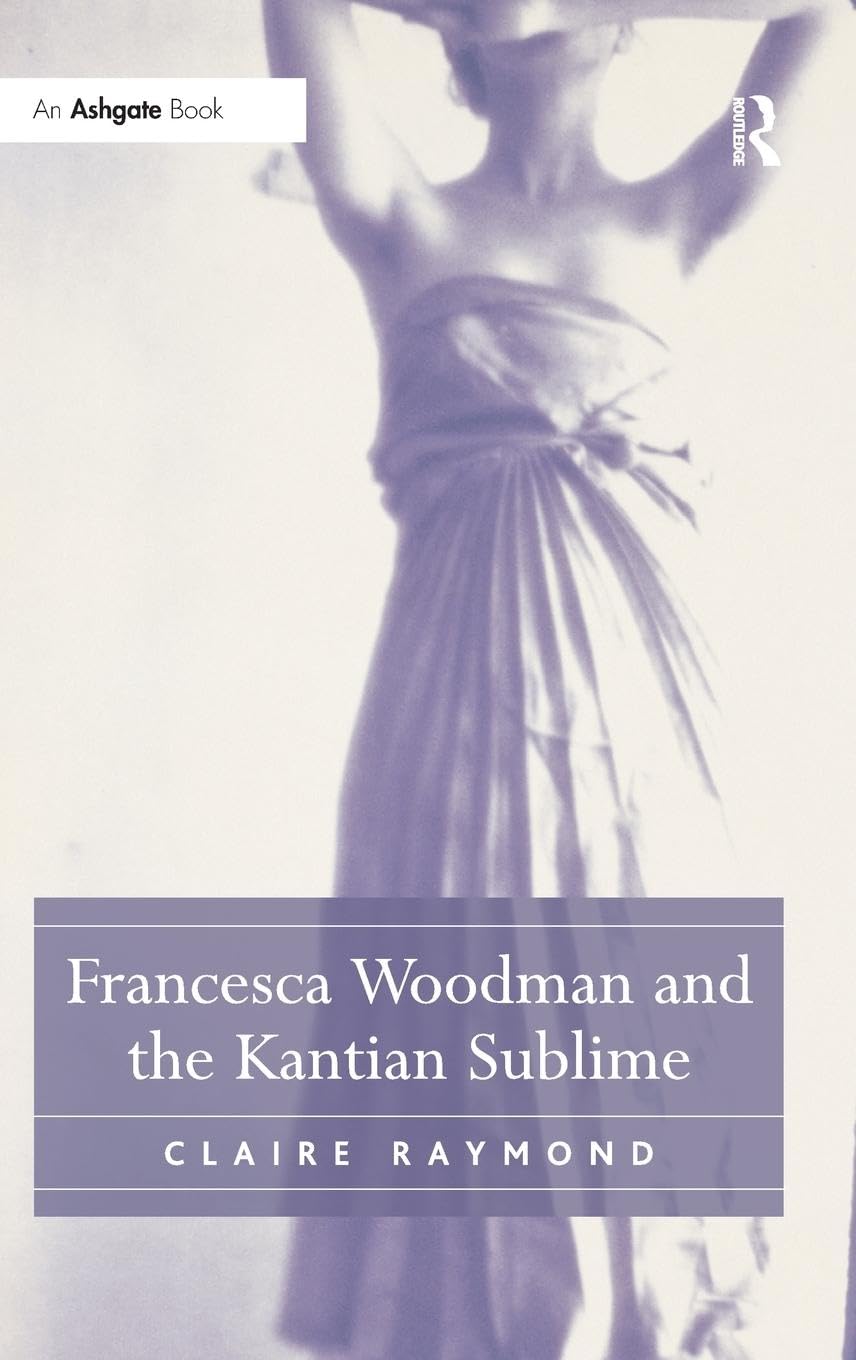
In this review Claire Raymond's Francesca Woodman and the Kantian Sublime is presented as a focused scholarly reassessment of Woodman's work through a feminist and philosophical lens. Raymond's central claim reframes Woodman's photographs in relation to a lineage of women photographers and to Kantian ideas of the sublime; the single biggest reason to read this book is its sustained argument that Woodman's images stage a dissolution of framing and a testing of the gaze, offering readers a fresh interpretive pathway beyond biographical readings.
Key Features
- Feminist inquiry: Raymond situates Woodman within a tradition of women photographers to foreground gendered dynamics in aesthetic reception.
- Philosophical frame: The book connects Woodman's imagery to Kant's Critique of Judgement, making complex theory accessible in relation to specific photographs.
- Historical lineage: Placing Woodman alongside Julia Margaret Cameron and Clementina, Viscountess Hawarden highlights continuities across two centuries of female photographic practice.
- Focus on architecture: Raymond reads photographs of decrepit architecture as allegories of the dissolution of the frame, offering a concrete visual leitmotif throughout the text.
- Self-portrait analysis: The study treats Woodman's self-portraits as deliberate experiments with the gaze rather than mere autobiography, shifting interpretive emphasis.
Who It's For
This book will appeal to readers in academic and museum contexts: art historians, critics, and philosophy students interested in intersections of aesthetics, gender, and photographic practice will find Raymond's arguments rigorous and stimulating. Those teaching courses on modern photography or feminist aesthetics can draw on its comparative readings and theoretical framing.
Readers seeking a general biography of Francesca Woodman or a richly illustrated coffee-table survey should look elsewhere; this is an interpretive scholarly study that prioritizes argument over exhaustive visual reproduction or personal chronicle.
Pros & Cons
Pros
- Clear intellectual focus that connects Woodman's work to Kantian discourse and feminist art history.
- Productive comparison with earlier women photographers that broadens understanding of photographic lineages.
- Careful readings of architectural and self-portrait images that suggest new ways to think about framing and the gaze.
Cons
- The study's emphasis on theory and interpretation may feel dense to readers seeking more biographical or heavily illustrated material.
Specifications
| Title | Francesca Woodman and the Kantian Sublime |
| Author | Claire Raymond |
| Subject | Feminist aesthetics, photography, Kantian sublime |
| Focus | Woodman's self-portraits and photographs of architecture |
| Comparative figures | Julia Margaret Cameron; Clementina, Viscountess Hawarden |
| Approach | Theoretical reinterpretation rather than biography |
Our Verdict
Claire Raymond's study is a thought-provoking, well-argued contribution for readers who want a theory-driven reassessment of Francesca Woodman; its value lies in linking feminist art history to Kantian aesthetics and in redirecting attention from biography to the formal and political workings of the frame and gaze.
Frequently Asked Questions
Does this book focus on Woodman's life story?
Answer. No, the book emphasizes theoretical and comparative readings rather than providing a biographical account.
Is the book suitable for undergraduate courses?
Answer. Yes, it can be assigned in courses on photography, feminist aesthetics, or art theory, though instructors should note its theoretical density.
Are there many illustrations of Woodman's photographs?
Answer. The study prioritizes interpretive analysis; readers expecting an extensive illustrated catalogue should check the edition details before purchasing.
Editor's Take
Claire Raymond's study offers a theory-driven, feminist reassessment of Francesca Woodman, linking her photographs to Kantian ideas of the sublime and arguing persuasively for reading Woodman as testing the frame and the gaze.

Recently viewed
Recently viewed products will appear here as customers browse the store.