

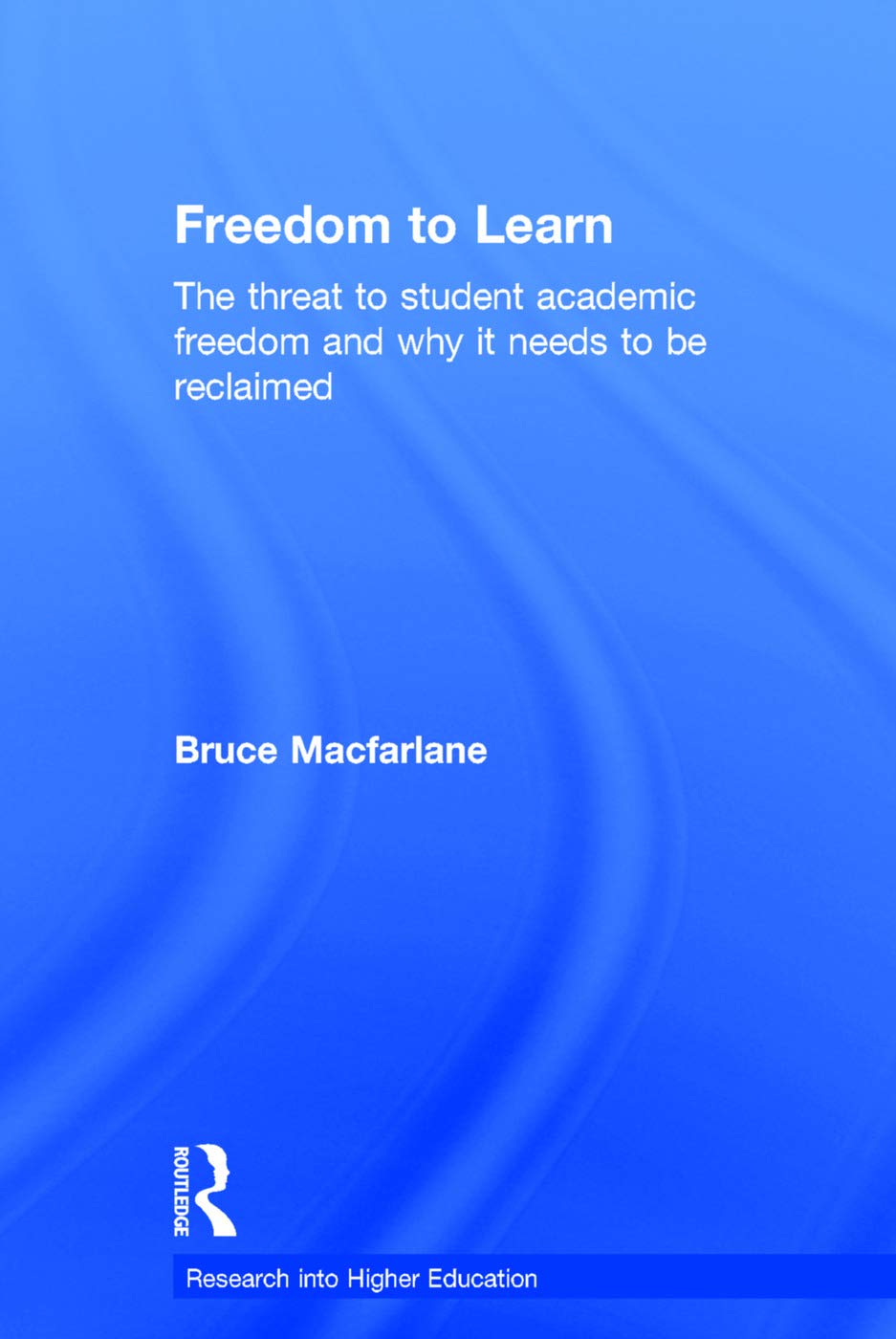
Freedom to Learn (Research into Higher Education) - Critical
Freedom to Learn (Research into Higher Education) - Critical
Price subject to change. Tap below for current.
Couldn't load pickup availability
In this review of Freedom to Learn (Research into Higher Education), the reviewer finds a thoughtful critique aimed at educators, policy makers and researchers concerned with student autonomy. The book's central argument - that a performative culture is eroding the freedom of students to learn - makes it essential reading for anyone investigating how university practices shape student behaviour. It is recommended for those seeking a conceptual and research-informed account rather than a prescriptive handbook.
Key Features
- Critical analysis: The book traces how a growing performative culture restricts choices about how, when and what students learn, helping readers understand systemic change in higher education.
- Focus on student rights: It highlights how compulsory attendance, graded class contribution and confessional reflective tasks can undermine students' rights and privacy.
- Three forms of performativity: The text identifies bodily, participative and emotional modes of student performativity, offering a useful framework for analysing different pressures on learners.
- Evidence-based argument: The discussion draws on research into university practice to show how a hidden curriculum privileges certain personalities and learning styles.
- Accessible critique: Written for an academic and professional audience, the book explains complex ideas in direct language useful for faculty debate and policy review.
Who It's For
The strongest audience for Freedom to Learn is academics, educational developers and higher education researchers who want a rigorous, research-led critique of student engagement practices and their ethical implications. Practitioners reviewing assessment and attendance policies will find the analysis helpful in reframing debates about autonomy and privacy.
Those looking for practical step-by-step classroom activities or quick fixes to boost participation should look elsewhere; this is a reflective, theoretical text more suited to informing policy and scholarly discussion than providing immediate pedagogical templates.
Pros & Cons
Pros
- Clear articulation of how performative pressures shape student behaviour and learning choices.
- Strong focus on students' rights and the ethical implications of common engagement practices.
- Useful conceptual framework in the three forms of performativity that aids analysis across contexts.
Cons
- Limited on practical, classroom-level solutions, which may disappoint readers seeking immediate strategies.
Specifications
| Title | Freedom to Learn (Research into Higher Education) |
| Author | Bruce Macfarlane |
| Subject | Higher education research and education theory |
| Focus | Student autonomy, performativity and engagement practices |
| Key themes | Compulsory attendance, graded participation, group work, reflective tasks |
| Analytical lens | Bodily, participative and emotional performativity |
Our Verdict
Freedom to Learn is a valuable, research-informed critique for academics and policy makers who need to interrogate the ethics of student engagement practices. It offers strong conceptual tools and a sustained argument about rights and autonomy, making it good value for readers aiming to rethink institutional policies even though it does not provide ready-made classroom interventions.
Frequently Asked Questions
Does the book argue against student participation?
It critiques compulsory or performative forms of participation that ignore student rights, rather than opposing genuine, voluntary engagement.
Who benefits most from reading this book?
Higher education researchers, faculty involved in policy decisions and educational developers will gain the most from its analysis.
Does it offer practical teaching strategies?
The book is stronger on critique and theory than on practical classroom recipes, so readers seeking immediate activities may need to supplement it.
Editor's Take
Freedom to Learn is a research-informed critique valuable for academics and policy makers who want to interrogate student engagement practices; it offers strong conceptual tools on autonomy and performativity though few ready-made classroom strategies.

Recently viewed
Recently viewed products will appear here as customers browse the store.