

From Neuropsychology to Mental Structure - Accessible of Theory
From Neuropsychology to Mental Structure - Accessible of Theory
Price subject to change. Tap below for current.
Couldn't load pickup availability
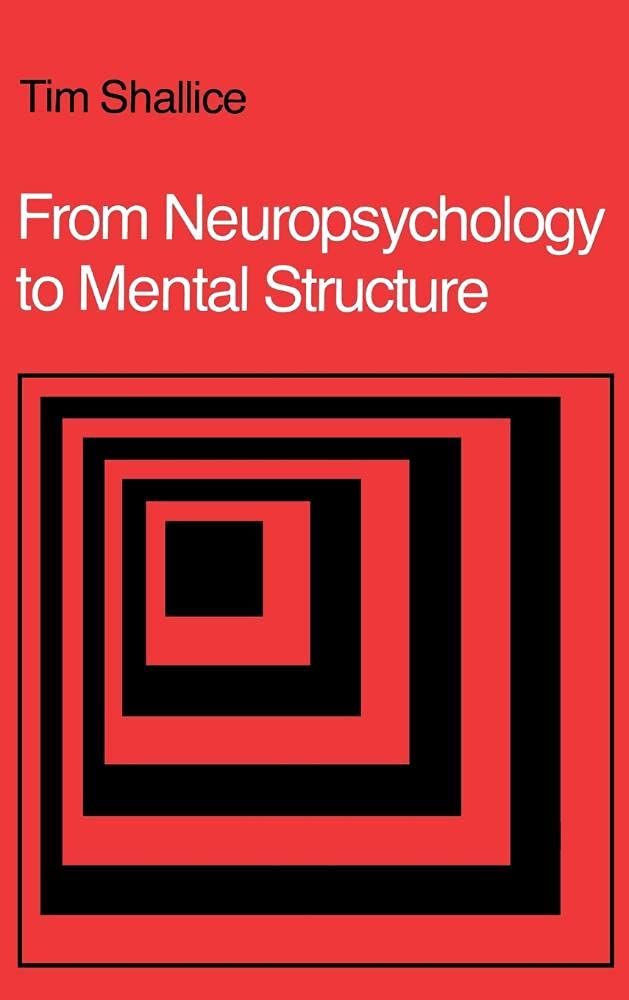
In this review of From Neuropsychology to Mental Structure, Tim Shallice offers a careful, theory-focused examination of how studies of brain-damaged subjects can inform our understanding of normal cognitive systems. The book is best for readers who want a thoughtful bridge between clinical neuropsychology and cognitive theory; its single biggest selling point is a clear argument about when modular and non-modular accounts permit valid inferences from pathology to normal function. Readers should expect an analytical, academically minded treatment rather than an introductory textbook.
Key Features
- Analytic focus: Shallice frames the core question of what damaged systems reveal about intact cognition, guiding readers through the logic of inference from pathology to theory.
- Modularity distinction: The book clearly distinguishes between primarily modular and primarily non-modular theories, helping readers evaluate when modular assumptions are justified.
- Targeted case analysis: Five specific cognitive domains are analyzed under the assumption of modularity, offering concrete examples for theoretical discussion.
- Methodological critique: The text examines inferences drawn from group studies and individual case studies, providing a framework for assessing empirical evidence.
- Theoretical synthesis: Shallice extends the discussion to non-modular systems and addresses the increased difficulty of valid inference in those contexts.
Who It's For
From Neuropsychology to Mental Structure is aimed at graduate students, researchers, and clinicians in cognitive neuropsychology, cognitive science, and neuroscience who want a reasoned defense of how patient studies can inform theories of perception, memory, and language. Its emphasis on theory and inference makes it useful as a seminar reading or for methodological guidance in research design.
Readers seeking a practical clinical manual, a general introduction to neurology, or a textbook with broad pedagogical features should look elsewhere; this book assumes interest in theoretical argument and close analysis rather than step-by-step clinical protocols.
Pros & Cons
Pros
- Clear articulation of when modularity assumptions help make valid inferences about normal cognitive function.
- Concrete analyses of five cognitive areas provide useful case material for theory development.
- Thoughtful treatment of methodological issues in both group and individual case studies aids critical evaluation of evidence.
- Engages with non-modular perspectives, encouraging a balanced view of competing theories.
Cons
- The book is theoretical and may be dense for readers seeking a practical or introductory presentation.
- Limited pedagogical features or applied clinical guidance for immediate practice use.
Specifications
| Title | From Neuropsychology to Mental Structure |
| Author | Tim Shallice |
| Subject areas | Perception, memory, language, cognitive theory |
| Approach | Comparison of modular and non-modular theories |
| Evidence discussed | Group studies and individual case studies |
| Focus | Methodological inference from neurological damage to normal function |
Our Verdict
For readers invested in the theoretical foundations of cognitive neuropsychology, Shallice's book is a concise and valuable treatment of how pathology can inform normal function. It is good value for those who want rigorous discussion of modularity, careful analysis of domains, and a clear account of methodological limits; those needing applied clinical guidance should consider complementary texts.
Frequently Asked Questions
Does this book explain modularity?
Yes. It distinguishes primarily modular from primarily non-modular theories and explains the implications of that distinction for inference from patient data.
Are clinical case studies included?
The book examines both individual case studies and group studies as sources of evidence for cognitive theories.
Is this suitable for beginners?
It is best suited to readers with some background in cognitive science or neuropsychology rather than absolute beginners.
Editor's Take
Shallice provides a rigorous, theory-driven examination of how studies of brain-damaged subjects inform understanding of perception, memory, and language; recommended for researchers and advanced students interested in modularity and methodological inference.

Recently viewed
Recently viewed products will appear here as customers browse the store.