

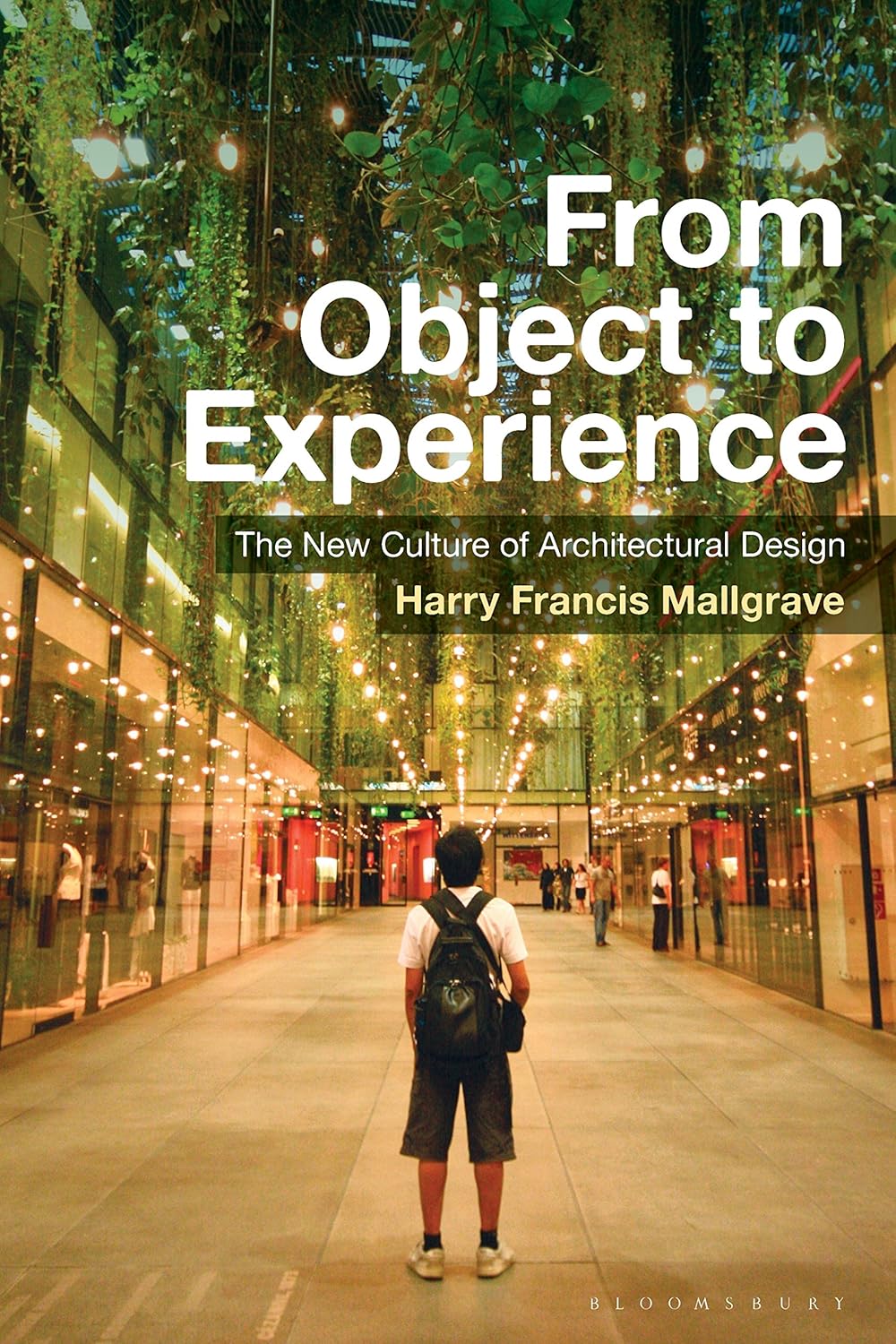
From Object to Experience: The New Culture of Architectural Design
From Object to Experience: The New Culture of Architectural Design
Price subject to change. Tap below for current.
Couldn't load pickup availability
Our review of From Object to Experience makes clear this book is for architects, design scholars and advanced students who want a rigorous theory for prioritizing human response in architecture. Harry Francis Mallgrave brings a long view of architectural ideas together with current work in neuroscience and cognitive science to argue for design focused on emotional and homeostatic well-being. The bottom line: this is a thoughtful, evidence-aware text that reframes design as an experiential practice rather than a purely formal one, and it rewards readers prepared to engage with ideas across disciplines.
Key Features
- Interdisciplinary synthesis: Mallgrave connects architectural history with neuroscience and cognitive science so designers can ground aesthetic choices in human response.
- Experience-centered argument: The book reframes design priorities toward emotional and homeostatic well-being rather than object-based aesthetics.
- Theoretical depth: Readers get a sustained intellectual history that explains why experience should shape architectural practice.
- Contemporary relevance: The work draws on recent scientific insights to give architects practical reasons to revisit established design priorities.
- Scholarly tone: The writing suits readers seeking a critical, evidence-aware perspective rather than light how-to guidance.
Who It's For
Architects and academics focused on design theory will find this book most useful; it speaks to professionals who want to align design decisions with human physiological and emotional responses. Advanced students in architecture, cognitive science or environmental psychology will also gain a coherent framework for integrating scientific findings into design thinking.
Those looking for quick practical diagrams, brief case studies, or elementary introductions to neuroscience should look elsewhere; the book is an intellectual argument intended for readers comfortable with scholarly discourse and cross-disciplinary evidence.
Pros & Cons
Pros
- Evidence-based reframing helps architects prioritize occupant experience when making design decisions.
- The interdisciplinary approach offers fresh connections between historical ideas and modern science.
- Clear emphasis on emotional and homeostatic well-being gives a purposeful direction to design practice.
Cons
- The scholarly tone and dense argumentation may be challenging for casual readers seeking light practical tips.
Specifications
| Title | From Object to Experience: The New Culture of Architectural Design |
| Author | Harry Francis Mallgrave |
| Focus | Architecture, experience, neuroscience |
| Approach | Interdisciplinary theory and history |
| Audience | Architects, scholars, advanced students |
| Primary themes | Emotional response, homeostatic well-being, design priorities |
Our Verdict
From Object to Experience is a valuable, theory-driven contribution for professionals and scholars who want to make human experience central to design. Its cross-disciplinary argument offers practical intellectual tools that justify shifting priorities toward emotional and physiological well-being, making it good value for readers seeking depth rather than quick how-to solutions.
Frequently Asked Questions
Is this book practical for everyday design work?
It is primarily theoretical and best used to inform design philosophy and long-term practice rather than as a source of step-by-step instructions.
Does the author use scientific research?
Yes; Mallgrave integrates findings from neuroscience, cognitive science and evolutionary biology to support his argument about architectural experience.
Who benefits most from reading this book?
Architects, design scholars and advanced students interested in grounding design choices in human experience will gain the most.
Editor's Take
A theory-driven, interdisciplinary book that convincingly argues for prioritizing human emotional and homeostatic well-being in architectural design; best for architects, scholars and advanced students seeking depth rather than quick practical tips.

Recently viewed
Recently viewed products will appear here as customers browse the store.