

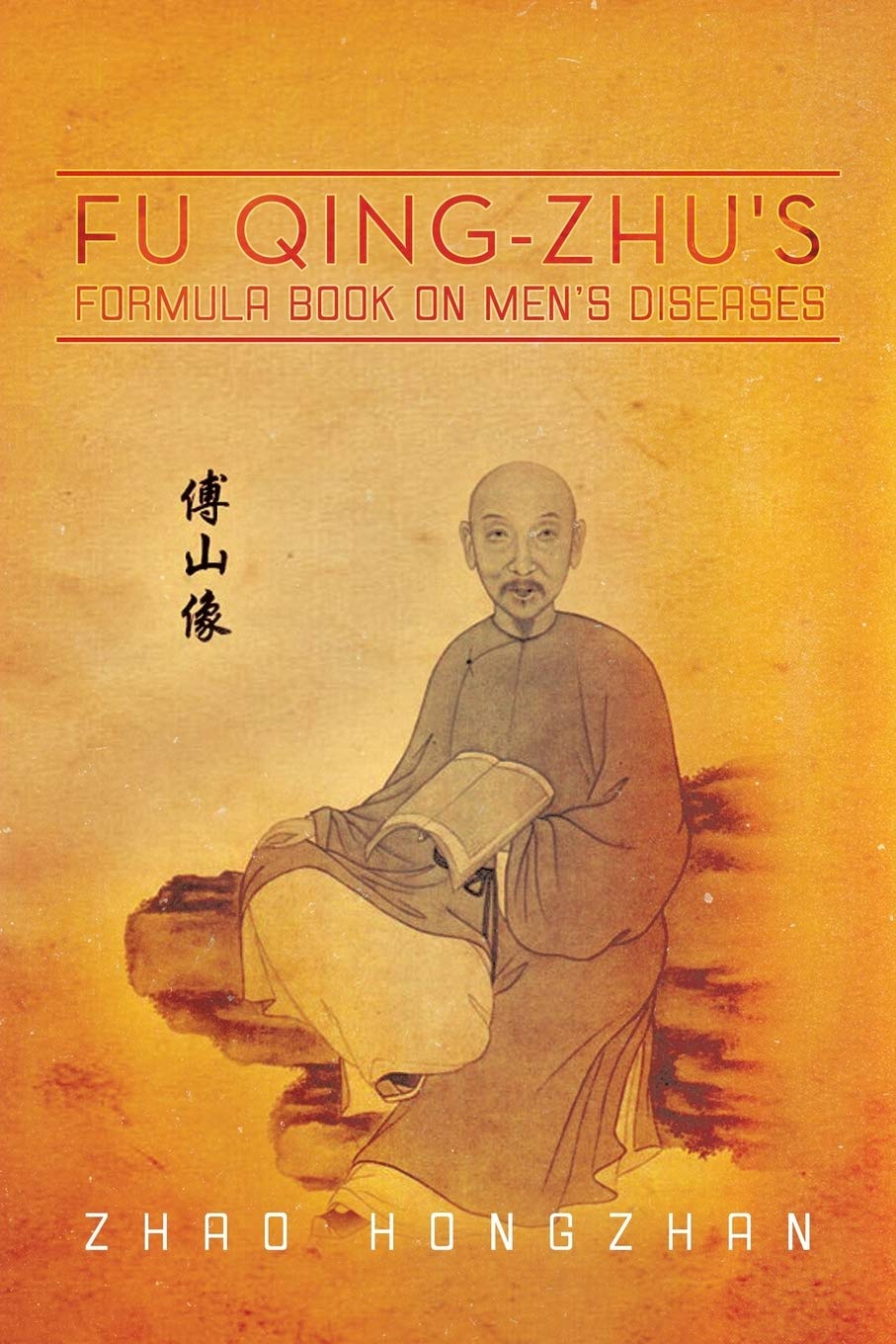
Fu Qing-zhu's Formula Book on Men's Diseases (Multilingual Edition)
Fu Qing-zhu's Formula Book on Men's Diseases (Multilingual Edition)
Price subject to change. Tap below for current.
Couldn't load pickup availability
Our review of Fu Qing-zhu's Formula Book on Men's Diseases finds it essential for students and practitioners of Traditional Chinese Medicine seeking historical primary sources. This edition reproduces the first dedicated monograph on men's diseases from the Qing Dynasty and clearly presents 25 chapters of symptoms, diagnosis and formula treatment, making it a rare reference for clinical pattern study and historical research. The book's value lies in its status as a foundational text and the practical formula listings that can be compared to modern practice.
Key Features
- Historical significance: The book is the earliest single-author monograph on men's diseases in TCM and provides direct insight into Qing Dynasty clinical thought.
- Comprehensive coverage: Twenty-five chapters cover internal diseases in detail, useful for pattern recognition and comparative study.
- Practical formulas: Each chapter includes treatment formulas, which offer concrete clinical approaches to correlate with modern formulations.
- Supplementary content: The final section contains assorted children and women's diseases as a practical supplement to the author's companion volume.
- Multilingual edition: This edition broadens accessibility for non-Chinese readers interested in historical TCM sources and comparative medicine.
Who It's For
This book is aimed at Traditional Chinese Medicine practitioners, medical historians and advanced students who want a primary historical text on male-specific internal diseases and original formula applications. It is especially valuable for readers comparing classical and contemporary treatment methods or researching Qing Dynasty medical literature.
Readers seeking a modern textbook with standardized dosages, clinical trial evidence, or a beginner-friendly overview of TCM basics should look elsewhere; this edition is source material rather than a modern clinical handbook.
Pros & Cons
Pros
- Authoritative historical source that documents early clinical approaches to men's diseases.
- Detailed chapter structure makes it straightforward to locate symptom descriptions, diagnoses and formula treatments.
- Includes supplemental coverage of children and women's diseases, adding broader reference value.
- Multilingual presentation increases accessibility to non-native readers of classical texts.
Cons
- As a historical monograph, it does not provide modernized dosage guidance or evidence from contemporary clinical trials.
- The original style and terminology can be dense for readers without prior background in classical Chinese medical concepts.
Specifications
| Title | Fu Qing-zhu's Formula Book on Men's Diseases (Multilingual Edition) |
| Author | Fu Qing-zhu (presented by Zhao Hongzhan) |
| Origin | First printed 1827, Qing Dynasty |
| Content scope | 25 chapters on internal diseases; final section on children and women's diseases |
| Genre | Traditional Chinese Medicine, medical monograph |
| Use | Historical reference and clinical formula study |
Our Verdict
Fu Qing-zhu's Formula Book on Men's Diseases is a valuable historical reference for TCM practitioners and researchers who need direct access to classical formulae and disease descriptions. It is good value for those requiring primary-source material, though not intended as a modern clinical manual for dosage or evidence-based protocols.
Frequently Asked Questions
Is this a modern clinical textbook?
Answer. No, this is a historical monograph focused on classical symptom, diagnosis and formula presentation rather than modernized clinical protocols.
Does the book include information on women and children?
Answer. Yes, the final section supplements the main text with assorted children and women's diseases as an addendum to the author's companion work.
Who edited or prepared this edition?
Answer. The edition is presented under Zhao Hongzhan and made available as a multilingual edition to broaden accessibility.
Editor's Take
A valuable historical TCM reference for practitioners and researchers seeking primary-source formulas and disease descriptions; ideal for comparative study but not a modern clinical dosage guide.

Recently viewed
Recently viewed products will appear here as customers browse the store.