

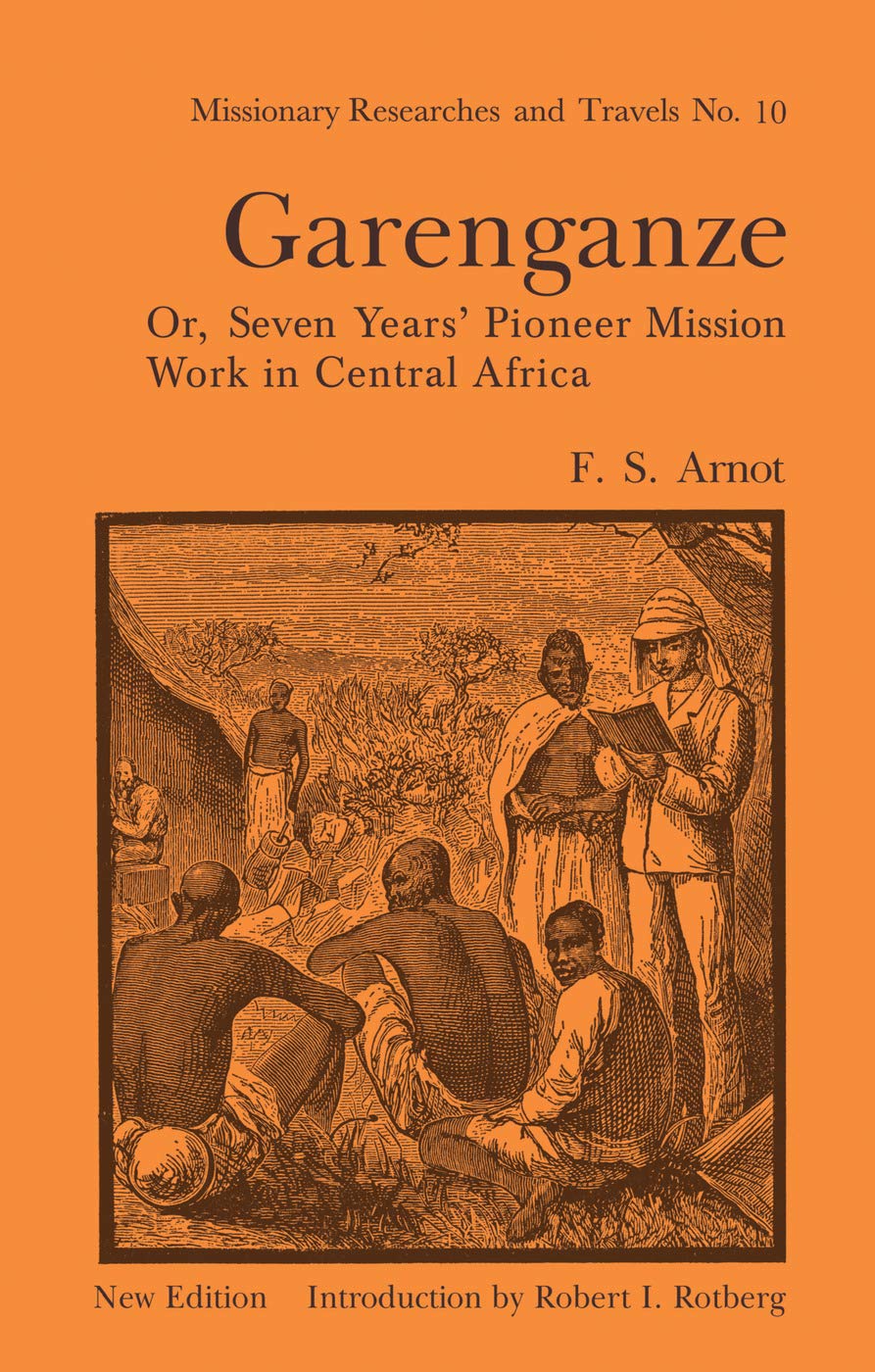
Garenganze or Seven Years Pioneer Mission Work in Central Africa
Garenganze or Seven Years Pioneer Mission Work in Central Africa
Price subject to change. Tap below for current.
Couldn't load pickup availability
In this review of Garenganze or Seven Years Pioneer Mission Work in Central Africa, the reviewer looks at a historic missionary account valuable for readers interested in 19th-century Christian missions. This book is best for historians, religious scholars, and readers fascinated by firsthand mission narratives because it documents Frederick Stanley Arnot's pioneering work across the Kalahari, Barotseland, Angola and Katanga in the 1880s. The single biggest reason to read it is its direct perspective on early Protestant mission efforts in Central Africa, offering context and detail often missing from broader surveys.
Key Features
- Firsthand narrative: The account provides a direct, contemporary perspective on mission life and travel across challenging terrain, useful for primary-source research.
- Geographic scope: Detailed description of mission stations and routes across the Kalahari, Barotseland, Angola and Katanga helps readers understand regional context.
- Historical context: The text situates the work within late 19th-century Protestant expansion, giving background useful to scholars of colonial and religious history.
- Religious focus: Clear emphasis on evangelical and Plymouth Brethren motivations makes the book relevant to students of ministry and missionary methods.
- Reference value: The book serves as a primary document for reconstructing early mission strategy and local interactions during the 1880s.
Who It's For
This volume suits historians, seminary students, and readers researching the history of Christian missions in Africa; its value lies in firsthand observations and the specific regions covered. It will also appeal to those studying the Plymouth Brethren or the broader patterns of religious expansion in Southern and Central Africa.
Readers seeking contemporary travel writing, modern sociological analysis, or up-to-date ethnography should look elsewhere, since the work is a historic missionary account rooted in the perspectives and language of its time rather than modern academic critique.
Pros & Cons
Pros
- Provides authentic primary-source descriptions of missionary travel and station life across Central Africa in the 1880s.
- Focuses on specific regions like Barotseland and Katanga, offering geographic detail not always found in general surveys.
- Useful for understanding Plymouth Brethren missionary motivations and methods during a formative period.
Cons
- As a historical missionary account, it reflects 19th-century perspectives and may lack modern critical analysis or updated context.
Specifications
| Title | Garenganze or Seven Years Pioneer Mission Work in Central Africa |
| Author/Brand | Frederick Stanley Arnot |
| Subject | Missionary work and missionary narrative |
| Regions Covered | Kalahari, Barotseland, Angola, Katanga |
| Era | Late 19th century (1880s) |
| Audience | Historians, religious scholars, missions researchers |
Our Verdict
Garenganze is a valuable historical record for anyone studying early Protestant missions in Central Africa; its firsthand descriptions and regional focus make it a strong resource for historians and ministry students, though readers should supplement it with modern analysis for critical context.
Frequently Asked Questions
Is this a firsthand account?
Yes. The book is a contemporary missionary narrative by Frederick Stanley Arnot recounting his experiences.
Which regions does it describe?
It covers missionary work across the Kalahari, Barotseland, Angola and Katanga during the 1880s.
Who benefits most from this book?
Historians, seminary students and readers researching 19th-century missions will gain the most from its primary-source perspective.
Editor's Take
Garenganze is a valuable historical record for studying early Protestant missions in Central Africa; its firsthand regional descriptions make it essential for historians and ministry students, though modern analysis is recommended for critical context.

Recently viewed
Recently viewed products will appear here as customers browse the store.