

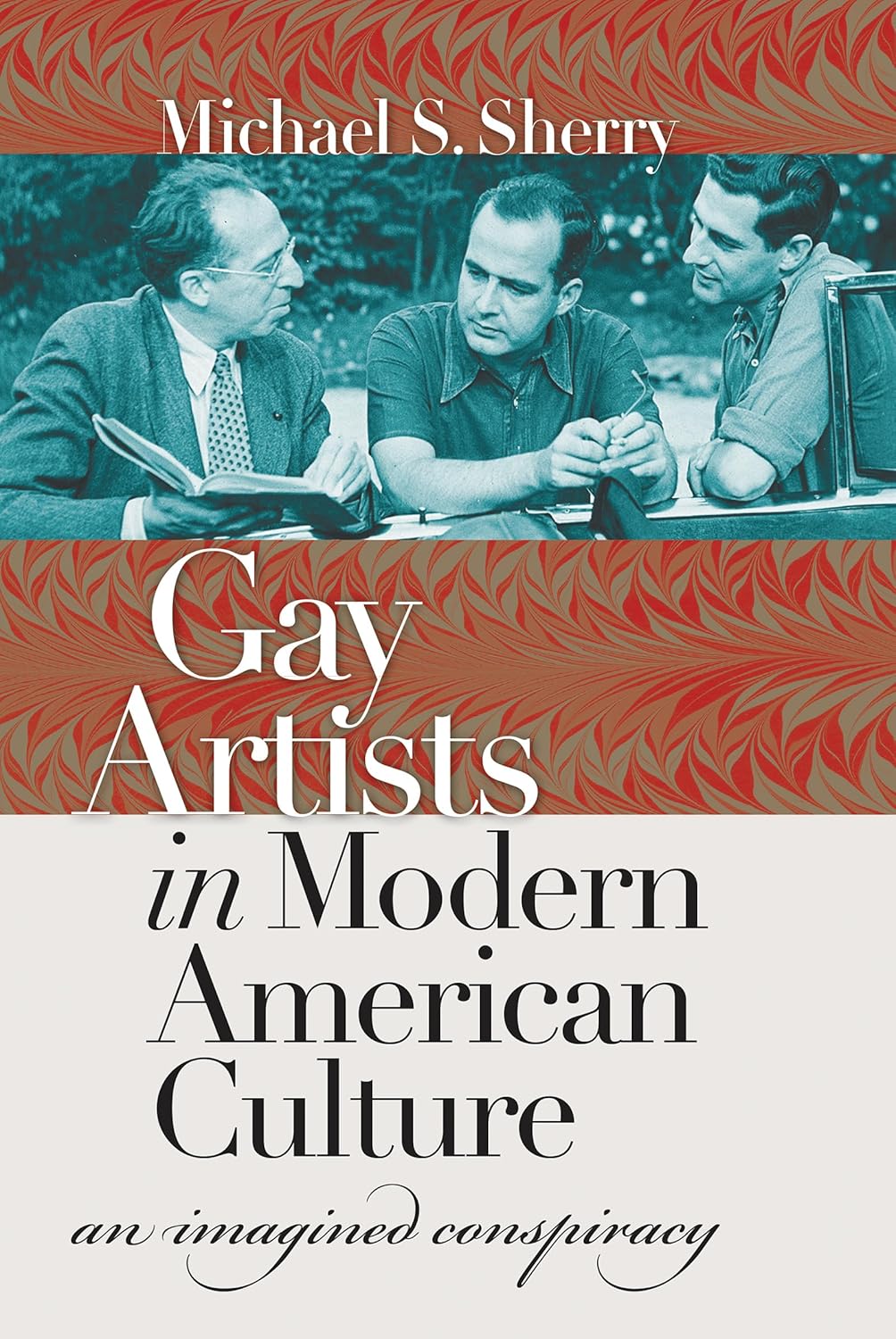
Gay Artists in Modern American Culture: An Imagined Conspiracy
Gay Artists in Modern American Culture: An Imagined Conspiracy
Price subject to change. Tap below for current.
Couldn't load pickup availability
In this review of Gay Artists in Modern American Culture: An Imagined Conspiracy, the reader will find a focused historical analysis best suited to scholars and curious general readers interested in mid-twentieth-century American culture. Michael S. Sherry traces how prominent figures such as Tennessee Williams, Edward Albee, Aaron Copland, and Rock Hudson became symbols of both creative influence and public anxiety, and the book's single biggest strength is its nuanced treatment of how cultural prominence and social fear coexisted. This review highlights why the book is useful for research and what limitations a casual reader should expect.
Key Features
- Historical focus: Examines the role of gay artists in shaping mid-twentieth-century American culture, providing context for their artistic and social influence.
- Case studies: Uses well-known figures such as Tennessee Williams and Aaron Copland to illustrate broader cultural trends and public perceptions.
- Cultural analysis: Connects artistic prominence to national anxieties, situating the discussion within contemporary anticommunism and moral panic.
- Sophisticated argument: Presents a measured interpretation of conspiracy claims like the homintern while avoiding sensationalism.
- Research utility: Serves as a solid secondary source for students and historians studying sexuality, culture, and midcentury American politics.
Who It's For
The book is best for historians, cultural studies scholars, graduate students, and readers interested in the intersection of sexuality and midcentury American arts; its analytic tone and references make it useful as a course reading or research reference. Readers looking for biographies, personal memoirs, or a light popular-history narrative may find the approach more academic and less anecdotal than expected.
Those seeking a concise survey of gay life or a celebratory account of artists' lives should look elsewhere; the book emphasizes cultural context and public response over intimate personal details. It is ideal for readers who want an interpretive, evidence-based argument about cultural influence and public anxiety.
Pros & Cons
Pros
- Clear, well-argued analysis that ties artistic prominence to national anxieties in the mid-twentieth century.
- Uses notable cultural figures as effective case studies to illuminate broader trends.
- Helpful to researchers and students as a secondary source on sexuality and American culture.
Cons
- More academic and analytical in tone, which may feel dense for casual readers seeking narrative biography.
Specifications
| Title | Gay Artists in Modern American Culture: An Imagined Conspiracy |
| Author | Michael S. Sherry |
| Subject | Cultural history of mid-twentieth-century United States |
| Focus | Role of gay artists and public anxieties |
| Illustrative figures | Tennessee Williams, Edward Albee, Aaron Copland, Rock Hudson |
| Approach | Interpretive analysis connecting culture to political paranoia |
Our Verdict
Gay Artists in Modern American Culture is a thoughtful, well-researched study that will repay readers who want an interpretive take on how gay artists shaped and unsettled midcentury American culture. It offers strong value as a research text or classroom reading, though its academic tone may be less appealing to casual readers seeking personal stories or lighter narrative.
Frequently Asked Questions
Does this book focus on individual biographies?
The book emphasizes cultural analysis and case studies rather than detailed personal biographies.
Is it suitable for undergraduate courses?
Yes; its interpretive approach and references make it useful as a secondary text in history or cultural studies courses.
Will it cover the wider political context?
Yes; the author situates fears about gay artists within midcentury anticommunism and broader moral panics.
Editor's Take
A thoughtful, well-researched study that connects the prominence of midcentury gay artists to national anxieties; excellent as a research or classroom text though somewhat academic in tone.

Recently viewed
Recently viewed products will appear here as customers browse the store.