

Gender Inequality in Screenwriting Work - Critical Industry Study
Gender Inequality in Screenwriting Work - Critical Industry Study
Price subject to change. Tap below for current.
Couldn't load pickup availability
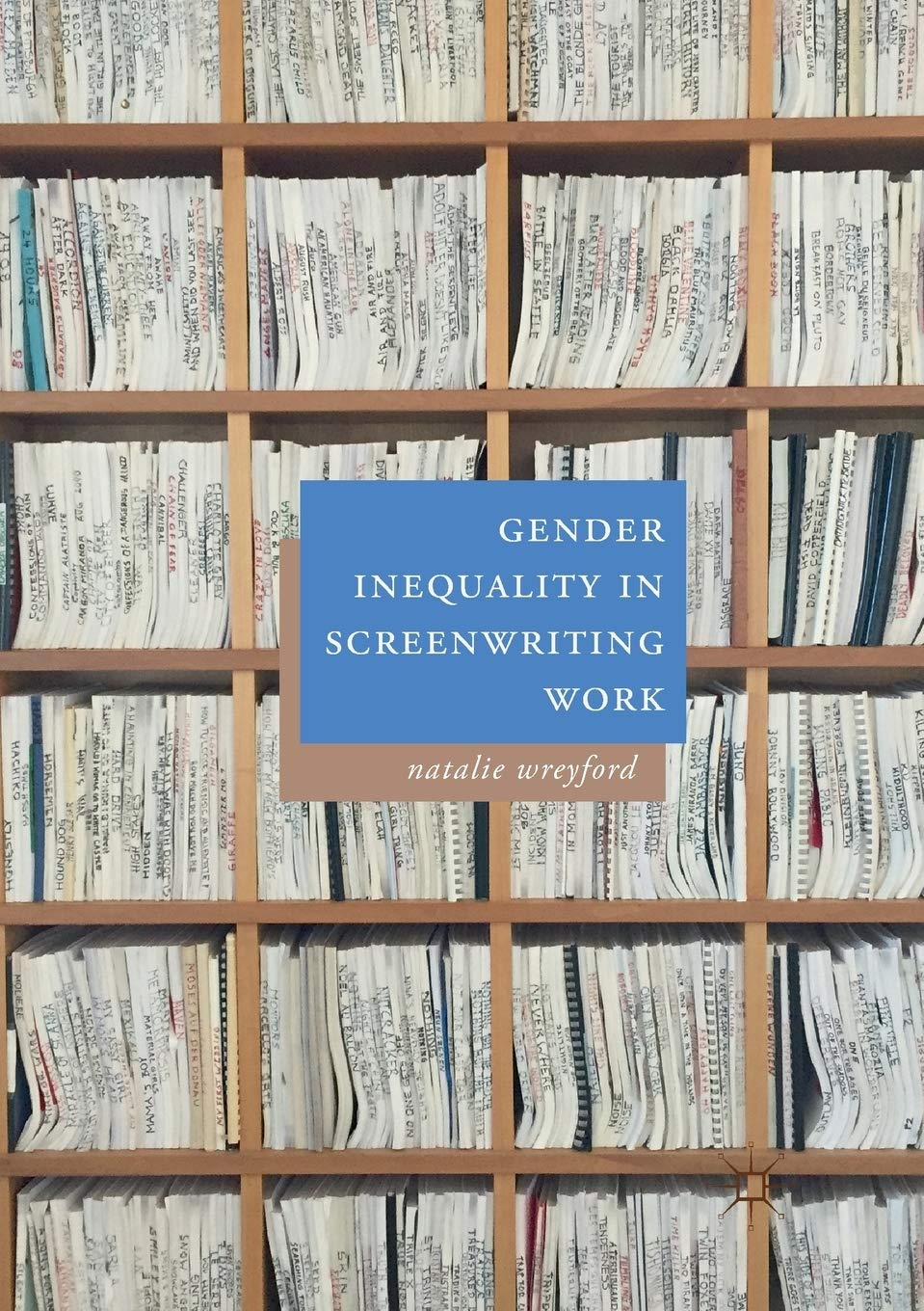
In this review of Gender Inequality in Screenwriting Work, the book is presented as a focused, research-driven examination suited to readers who want to understand why women are underrepresented as screenwriters. Natalie Wreyford draws on interviews with screenwriters and employers to map the practical and cultural barriers that limit opportunities. The single biggest reason to read it is its clear exposure of recruitment practices, informal labour networks and subtle sexism that together explain how womens voices are discounted in the UK film industry.
Key Features
- Primary focus: A detailed investigation into recruitment and working practices clarifies how hiring processes screen out women and shape career trajectories.
- Interview-driven evidence: Firsthand accounts from screenwriters and employers provide concrete examples of exclusion and the hidden labour market.
- Theoretical insight: The book links socialised recruitment and gendered taste to structural exclusion, helping readers connect experience to broader patterns.
- Industry context: Coverage of the UK film industry highlights the role of personal connections, homophily and the myth of meritocracy in limiting access.
- Academic and practical relevance: Useful for students and scholars of gender and creative industries seeking primary qualitative data about screenwriting work.
Who It's For
This book is for students, researchers and industry professionals who need a rigorous, evidence-based account of gender inequality in creative labour markets, particularly within UK film and screenwriting. It is valuable for those studying gender, employment practices or the cultural economy.
Readers looking for practical 'how-to' career guides or step-by-step advice for breaking into screenwriting should look elsewhere; this title explains structural barriers rather than offering a scriptwriting manual or commercial career strategy.
Pros & Cons
Pros
- Illuminates hidden recruitment practices that shape who gets hired and why, providing clear qualitative evidence.
- Uses interviews with both screenwriters and employers to present multiple perspectives on workplace exclusion.
- Connects everyday hiring decisions to broader concepts like homophily and the myth of meritocracy, strengthening analytical depth.
Cons
- The book focuses on analysis and critique rather than prescriptive solutions, so readers seeking practical change tools may find it limited.
Specifications
| Title | Gender Inequality in Screenwriting Work |
| Author | Natalie Wreyford |
| Subject | Gender, screenwriting, UK film industry |
| Approach | Interview-driven qualitative research |
| Intended audience | Students and scholars of gender and creative industries |
| Geographic focus | United Kingdom |
Our Verdict
Gender Inequality in Screenwriting Work is a clear, well-supported critical study that should be read by scholars and industry observers who want to understand why women are excluded from screenwriting roles. Its value lies in exposing recruitment dynamics and cultural biases rather than offering a how-to career manual, making it strong academic value for anyone studying labour and gender in entertainment.
Frequently Asked Questions
Does this book include original interviews?
Yes. It draws on interviews with screenwriters and those who employ them to provide firsthand evidence.
Is the book practical for aspiring screenwriters?
Not primarily; it explains structural barriers and industry practices rather than providing career advice or writing instruction.
Who will benefit most from reading it?
Students, researchers and industry professionals interested in gender, labour markets and the UK film industry will gain the most from this study.
Editor's Take
This book is a rigorous, interview-driven study that exposes recruitment practices and cultural barriers limiting women in UK screenwriting; recommended for students and industry researchers seeking structural insight.

Recently viewed
Recently viewed products will appear here as customers browse the store.