

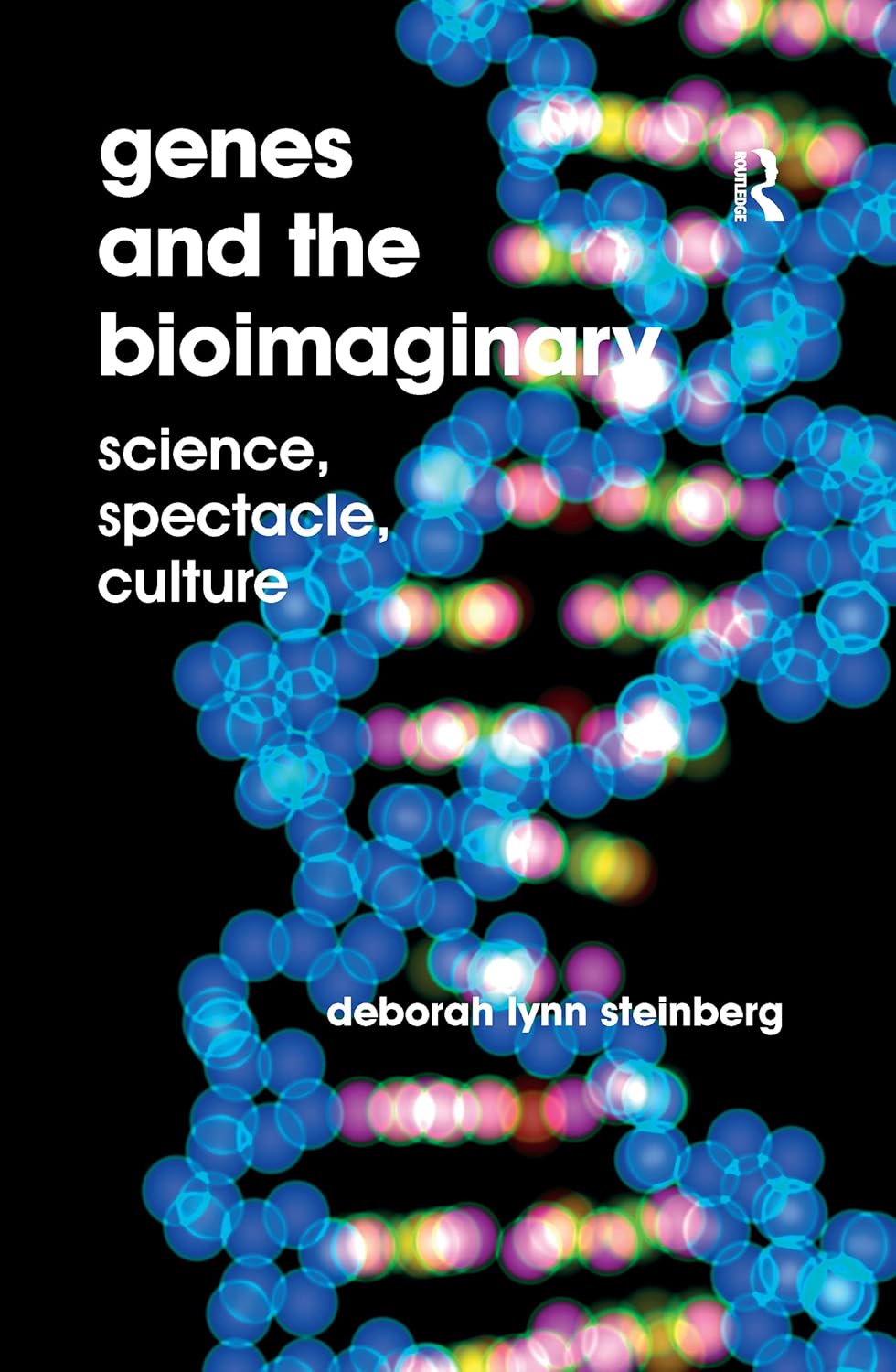
Genes and the Bioimaginary - Cultural Study of Genetics
Genes and the Bioimaginary - Cultural Study of Genetics
Price subject to change. Tap below for current.
Couldn't load pickup availability
In this review of Genes and the Bioimaginary the bottom line is clear: this is a thoughtful, culturally attuned study best suited to readers who want to understand how the language and ideas of genetics have permeated modern life. Deborah Lynn Steinberg traces the "genetification" of diverse social arenas and offers a sustained investigation of how scientific concepts become public tropes. The book is strongest as a critical cultural analysis rather than a technical genetics primer, and its central value lies in connecting scientific change to everyday narratives and institutional shifts.
Key Features
- Cultural focus: Examines how the idea of the gene shaped popular discourse and personal narrative, offering readers insight into public meanings of science.
- Interlinked questions: Organises discussion around three core questions that guide the book's analysis of paradigmatic transformations, language, and critical purchase.
- Cross-disciplinary reach: Connects genetics to law, agriculture, politics and medicine so readers can see the breadth of the gene's social impact.
- Critical perspective: Balances description of scientific influence with critique, helping readers evaluate consequences rather than accept genetic explanations uncritically.
- Readable prose: Written for a non-specialist audience, making complex cultural arguments accessible to students and interested general readers.
Who It's For
Genes and the Bioimaginary will appeal to students and scholars in sociology, cultural studies, and science and technology studies who want a synthetic account of how genetic ideas shape social institutions and narratives. It is also valuable for policymakers or clinicians seeking context for public conversations that invoke genes.
Readers looking for a laboratory-focused genetics textbook, technical explanations of molecular methods, or step-by-step scientific data will want to look elsewhere; this book prioritises cultural analysis and interpretive argument over empirical lab detail.
Pros & Cons
Pros
- Provides a clear framework of three central questions that structure a broad cultural critique of genetics.
- Offers concrete examples of the gene's influence across law, agriculture, politics and medicine to illustrate its social reach.
- Accessible writing makes complex ideas usable for non-specialists and classroom discussion.
Cons
- Not intended as a technical genetics reference, so readers expecting scientific detail may be disappointed.
Specifications
| Title | Genes and the Bioimaginary |
| Author | Deborah Lynn Steinberg |
| Subject areas | Culture, sociology, science and technology studies |
| Core themes | Genetification of modern life; language of genes; cultural consequences |
| Approach | Critical cultural analysis, cross-disciplinary examples |
| Intended audience | Students, scholars, interested general readers |
Our Verdict
Genes and the Bioimaginary is a worthwhile purchase for readers who want to understand how genetic concepts have become woven into social and cultural life; its critical framing and cross-sector examples make it good value for students and anyone seeking context for public conversations about genetics.
Frequently Asked Questions
Is this book a technical genetics textbook?
Answer. No, it is a cultural and sociological study that critiques and contextualises the role of genes in public life rather than explaining laboratory techniques.
Which disciplines will find this most useful?
Answer. Sociology, cultural studies, science and technology studies, law and public policy readers will find the analysis most directly relevant.
Does the book cover specific sectors affected by genetics?
Answer. Yes, it discusses the impact of genetic ideas across law, agriculture, politics and medicine to show the broad social influence of the gene.
Editor's Take
Genes and the Bioimaginary is a thoughtful cultural study that maps how genetic ideas permeate law, medicine, politics and everyday narratives; recommended for students and readers seeking critical context rather than technical genetics detail.

Recently viewed
Recently viewed products will appear here as customers browse the store.