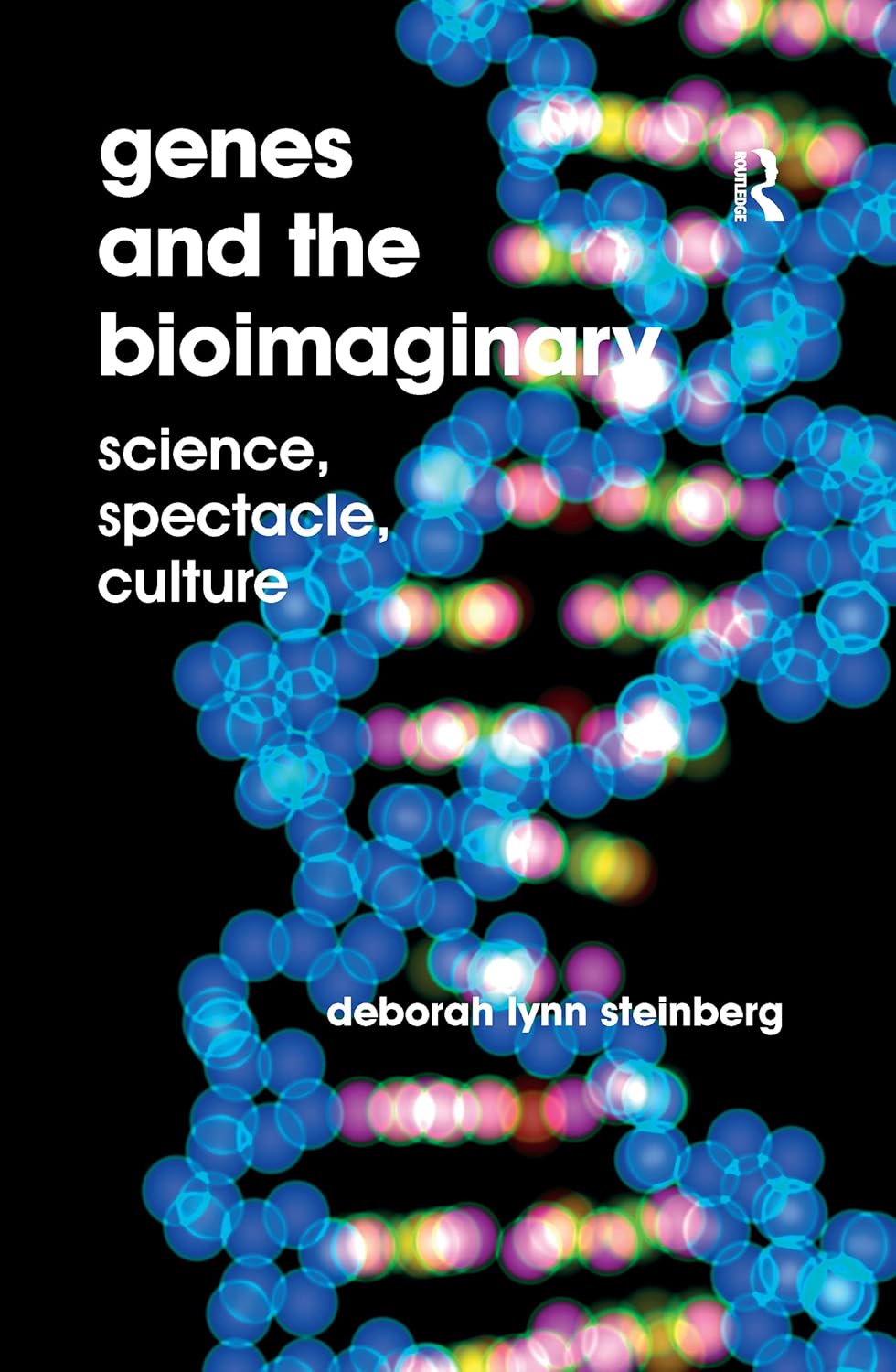
Genes and the Bioimaginary: Exploring Genetic Narratives
Genes and the Bioimaginary: Exploring Genetic Narratives
Price subject to change. Tap below for current.
Couldn't load pickup availability
Genes and the Bioimaginary by Deborah Lynn Steinberg is a groundbreaking exploration of the intersection between genetics and cultural narratives. This book delves into how our understanding of genes shapes our perceptions of identity, health, and the future of humanity. Steinberg's insightful analysis offers readers a fresh perspective on the implications of genetic science in contemporary society.
In the first chapter, Steinberg introduces the concept of the bioimaginary, a term that encapsulates the collective imagination surrounding genetic possibilities. She argues that our cultural narratives about genes influence not only scientific research but also public policy and personal choices. This foundational idea sets the stage for a deeper examination of how genetics is woven into the fabric of our lives.
As the book progresses, Steinberg presents a variety of case studies that illustrate the impact of genetic narratives on real-world issues. From the ethical dilemmas posed by genetic engineering to the societal implications of genetic testing, each chapter provides a comprehensive overview of the challenges and opportunities presented by advancements in genetic science.
One of the most compelling aspects of the book is its focus on the cultural implications of genetics. Steinberg highlights how different cultures interpret genetic information, leading to diverse understandings of health, disease, and identity. This cultural lens enriches the discussion and encourages readers to consider how their own backgrounds shape their views on genetics.
Steinberg also addresses the role of media in shaping public perceptions of genetics. Through a critical analysis of popular films, television shows, and literature, she demonstrates how the representation of genetic science in media can either reinforce or challenge societal norms. This examination is particularly relevant in an age where misinformation can spread rapidly, making it essential for readers to critically engage with the narratives they consume.
Furthermore, the book explores the future of genetic science and its potential to transform our understanding of life itself. Steinberg poses thought-provoking questions about the ethical boundaries of genetic manipulation and the responsibilities of scientists in this rapidly evolving field. The discussion encourages readers to reflect on their own values and beliefs regarding the future of genetic technology.
In conclusion, Genes and the Bioimaginary is an essential read for anyone interested in the complex relationship between genetics and culture. Deborah Lynn Steinberg's engaging writing style and thorough research make this book accessible to a wide audience, from academics to casual readers. By weaving together scientific insights and cultural analysis, Steinberg invites us to rethink our understanding of genes and their role in shaping our lives.
Share