

Genital Autonomy: Protecting Personal Choice - Critical
Genital Autonomy: Protecting Personal Choice - Critical
Price subject to change. Tap below for current.
Couldn't load pickup availability
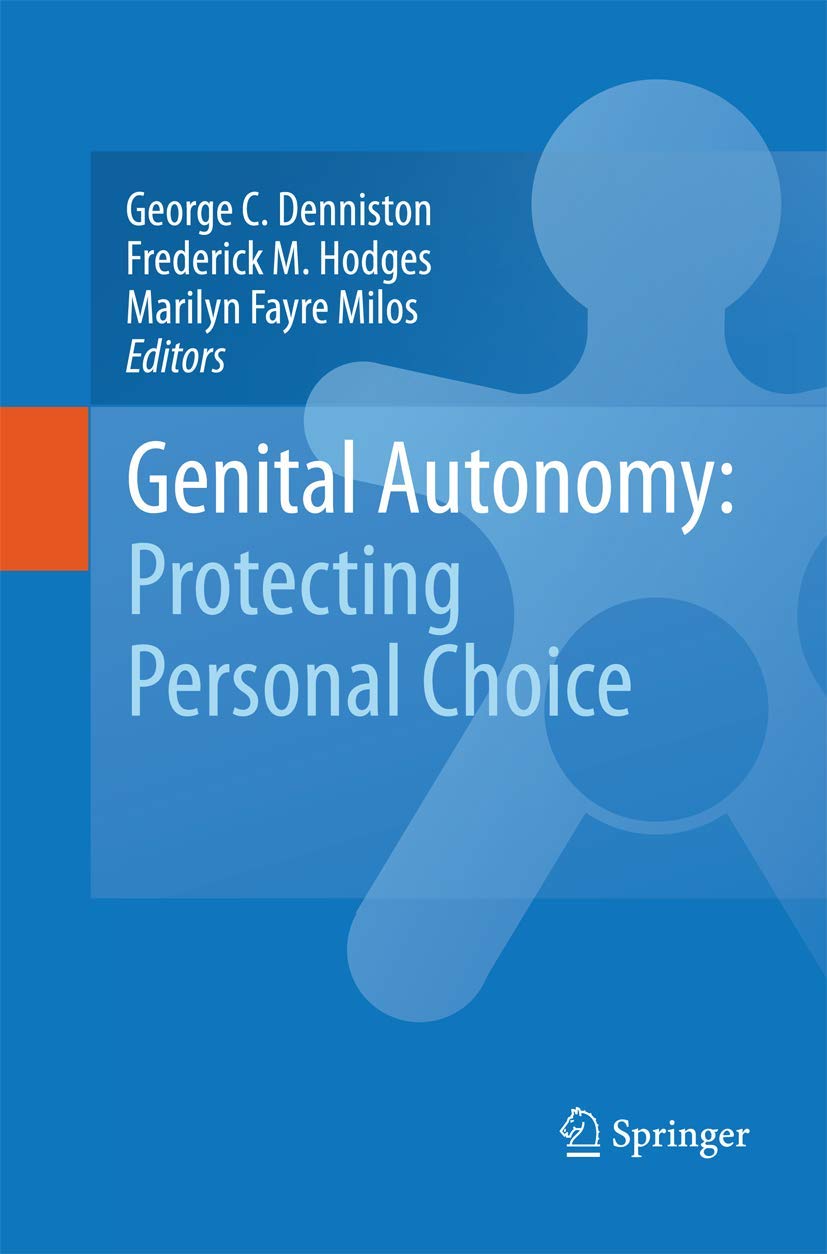
In this review of Genital Autonomy: Protecting Personal Choice the authors assemble a focused examination of circumcision through legal, ethical, and human rights lenses. The book is best for readers who want a rigorous, rights-based argument against involuntary genital alteration and a historical context that places both male and female procedures in a wider social frame. The single biggest reason to read it is its sustained emphasis on individual bodily integrity, making a clear case for why modern law and ethics should reassess long-standing practices.
Key Features
- Comprehensive scope: The book surveys both male and female genital cutting practices and places them side by side to highlight legal and ethical inconsistencies.
- Human rights framing: It explains how modern human rights advances challenge the social tolerance of involuntary genital alteration.
- Interdisciplinary authorship: Contributions from George C. Denniston, Frederick M. Hodges, and Marilyn Fayre Milos bring legal, medical, and ethical perspectives into a single argument.
- Historical context: Readers gain an understanding of how ancient ritual practices persist in contemporary societies and why that persistence matters for law and policy.
- Policy relevance: The text is useful for activists and professionals considering legal reform or public health policy regarding bodily autonomy.
Who It's For
Genital Autonomy is aimed at advocates, legal scholars, public health professionals, and concerned parents seeking an in-depth, rights-oriented analysis of circumcision practices. Those studying medical ethics or social policy will find the book useful for classroom discussion and policy briefs.
Readers looking for a neutral medical handbook or a clinical procedural guide should look elsewhere, as the book focuses on ethical, legal, and human rights arguments rather than surgical detail or clinical recommendations.
Pros & Cons
Pros
- Provides a clear, consistent human rights argument against involuntary genital alteration.
- Combines perspectives from multiple disciplines to strengthen policy-oriented claims.
- Offers historical and social context that helps explain contemporary practice and resistance to change.
Cons
- The book is argument-driven and not a clinical reference, so readers seeking medical procedure detail may find it limited.
Specifications
| Title | Genital Autonomy: Protecting Personal Choice |
| Authors | George C. Denniston; Frederick M. Hodges; Marilyn Fayre Milos |
| Subject focus | Circumcision, ethics, law, human rights |
| Scope | Male and female genital alteration examined comparatively |
| Intended audience | Scholars, advocates, public health and legal professionals |
| Primary argument | Bodily integrity and personal choice should guide policy |
Our Verdict
Genital Autonomy is a persuasive, well-focused book for anyone concerned with the ethics and legality of genital alteration. It is valuable for policy discussions and advocacy because it centers individual bodily integrity and connects historical practice to modern human rights standards. Those seeking clinical instruction should consult medical texts instead, but for legal and ethical debate this book is a strong, worthwhile reference.
Frequently Asked Questions
Does the book discuss both male and female circumcision?
Yes, it addresses both practices and contrasts how each is treated in law and society.
Is this a medical guide?
No, the focus is on ethical, legal, and human rights analysis rather than surgical detail.
Who contributed to the book?
The work includes contributions from George C. Denniston, Frederick M. Hodges, and Marilyn Fayre Milos, offering interdisciplinary perspectives.
Editor's Take
Genital Autonomy is a persuasive, focused book for advocates and professionals interested in the legal and ethical case against involuntary genital alteration, offering valuable historical and human rights context.

Recently viewed
Recently viewed products will appear here as customers browse the store.