

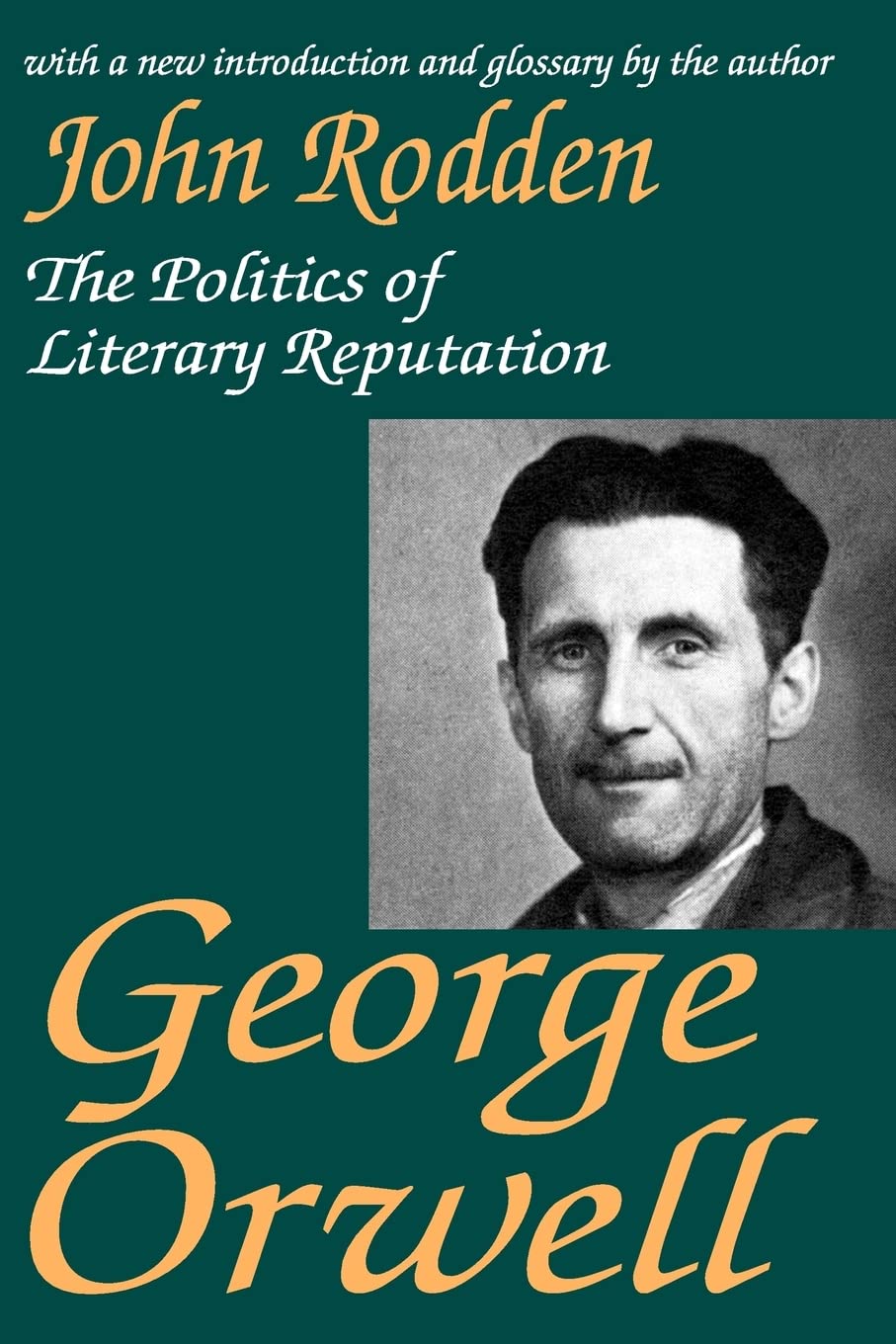
George Orwell: The Politics of Literary Reputation - Critical
George Orwell: The Politics of Literary Reputation - Critical
Price subject to change. Tap below for current.
Couldn't load pickup availability
In this review of George Orwell: The Politics of Literary Reputation the reviewer finds a thoughtful, context-rich study ideal for readers who want to understand how literary reputations are shaped by politics and culture. John Rodden examines Orwell's posthumous career and how competing political interests have claimed his legacy, arguing that reputation tells as much about the claimants as about Orwell himself. This book is best for readers who appreciate literary criticism grounded in historical and intellectual context rather than a simple biographical account.
Key Features
- Contextual analysis: Rodden places Orwell's changing stature within broader political and cultural debates, helping readers see reputation as a social process.
- Focus on ambiguity: The book highlights ambiguities in Orwell's work and how they invite competing interpretations, which clarifies why his legacy remains contested.
- Comparative approach: By comparing modern claimants to Orwell with earlier examples, the author shows patterns in how literary reputations are constructed.
- Clear prose: The writing emphasizes clarity and force, reflecting the very qualities that made Orwell influential and making the argument accessible to non-specialists.
- Critical perspective: Rodden interrogates both literary quality and political motive, offering a balanced account rather than a partisan defense.
Who It's For
This book is well suited to students of literary history, critics, and readers interested in the intersection of politics and literature who want a focused study of how George Orwell's reputation evolved after his death. It will also appeal to scholars who study canon formation or cultural memory and want a case study that illuminates broader processes.
Those looking for a detailed biography of Orwell or a close textual reading of specific novels may want a different book, since Rodden's emphasis is on reputation and reception rather than on day-to-day biography or exhaustive literary exegesis.
Pros & Cons
Pros
- Provides a clear, historically grounded explanation of how political interests shape literary reputations.
- Balances attention to literary quality with scrutiny of the motives behind posthumous claims.
- Uses accessible prose that reflects the clarity associated with Orwell himself, making complex arguments readable.
Cons
- The focus on reputation and posthumous debate means readers seeking a full biographical narrative or close readings of individual texts may find coverage limited.
Specifications
| Title | George Orwell: The Politics of Literary Reputation |
| Author | John Rodden |
| Subject | Literary reputation, reception history, political culture |
| Scope | Examination of Orwell's posthumous career and competing claims |
| Approach | Historical and critical analysis of cultural and political influences |
| Intended audience | Students, critics, and readers of literature and intellectual history |
Our Verdict
John Rodden's study is a valuable, well-argued contribution for anyone interested in how cultural power and politics shape a writer's legacy. It offers clear, evidence-based analysis that makes it good value for students and critics who want to understand Orwell as an intellectual symbol rather than as a straightforward biographical subject.
Frequently Asked Questions
Does this book cover Orwell's novels in detail?
Not primarily; the book focuses on reputation and reception rather than close textual readings of individual novels.
Is this suitable for undergraduate courses?
Yes. Its clear framing and historical approach make it useful for courses on literary history, reception studies, or cultural politics.
Does the author take a political stance on Orwell's legacy?
Rodden analyzes competing claims and motives and emphasizes ambiguities, offering critical perspective more than partisan advocacy.
Editor's Take
John Rodden's study is a well-argued, historically grounded examination of how politics and culture shape George Orwell's reputation, recommended for students and critics interested in reception and intellectual history.

Recently viewed
Recently viewed products will appear here as customers browse the store.