

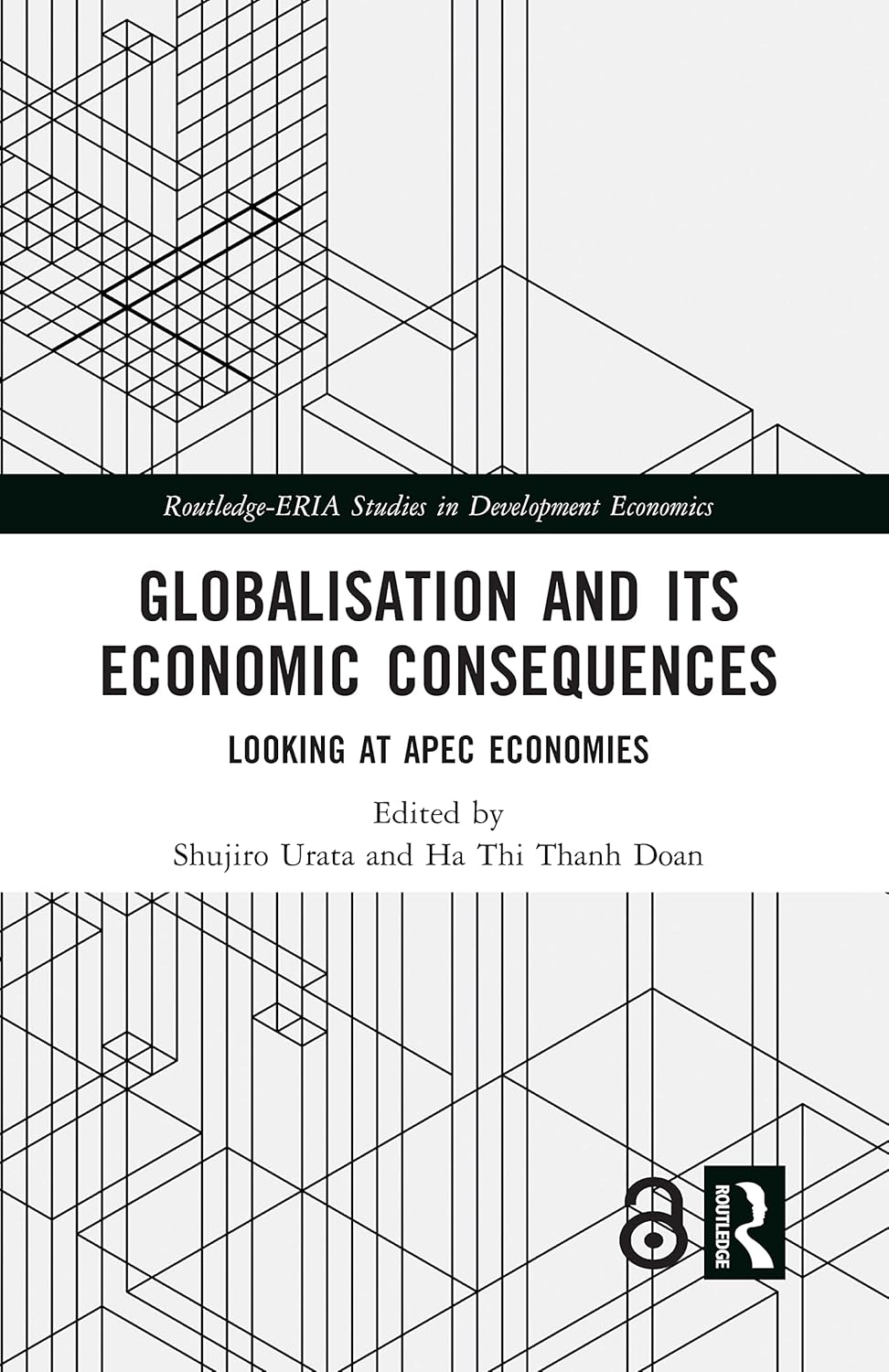
Globalisation and its Economic Consequences - Regional APEC Analysis
Globalisation and its Economic Consequences - Regional APEC Analysis
Price subject to change. Tap below for current.
Couldn't load pickup availability
Our review of Globalisation and its Economic Consequences finds this edited volume most useful for economists, policy makers and advanced students seeking a measured, region-specific assessment of globalisation. The book brings together country studies of eight APEC members and the single biggest reason to buy is its comparative framework, which clarifies why globalisation produced divergent outcomes across Australia, China, Indonesia, Japan, Malaysia, Thailand, the United States and Vietnam. This review highlights the book's balanced synthesis and its practical value for formulating policy informed by empirical mechanisms.
Key Features
- Comparative country focus: The book provides side-by-side analysis of eight APEC economies, making it easier to see patterns and differences in how globalisation affected each country.
- Mechanism-based approach: Chapters identify the specific channels through which globalisation influences growth, trade and labour markets, helping readers translate findings into policy design.
- Literature synthesis: Editors summarise and critique existing academic work, offering a coherent framework that saves readers time when surveying the field.
- Policy relevance: The volume links empirical findings to policy implications, useful for officials and advisers crafting responses to globalisation's challenges.
- Regional breadth: Inclusion of both developed and developing APEC members allows analysis across different stages of economic development and integration.
Who It's For
This book is best for researchers, graduate students and policy makers who need a focused, comparative treatment of globalisation in the Asia-Pacific region. Its country case studies and cross-country synthesis make it especially relevant for those designing trade, labour or industrial policies influenced by international integration.
Readers seeking an introductory primer on basic economic concepts or a global survey beyond the APEC membership may want a broader textbook; this volume assumes some familiarity with economic analysis and concentrates on selected Asia-Pacific economies.
Pros & Cons
Pros
- Clear comparative framing helps spot why outcomes from globalisation differ across APEC members.
- Focus on mechanisms links evidence to practical policy recommendations for governments and institutions.
- Concise synthesis of academic literature provides a useful starting point for further research.
Cons
- Concentrated regional scope means readers wanting a worldwide perspective will need supplementary texts.
Specifications
| Title | Globalisation and its Economic Consequences |
| Series | Routledge-ERIA Studies in Development Economics |
| Editors / Authors | Ha Thi Thanh Doan, Shujiro Urata |
| Regional focus | APEC members: Australia, China, Indonesia, Japan, Malaysia, Thailand, US, Vietnam |
| Approach | Edited volume with literature synthesis and country case studies |
| Audience | Economists, policy makers, graduate students |
Our Verdict
For readers who need a focused, evidence-based comparison of how globalisation shaped selected Asia-Pacific economies, this edited volume offers strong value. Its strength is the cross-country framework and mechanism-oriented analysis, which make it a practical resource for policy work and regional economic research.
Frequently Asked Questions
Does this book cover all APEC countries?
The volume covers eight selected APEC members rather than the entire forum, concentrating on Australia, China, Indonesia, Japan, Malaysia, Thailand, the United States and Vietnam.
Is prior economics knowledge required?
Yes, the book assumes familiarity with economic concepts and is aimed at researchers, policy makers and advanced students rather than casual readers.
Does the book offer policy recommendations?
Yes, chapters link empirical findings to policy implications and explain mechanisms useful for formulating targeted responses to globalisation.
Editor's Take
This edited volume is a focused, mechanism-driven comparison of how globalisation affected eight APEC economies; it is valuable for economists, policy makers and advanced students seeking policy-relevant evidence and cross-country insight.

Recently viewed
Recently viewed products will appear here as customers browse the store.