

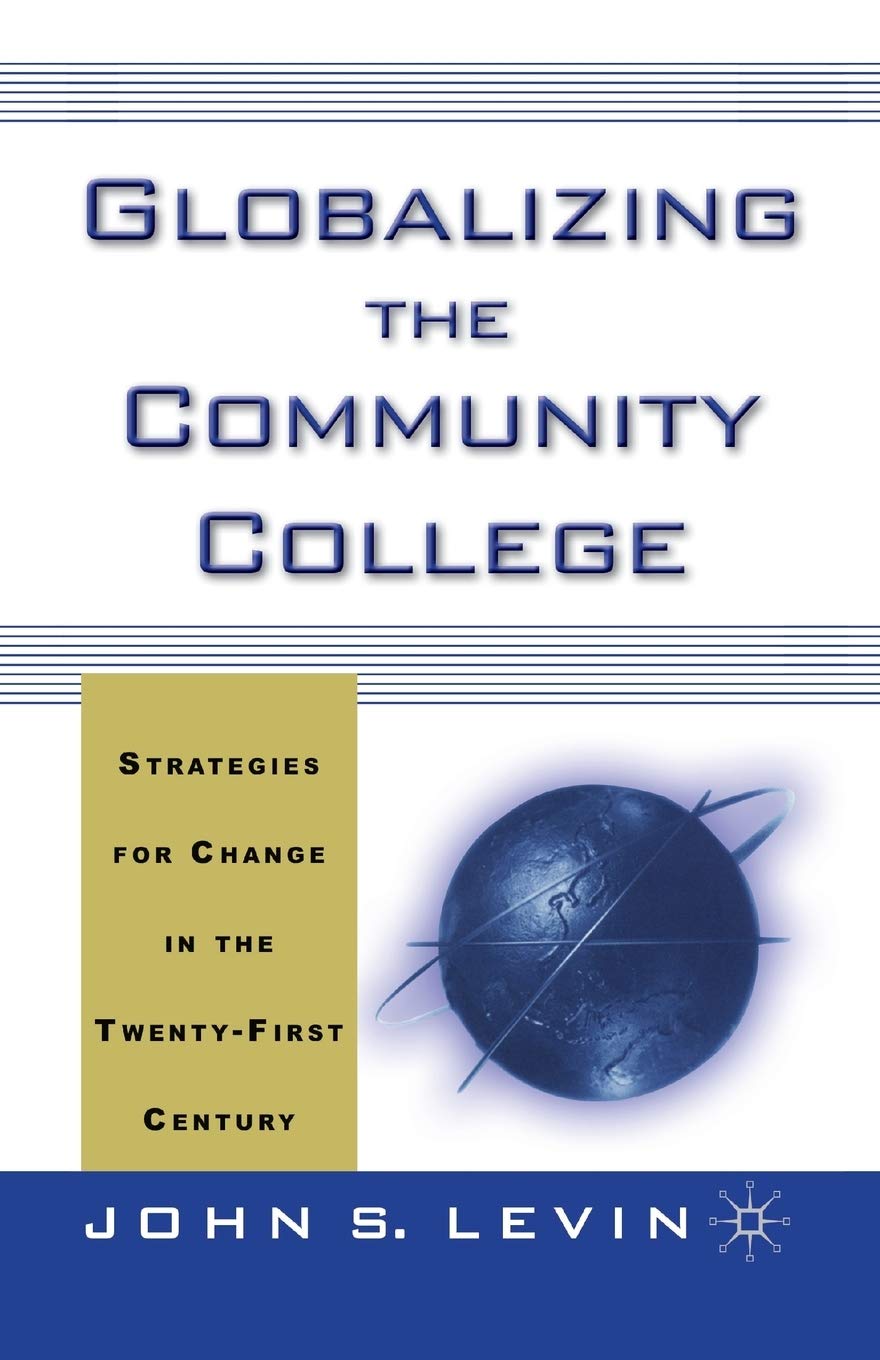
Globalizing the Community College: Strategies for Change
Globalizing the Community College: Strategies for Change
Price subject to change. Tap below for current.
Couldn't load pickup availability
In this review of Globalizing the Community College: Strategies for Change in the Twenty-First Century, the bottom line is clear: this is a focused, academic examination best suited for educators and administrators grappling with institutional responses to globalization. The author studies seven community colleges to show how global economic, cultural, and technological forces have driven organizational change during the 1990s, and the book's greatest strength is its close attention to how local interpretations and government policy shape institutional adaptation. Readers seeking a practical, research-informed perspective on globalization and community college administration will find this review worth considering.
Key Features
- Case study focus: Detailed examinations of seven community colleges provide concrete examples of how institutions responded to global pressures in the 1990s.
- Organizational interpretation: Emphasizes how the perceptions and decisions of college members influenced change, offering insight into internal dynamics.
- Policy context: Explains how government actions guided community colleges to adapt to a growing global economy, useful for administrators tracking policy impact.
- Globalization as process: Treats globalization not as an abstract trend but as a set of economic, cultural, and technological behaviors that manifest within community colleges.
- Historical perspective: Anchors organizational change in the 1990s, providing a timeframe that helps readers compare past shifts with present challenges.
Who It's For
This book is aimed at higher education leaders, policy analysts, faculty involved in institutional planning, and graduate students in education administration who want a research-informed look at how community colleges responded to global forces. The case studies and discussion of organizational interpretation will help planners thinking about policy responses and internal change strategies.
It is less suitable for readers seeking a step-by-step implementation manual, classroom pedagogy guidance, or an up-to-the-minute survey of globalization after the 1990s. Those needing contemporary data or operational how-to guides should look for recent policy briefs or implementation toolkits instead.
Pros & Cons
Pros
- Provides specific case studies that illuminate real organizational responses to globalization.
- Connects government policy to institutional change, clarifying external drivers of adaptation.
- Explores internal interpretation, showing how staff and leadership choices shape outcomes.
Cons
- Material is anchored in the 1990s and does not cover developments beyond that decade, which limits contemporary applicability.
Specifications
| Title | Globalizing the Community College: Strategies for Change in the Twenty-First Century |
| Author / Brand | J. Levin |
| Subject | Community college organizational change and globalization |
| Scope | Case studies of seven community colleges in the 1990s |
| Focus areas | Economic, cultural, and technological aspects of globalization |
| Policy angle | Role of government actions in directing institutional responses |
Our Verdict
Globalizing the Community College is a thoughtful, research-driven resource for administrators and scholars who need case-based insight into how globalization affected community colleges. While its historical framing in the 1990s means readers should supplement it with newer sources for current practice, the book offers good value as a focused study of organizational interpretation and policy influence that still informs institutional strategy discussions.
Frequently Asked Questions
Does this book include case studies?
Yes, it examines seven community colleges to illustrate organizational change related to globalization.
Is it practical for campus leaders?
It is practical as a source of research and strategic insight, though it is not a step-by-step implementation guide.
Does it cover recent globalization trends?
The analysis is centered on the 1990s, so readers should pair it with newer research for post-1990s developments.
Editor's Take
A focused, research-driven study for administrators and scholars examining how seven community colleges adapted to globalization in the 1990s; valuable for strategic insight though not a how-to guide.

Recently viewed
Recently viewed products will appear here as customers browse the store.