

Good Enough Endings: Relational Perspectives on Termination
Good Enough Endings: Relational Perspectives on Termination
Price subject to change. Tap below for current.
Couldn't load pickup availability
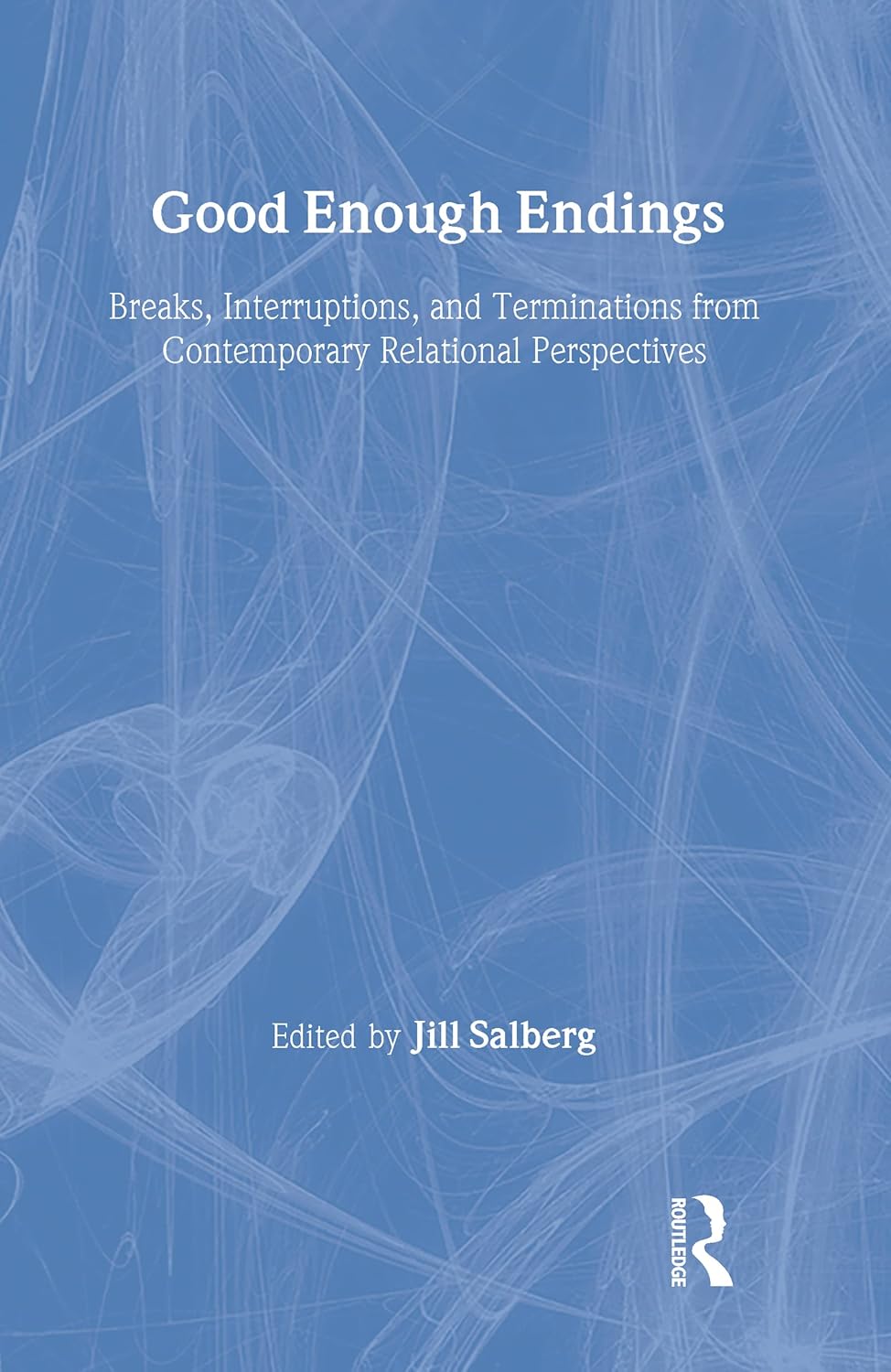
In this review of Good Enough Endings: Breaks, Interruptions, and Terminations from Contemporary Relational Perspectives, the bottom line is clear: clinicians and students working in psychodynamic and relational therapy will find a thoughtful, focused exploration of termination that is missing in much of the literature. The book gathers contemporary voices to ask whether a specifically relational criteria for termination can be articulated and how factors like analyst and patient goals or attachment research shape the end of treatment. For readers seeking practical reflection on endings rather than prescriptive rules, this volume is highly useful.
Key Features
- Relational focus: The collection centers on termination from an intersubjective and coconstructed stance, offering perspectives that move beyond traditional Freudian criteria.
- Multiple contributors: Essays bring together contemporary relational thinkers, providing varied clinical viewpoints and debate rather than a single dogmatic position.
- Engagement with other schools: Chapters explicitly consider how ideas from other psychoanalytic perspectives inform decisions about ending therapy.
- Attachment-informed discussion: The book examines how recent developments in attachment theory and research influence readiness to terminate and post-termination outcomes.
- Focus on goals: Contributors consider how differing treatment goals between analyst and patient affect timing and process of termination, highlighting practical ethical concerns.
Who It's For
This book is best for practicing clinicians, advanced trainees, and graduate students who already have grounding in psychoanalytic and relational concepts and want a concentrated examination of endings in therapy. It suits readers who prefer reflective essays and clinical argumentation over step-by-step manuals and who are comfortable with theoretical nuance.
Those seeking a quick how-to guide for termination procedures, or readers wanting a text heavy on empirical trials and quantitative outcome data, should look elsewhere; this volume emphasizes clinical thought, theory integration, and conversation among practitioners rather than standardized protocols.
Pros & Cons
Pros
- Provides a rare focused treatment of termination from contemporary relational perspectives, filling an important gap in the literature.
- Includes diverse viewpoints, encouraging readers to consider multiple clinical approaches to endings.
- Connects clinical practice with attachment research, offering up-to-date theoretical context for decisions about ending treatment.
Cons
- The format of essays can be theoretical and discursive, which may frustrate readers seeking concrete step-by-step guidance.
Specifications
| Title | Good Enough Endings: Breaks, Interruptions, and Terminations from Contemporary Relational Perspectives |
| Series | Relational Perspectives Book Series |
| Editor / Brand | Jill Salberg |
| Content focus | Termination, rupture, and endings in relational psychoanalysis |
| Approach | Contemporary relational with engagement of other psychoanalytic perspectives |
| Topics included | Relational criteria for termination, analyst/patient goals, attachment theory |
Our Verdict
Good Enough Endings is a valuable collection for clinicians and advanced students who want a reflective, theory-rich inquiry into how and when therapy ends. It is particularly good value for those who appreciate multiple clinical voices and integration with attachment ideas, though readers who need procedural checklists should supplement it with more pragmatic resources.
Frequently Asked Questions
Does the book offer a single definitive criterion for termination?
Answer. No single definitive criterion is imposed; contributors explore whether a relational paradigm can be articulated and present varied positions for clinical consideration.
Is the content empirical or theoretical?
Answer. The volume is primarily theoretical and clinical, engaging recent attachment research but focusing on clinical argument and perspective rather than controlled trials.
Who edited the collection?
Answer. The book is edited under the direction of Jill Salberg as part of the Relational Perspectives Book Series.
Editor's Take
Good Enough Endings is a thoughtful collection for clinicians and advanced students, offering theory-rich, attachment-informed perspectives on termination that fill an important gap, though it is not a procedural how-to guide.

Recently viewed
Recently viewed products will appear here as customers browse the store.