

Governing Transboundary Waters - In-depth Indigenous Leadership
Governing Transboundary Waters - In-depth Indigenous Leadership
Price subject to change. Tap below for current.
Couldn't load pickup availability
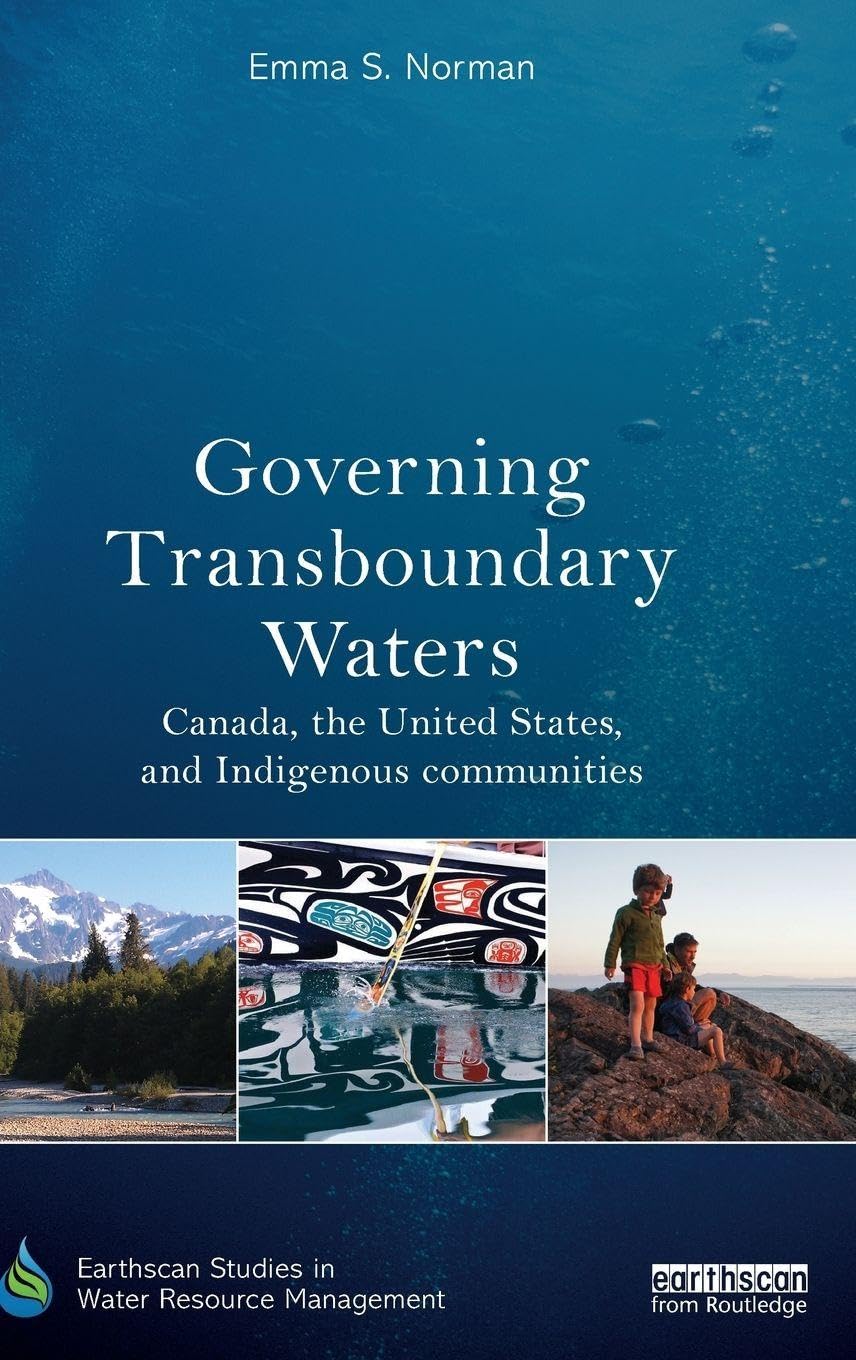
In this review of Governing Transboundary Waters the reviewer finds a focused, research-driven examination of cross-border water governance that will matter to scholars, policymakers, and Indigenous community leaders. Emma S. Norman frames the Canada-US border as a detailed case study and foregrounds the political role of First Nations and Native Americans, making the book most valuable for readers interested in Indigenous sovereignty, environmental policy, and practical governance approaches. The single biggest reason to buy is the book's sustained emphasis on the "third sovereign" perspective, which shifts common narratives about transboundary water management.
Key Features
- Case study focus: The Canada-US border is examined in depth, offering concrete examples of how transboundary governance plays out in practice for policymakers and researchers.
- Indigenous leadership emphasis: The inclusion of First Nations and Native American perspectives clarifies how Indigenous actors influence institutional arrangements and negotiations.
- Political geography lens: Norman uses political geography concepts to show why water governance is inherently political across borders.
- Policy relevance: The analysis links theory to practice, helping readers consider real governance options and cooperative mechanisms.
- Award recognition: The book won the Julian Minghi Distinguished Book Award, signaling peer recognition within political geography.
Who It's For
This book is best for graduate students, academics, and professional policymakers who need a thoughtful, regionally grounded account of transboundary water governance. Lawyers, water managers, and Indigenous leaders looking for scholarly framing of cross-border disputes will find the material directly relevant to negotiation and institutional design.
Readers seeking a how-to field manual, a broad global survey across many basins, or a textbook with step-by-step procedural templates should look elsewhere; Norman's work is analytical and case-based rather than a practical operations guide.
Pros & Cons
Pros
- Highlights Indigenous leadership in transboundary water issues, offering perspectives often missing from mainstream policy studies.
- Grounded Canada-US case study provides rich, context-specific examples readers can learn from.
- Combines political geography theory with policy discussion, helping bridge academic and applied audiences.
Cons
- The focus on one border means readers wanting a global comparative survey may find the scope limited.
Specifications
| Title | Governing Transboundary Waters (Earthscan Studies in Water Resource Management) |
| Author | Emma S. Norman |
| Primary focus | Canada-US border case study |
| Key theme | Indigenous leadership in water governance |
| Award | Julian Minghi Distinguished Book Award (2015) |
| Series | Earthscan Studies in Water Resource Management |
Our Verdict
Governing Transboundary Waters is a valuable, well-argued work for those who want an in-depth look at how Indigenous actors shape cross-border water politics. It is good value for academics and policymakers seeking a case-driven analysis that elevates the "third sovereign" perspective and connects political geography to real governance challenges.
Frequently Asked Questions
Does this book focus on a single border?
Yes. The analysis centers on the Canada-US border as a detailed case study of transboundary water governance.
Is Indigenous leadership a major topic?
Yes. The book emphasizes the role of First Nations and Native American actors as central to governance discussions.
Is this a practical how-to guide?
No. The book is analytical and scholarly rather than a step-by-step operational manual.
Editor's Take
Governing Transboundary Waters offers a focused, case-based analysis highlighting Indigenous leadership across the Canada-US border, making it essential for academics and policymakers seeking a political geography perspective on cross-border water governance.

Recently viewed
Recently viewed products will appear here as customers browse the store.