

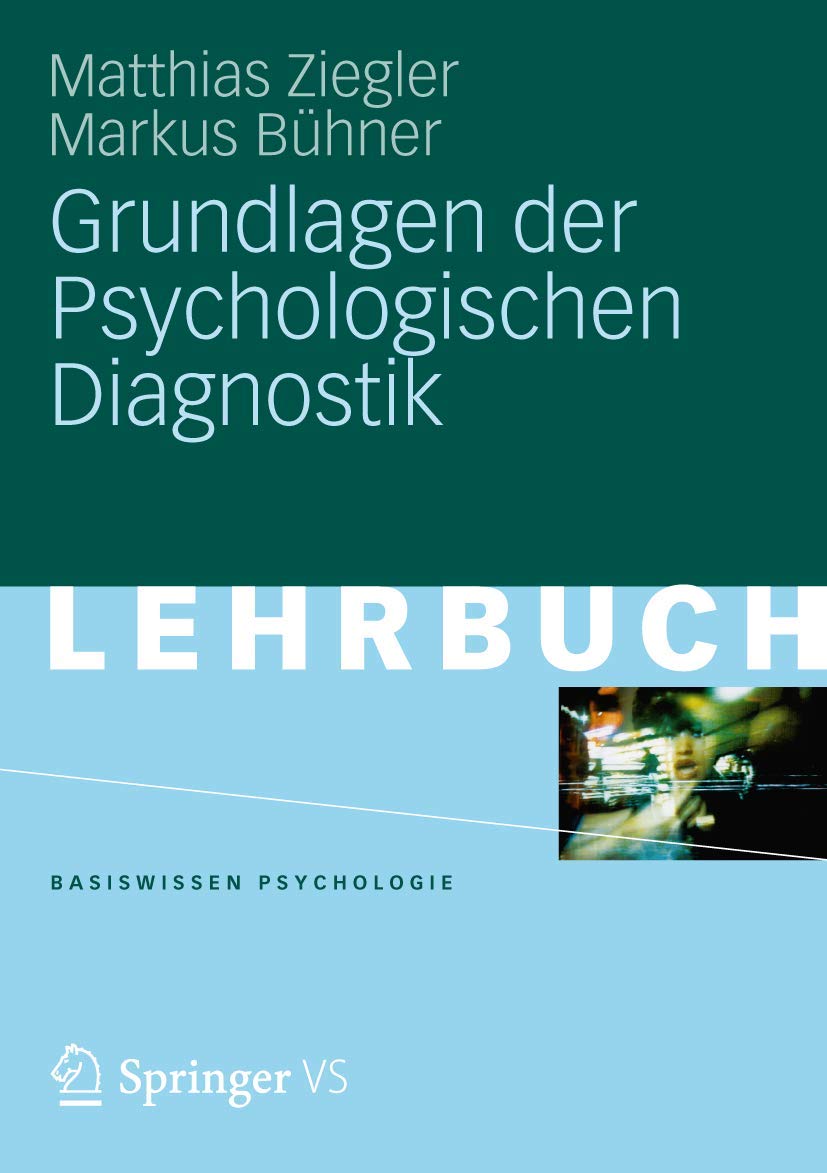
Grundlagen der Psychologischen Diagnostik - Klarer Einstieg fur
Grundlagen der Psychologischen Diagnostik - Klarer Einstieg fur
Price subject to change. Tap below for current.
Couldn't load pickup availability
In this review of Grundlagen der Psychologischen Diagnostik the authors provide a clear, classroom-ready introduction suited for psychology students and practitioners seeking a structured overview. The book's biggest strength is its step-by-step walkthrough of the diagnostic process, using a continuous applied example from Eignungsdiagnostik to connect theory with practice; this makes it a practical guide rather than a purely theoretical text. Readers will appreciate the accessible language and the focus on how a diagnostic question becomes a professional report.
Key Features
- Structured diagnostic process: The book follows the diagnostic workflow from initial question to psychological report, helping readers grasp each stage in sequence.
- Applied example throughout: A recurring Eignungsdiagnostik case ties chapters together so theoretical points are demonstrated in a realistic context.
- Clear presentation: Concepts are explained in an understandable and orderly manner, which supports learning and classroom use.
- Theoretical essentials: Core theoretical knowledge is presented step by step so readers can build a reliable foundation for further study.
- Practical focus: Emphasis on application makes the material relevant for students preparing for internships or practical assessments.
Who It's For
Grundlagen der Psychologischen Diagnostik is best for undergraduate psychology students, trainee diagnosticians, and professionals who need a concise refresher on the diagnostic workflow. In particular, those studying counseling, personnel selection, or clinical basics will find the applied example helpful for translating concepts into practice.
It is less suitable for readers seeking advanced psychometric methodology, exhaustive test manuals, or highly technical statistical treatments; specialists requiring deep measurement theory or primary research articles should look for more advanced texts.
Pros & Cons
Pros
- Provides a coherent, stepwise presentation of the diagnostic process that aids comprehension.
- The ongoing Eignungsdiagnostik example enhances transfer from theory to practice.
- Written in accessible language, making it appropriate for students and newcomers.
Cons
- Does not replace specialized texts when detailed psychometric procedures or advanced statistics are required.
Specifications
| Title | Grundlagen der Psychologischen Diagnostik (Basiswissen Psychologie) |
| Language | German |
| Authors / Brand | Matthias Ziegler, Markus Buhner |
| Scope | Introduction to psychological diagnostic process with applied example |
| Use case | Study, teaching, practical transfer in Eignungsdiagnostik |
| Approach | Theoretical essentials presented step by step |
Our Verdict
Grundlagen der Psychologischen Diagnostik is a well-organized introductory text that delivers practical value for students and practitioners who need a reliable overview of the diagnostic workflow. Its continuous applied example and clear explanations make it good value for learning foundational skills, while specialists should supplement it with more technical references.
Frequently Asked Questions
Is this book suitable for beginners?
Yes. The text is designed as an introduction and explains the diagnostic process in an accessible, stepwise manner.
Does it include practical examples?
Yes. A recurring example from Eignungsdiagnostik runs through the chapters to illustrate application.
Will it teach advanced psychometrics?
No. It covers theoretical essentials and process, but not in-depth psychometric or statistical procedures.
Editor's Take
A clear, structured introduction to the psychological diagnostic process that uses a continuous applied example for practical learning; well suited to students and trainees who need a reliable foundation.

Recently viewed
Recently viewed products will appear here as customers browse the store.