Guide to Methodology in Ergonomics for Enhanced User Experience
Guide to Methodology in Ergonomics for Enhanced User Experience
Price subject to change. Tap below for current.
Couldn't load pickup availability
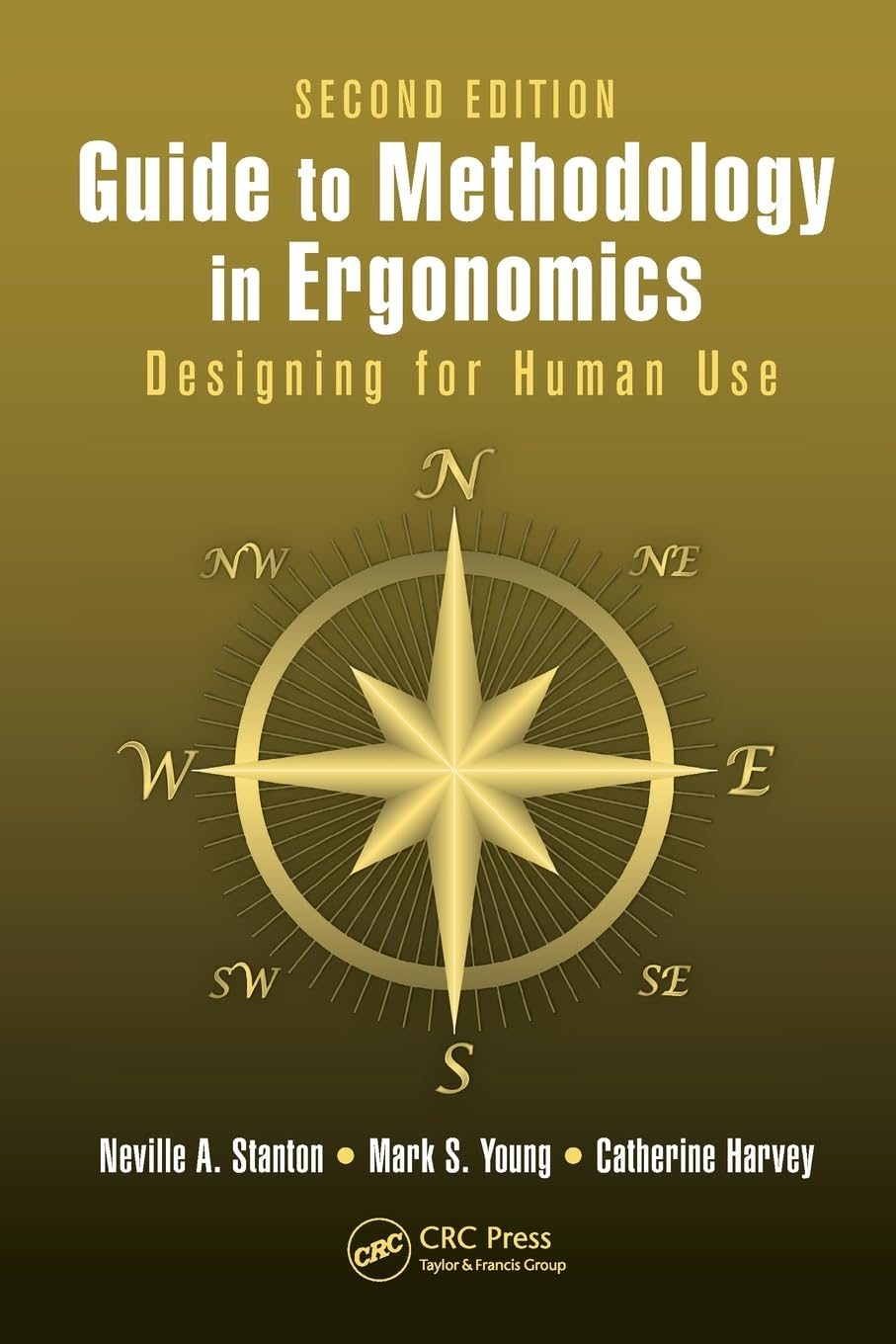
The Guide to Methodology in Ergonomics is an essential resource for professionals and students alike who are interested in the field of ergonomics. This comprehensive guide offers a detailed exploration of the methodologies used in ergonomics, making it a valuable addition to any library. The authors, Neville Stanton, Mark S. Young, and Catherine Harvey, bring their extensive expertise to the table, ensuring that readers receive the most accurate and relevant information.
One of the standout features of this guide is its focus on practical applications. The methodologies in ergonomics discussed are not just theoretical; they are grounded in real-world scenarios that practitioners encounter daily. This practical approach makes it easier for readers to understand how to apply these methodologies in their own work environments.
The book is structured in a way that allows for easy navigation through various topics. Each chapter delves into different aspects of ergonomics, from basic principles to advanced techniques. The inclusion of case studies and examples enhances the learning experience, making complex concepts more accessible. Readers will appreciate the clear explanations and the logical flow of information throughout the text.
Another highlight of the Guide to Methodology in Ergonomics is its emphasis on user-centered design. The authors stress the importance of considering the end-user in every aspect of ergonomic design. This focus on the user not only improves the effectiveness of ergonomic solutions but also enhances overall satisfaction and productivity in the workplace.
Additionally, the guide addresses the latest trends and technologies in the field. As ergonomics continues to evolve, it is crucial for professionals to stay updated on new methodologies and tools. This book provides insights into emerging practices and how they can be integrated into existing frameworks, ensuring that readers remain at the forefront of the field.
For those involved in research, the methodology in ergonomics section offers valuable guidance on how to conduct studies effectively. The authors outline best practices for data collection, analysis, and interpretation, making it easier for researchers to contribute meaningful findings to the field.
In conclusion, the Guide to Methodology in Ergonomics is a must-have for anyone serious about understanding and applying ergonomic principles. Its blend of theory and practice, along with a user-centered approach, makes it an indispensable tool for improving workplace design and enhancing user experience. Whether you are a student, a researcher, or a practicing professional, this guide will equip you with the knowledge and skills needed to excel in the field of ergonomics.
Share